Radical Honesty
Text / self-portraiture / public life
2026
Radical Honesty is an attempt to understand what happens when openness stops working as protection.
For a long time, I treated exposure as a kind of armour. If the most personal material had already been shown, spoken, posted, or made visible, then it seemed harder for anyone to use it against me.
Freedom territories
I often return to places and situations where ordinary judgement loosens for a while. A room, a party, a beach, a platform, a private archive, a performance, a small constructed territory where the sentence “this is allowed” becomes believable.
These territories had their own logic. Inside them the body could be louder, stranger, less apologetic. The voice could become direct. The image could become excessive. What mattered was the feeling that, for a while, this was allowed.
The problem appeared later. Openness did not end the conflict. It produced another one. What had been shown still had to be lived with, explained, defended, remembered, and sometimes repaired.
The central paradox
Radical honesty can feel like freedom. It can also become a system of self-exposure that only works while the world stays quiet. The personal material is shouted out, but the listener is expected to remain silent, admiring, neutral, or safely distant.
As soon as the world answers, the structure changes. A comment, a label, a moral reading, a private message, a careless interpretation: the exposed material starts moving away from me. It becomes something another person can hold, simplify, repeat, or use.
This is where the paradox becomes visible. I wanted to show everything and remain protected. I wanted the force of exposure without the consequences of being seen by other people.
Exoskeleton
There were periods when alcohol, drugs, role-play, sexual performance, and online writing worked as an exoskeleton. They made action possible. They lowered inhibition. They gave the body a temporary structure strong enough to do the thing before I had fully understood why I needed to do it.
But an exoskeleton is not the same as a form. It can produce movement, risk, speed, provocation, and a huge amount of material. It does not automatically produce meaning. It does not make the material displayable. It does not teach the work how to survive contact with other people.
This is one of the reasons I went to art school. I already had images, stories, archives, and experience. What I did not have was a stable way to turn them into work that could be shown without collapsing into confession, defence, or private chaos.
The repeating mechanism
The pattern became clearer over time. First there is anxiety or pressure: something has to be said, shown, published, or enacted. Then the exoskeleton appears: a substance, a role, a platform, a sexual scenario, a performance mode, a private permission structure.
Then comes the breakthrough: the image is posted, the manifesto is written, the body is shown, the truth is told. After that comes the hit. Someone answers. Someone interprets. Someone makes the material smaller than it felt from the inside.
The aggressive response follows quickly: block the person, burn the bridge, destroy the connection, protect the territory. Then guilt accumulates. The cycle waits until the next impulse.
From exposure to contact
The question now is how to move from exposure to contact. Exposure can be one-sided. Contact requires another person to exist without becoming an enemy, a judge, or a silent audience. It requires the work to withstand being received.
For me, this is where artistic practice begins to differ from oversharing. The same material can remain destructive if it is only thrown outward. It can also become a form of thought, a structure, an image, a conversation, a way of living with the archive without being trapped inside it.
Radical Honesty is part of that movement. It does not try to clean the material. It tries to make it thinkable, speakable, and capable of remaining in the room after the first shock has passed.
Works
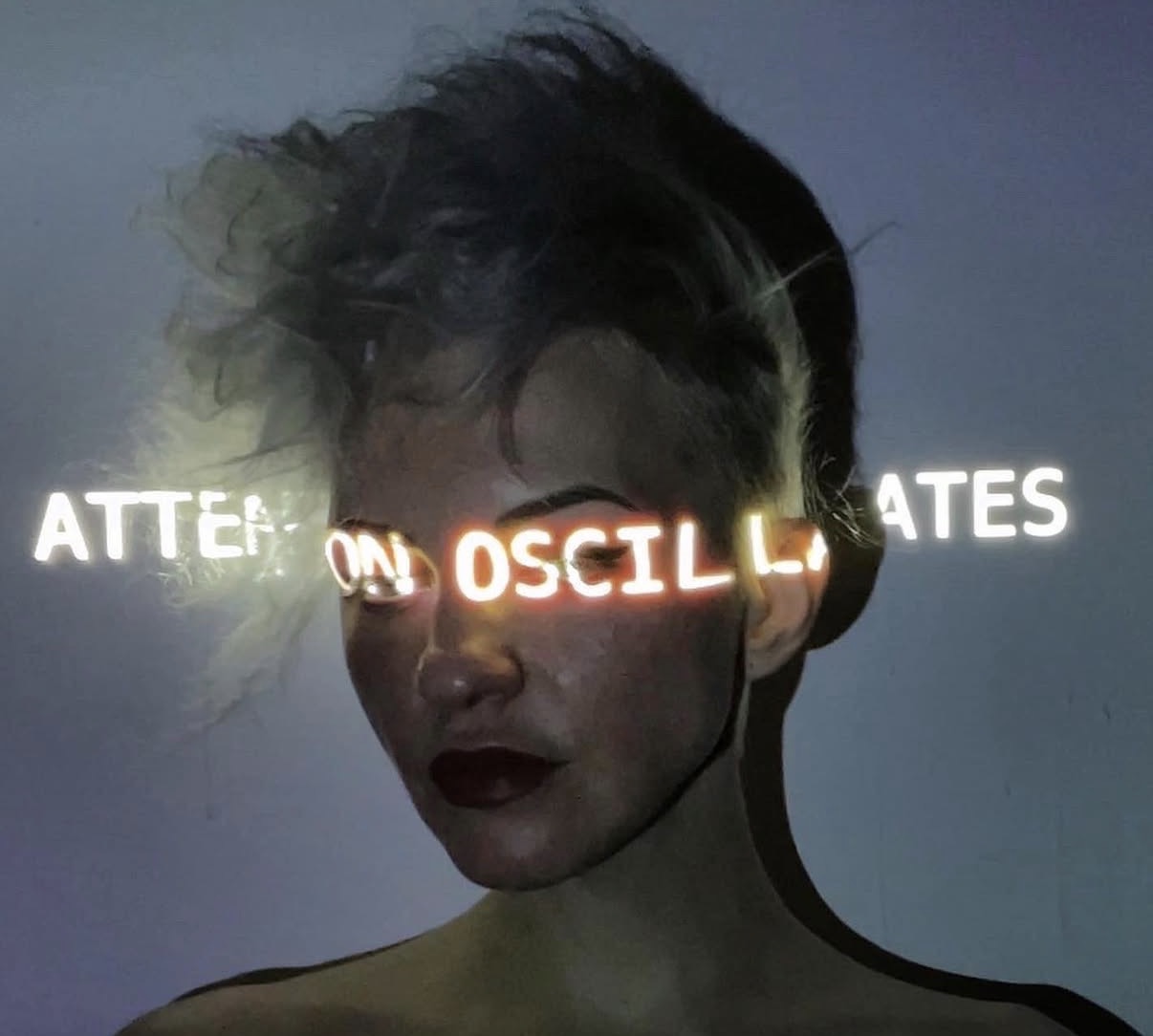
Performance still
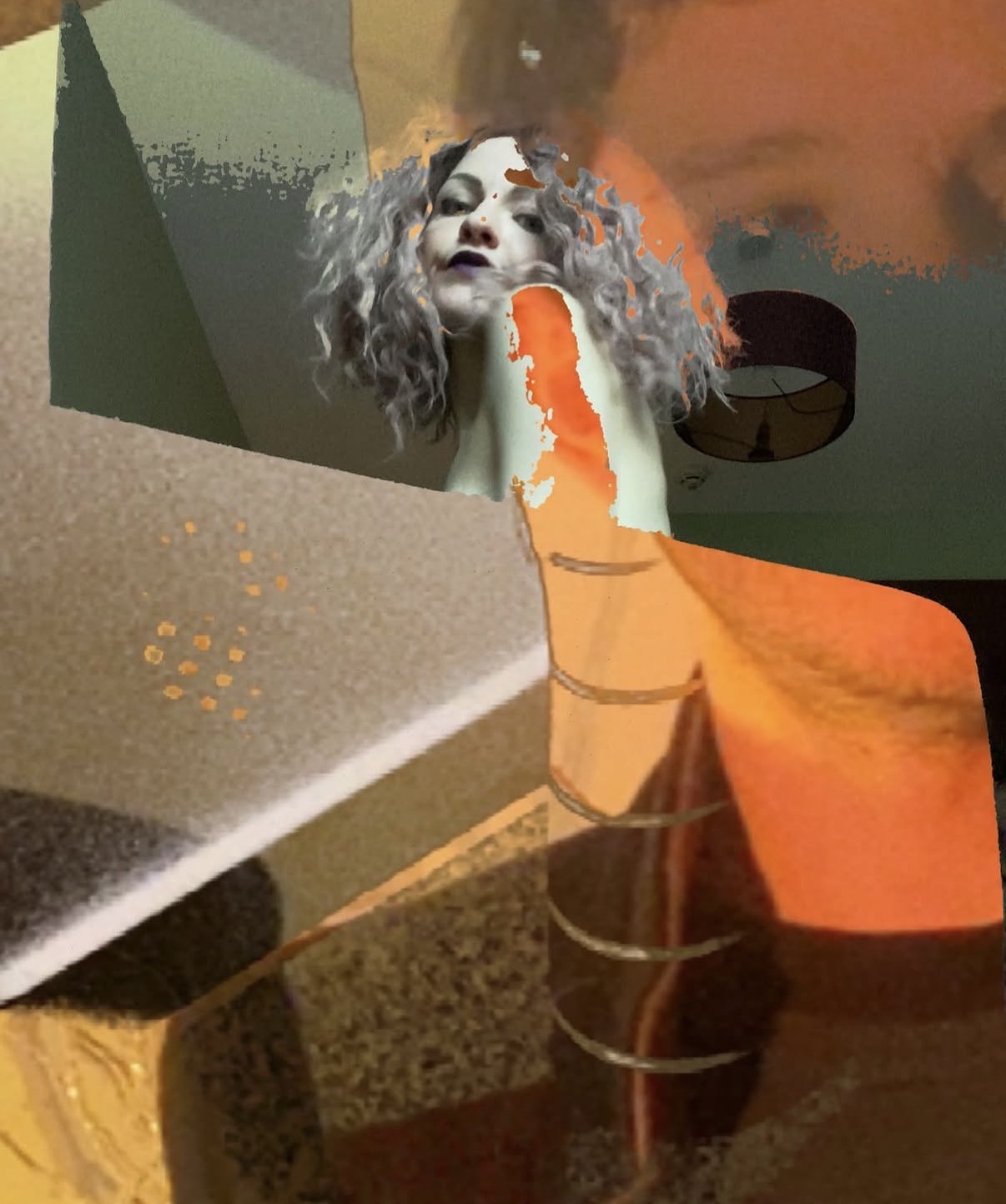
Digital image
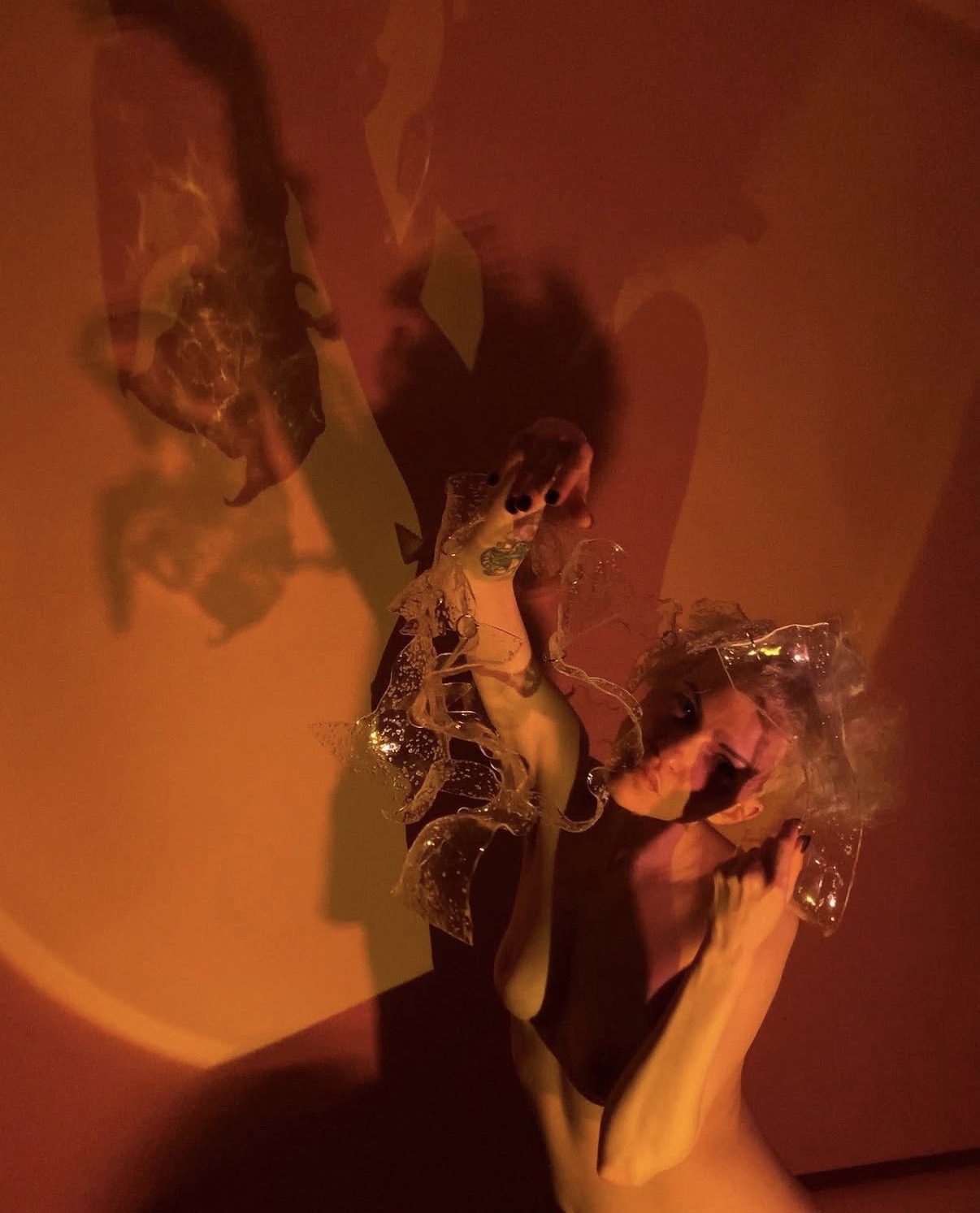
Self-Portrait with Melted Glass
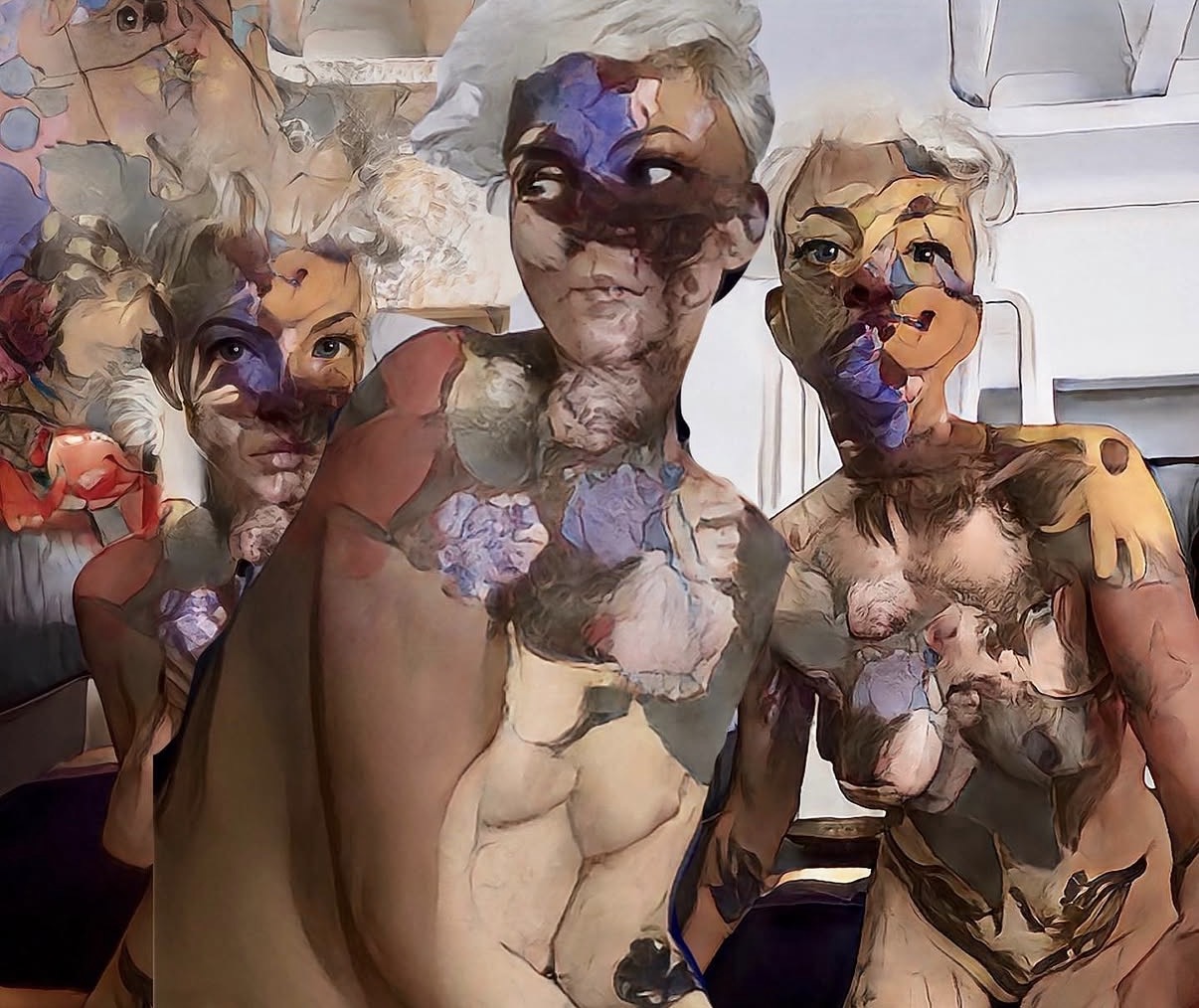
Self-Portrait as a Small Crowd
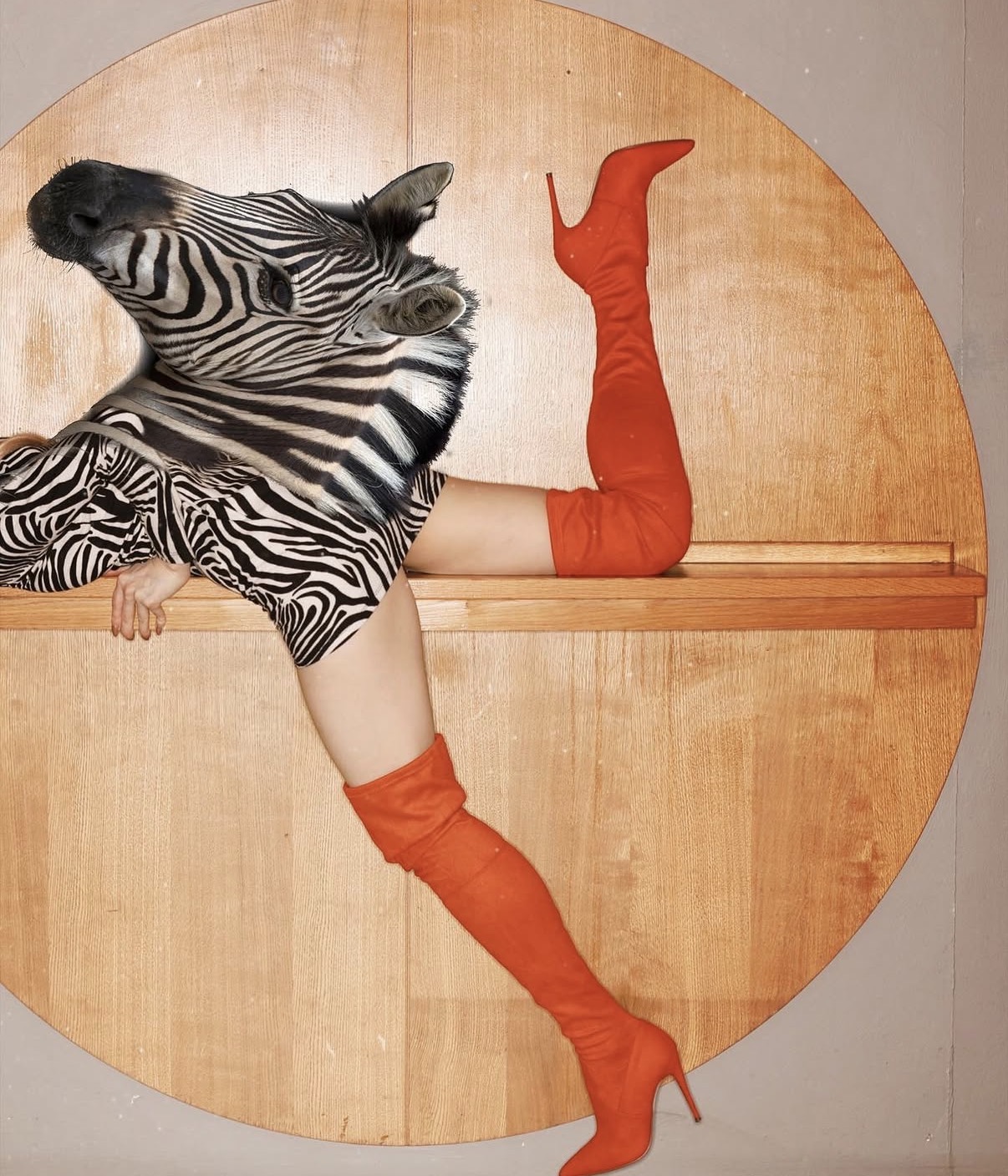
A Parlour for Metamorphosis
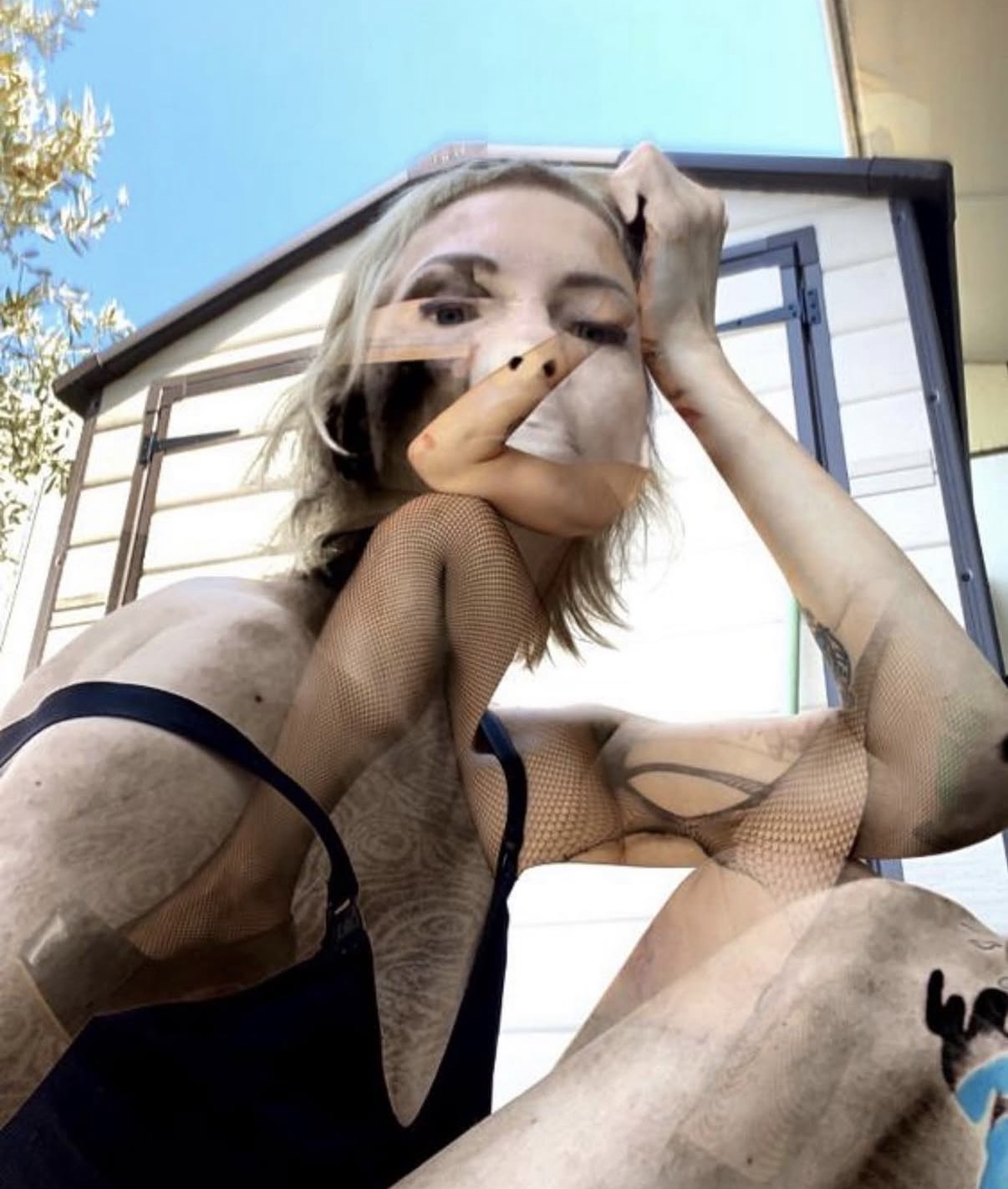
The Evidence of a Vanishing Woman
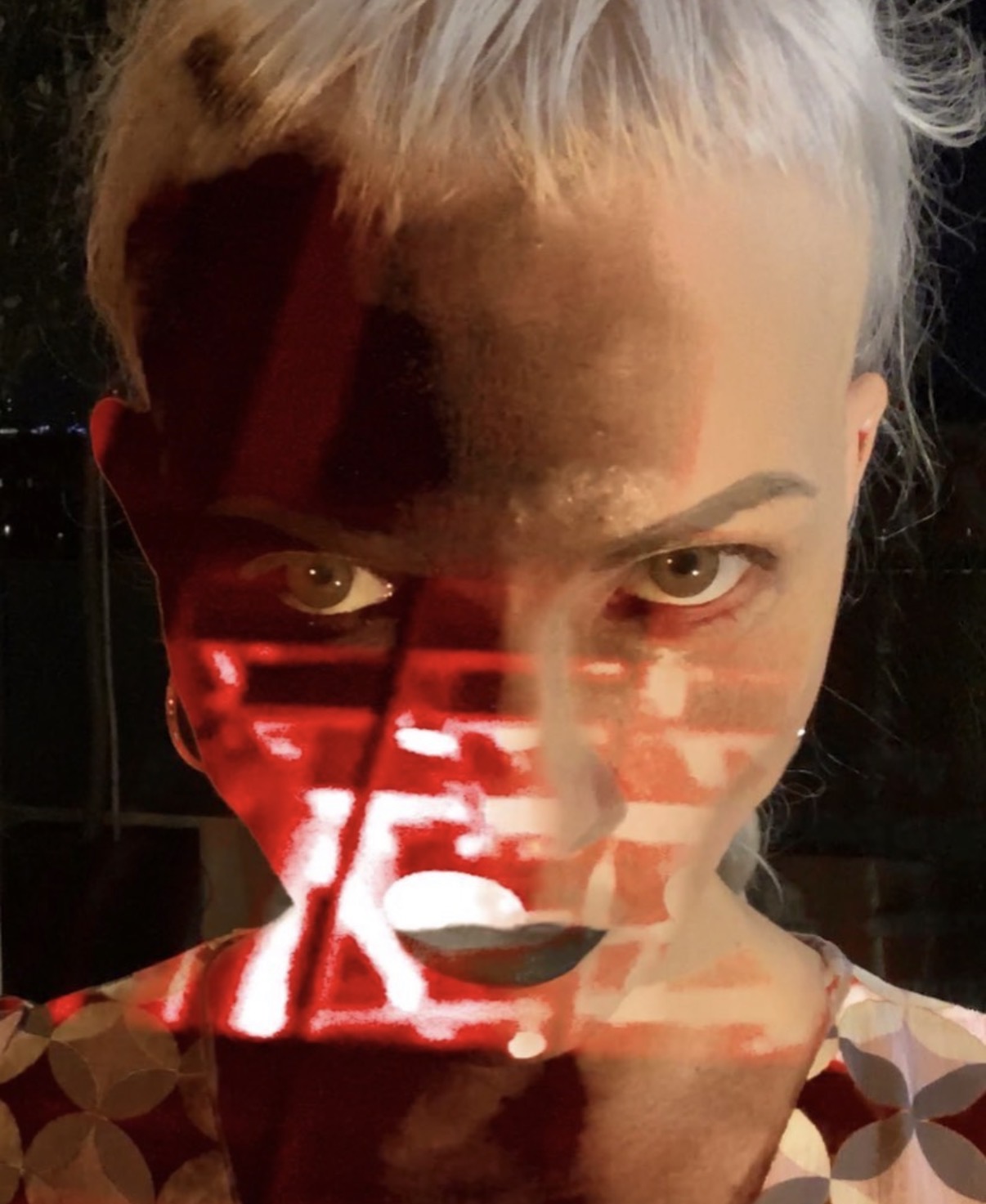
Red
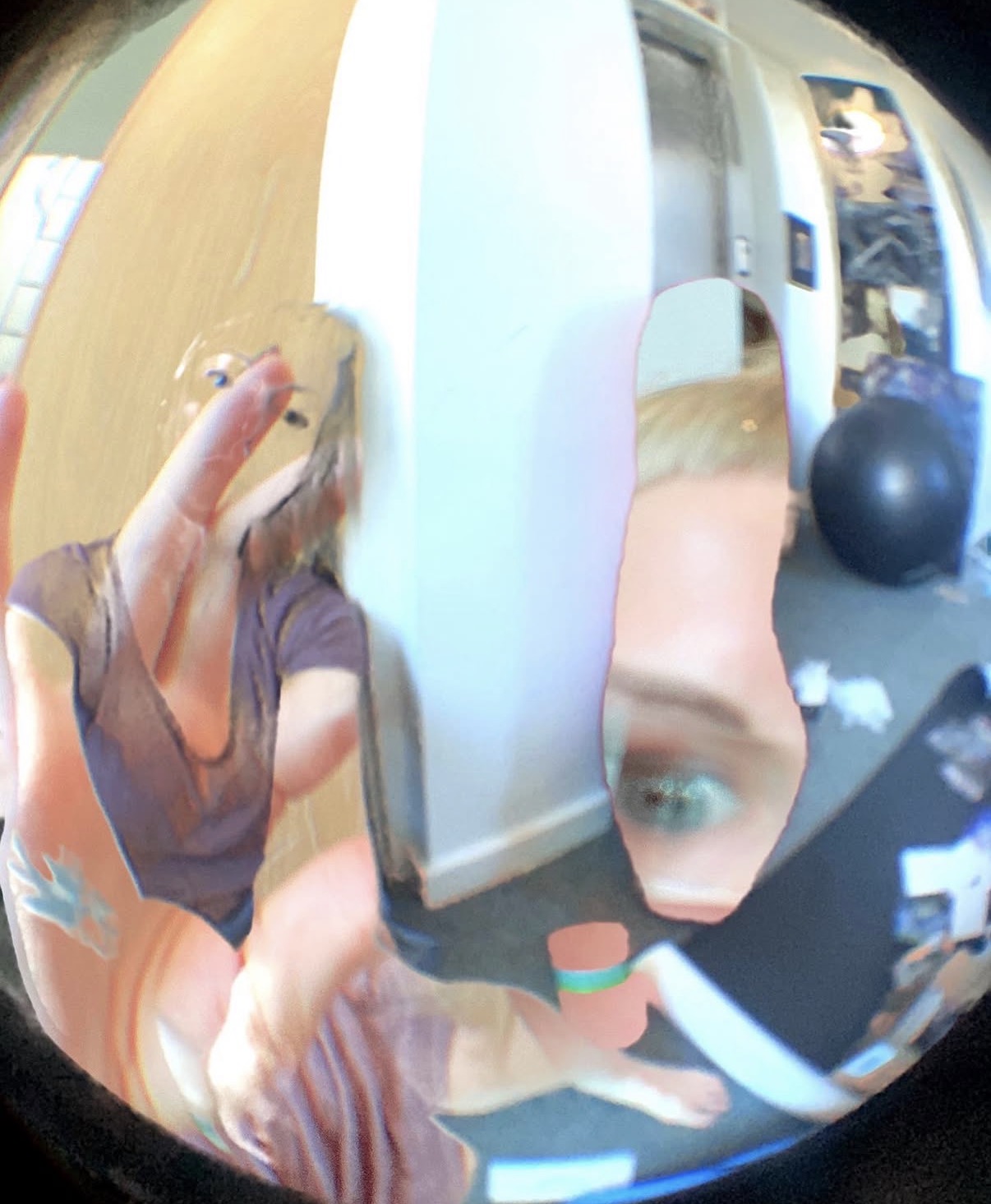
At the End of the Corridor
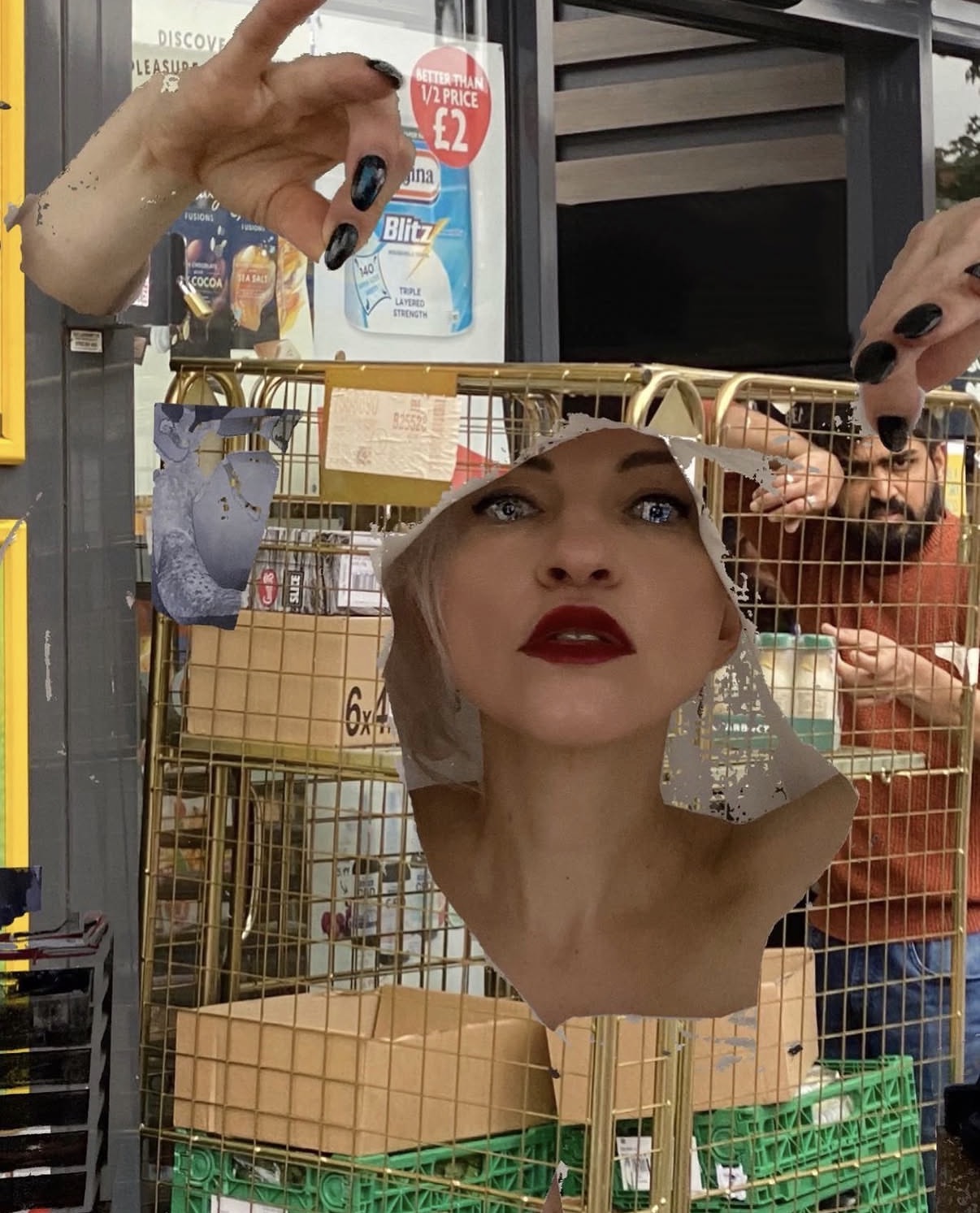
Digital image
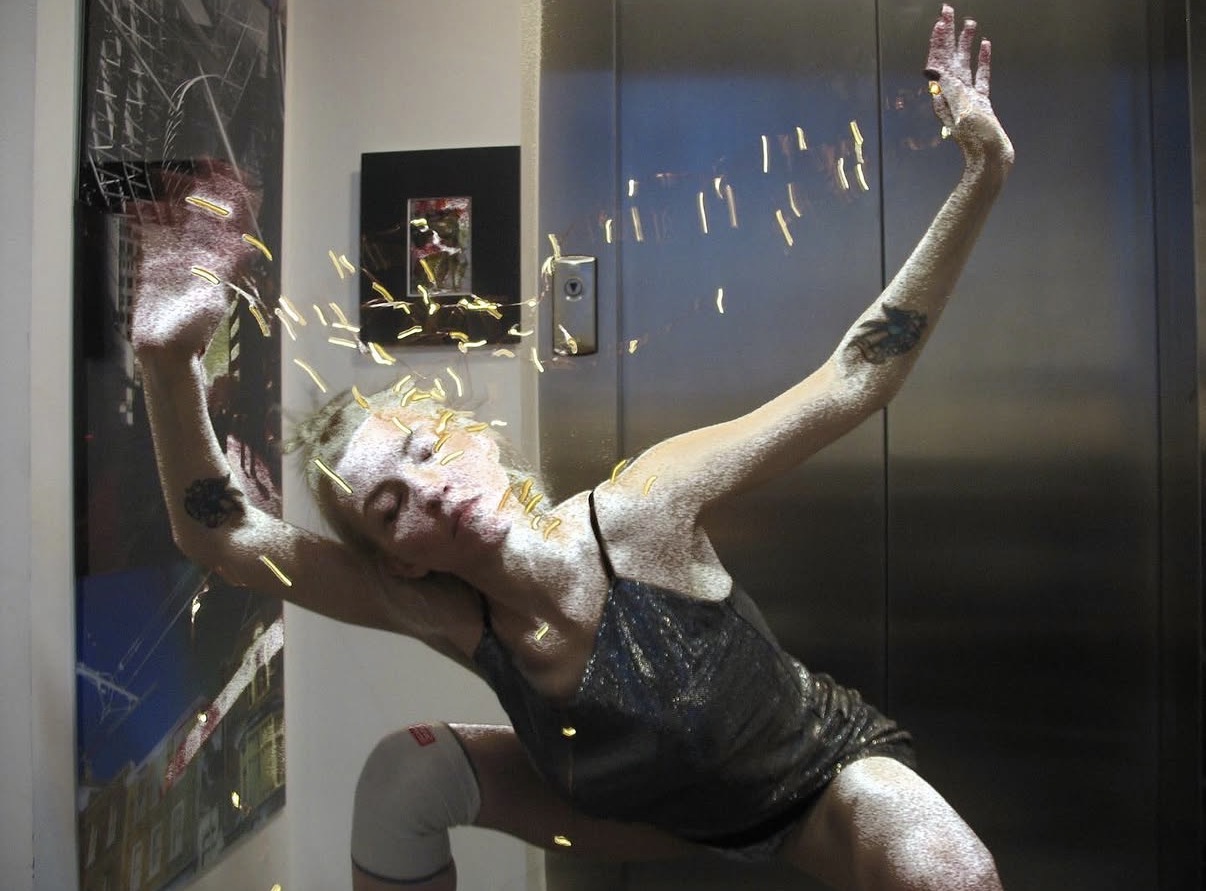
Mechanical Grace
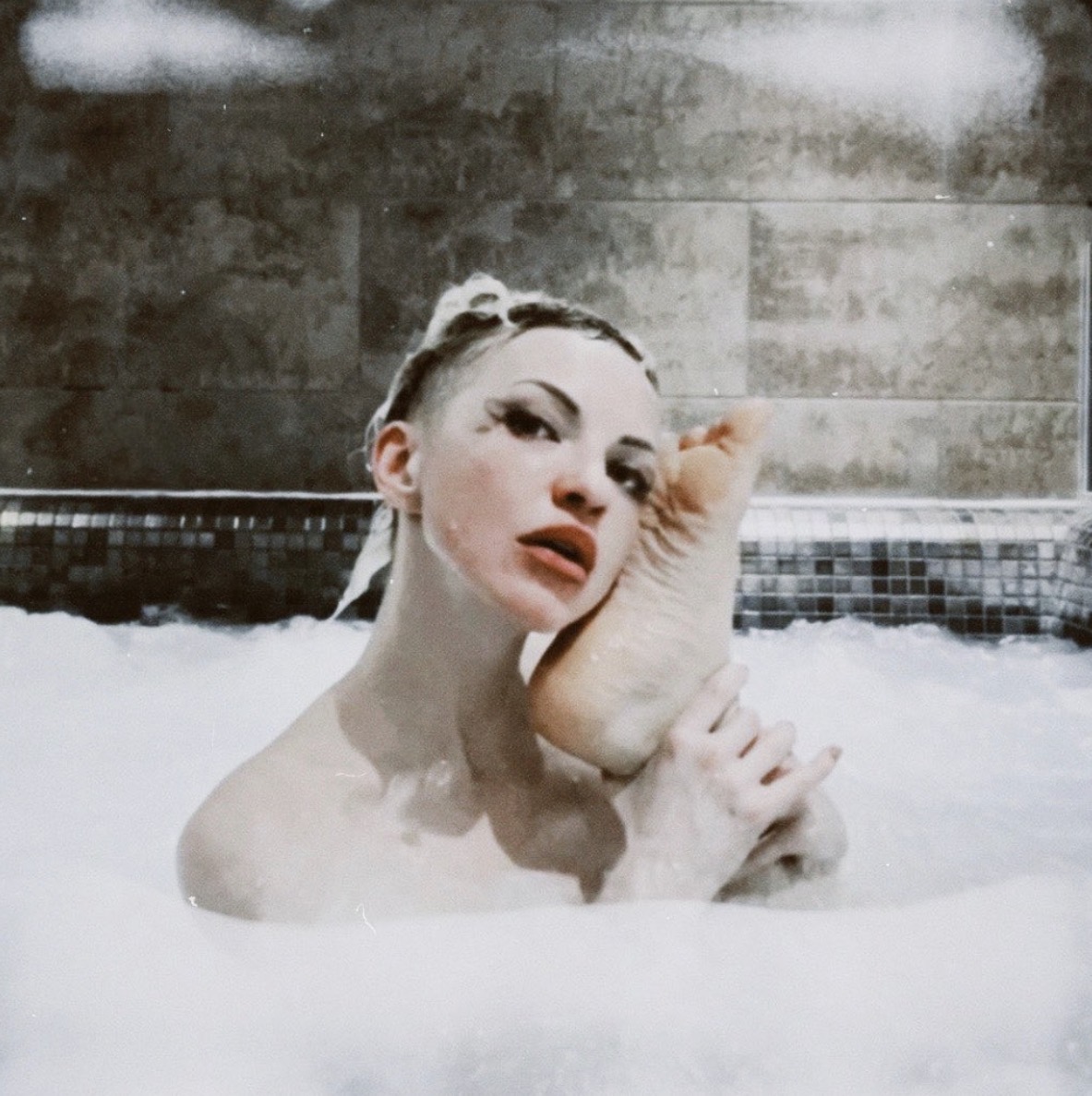
Digital image
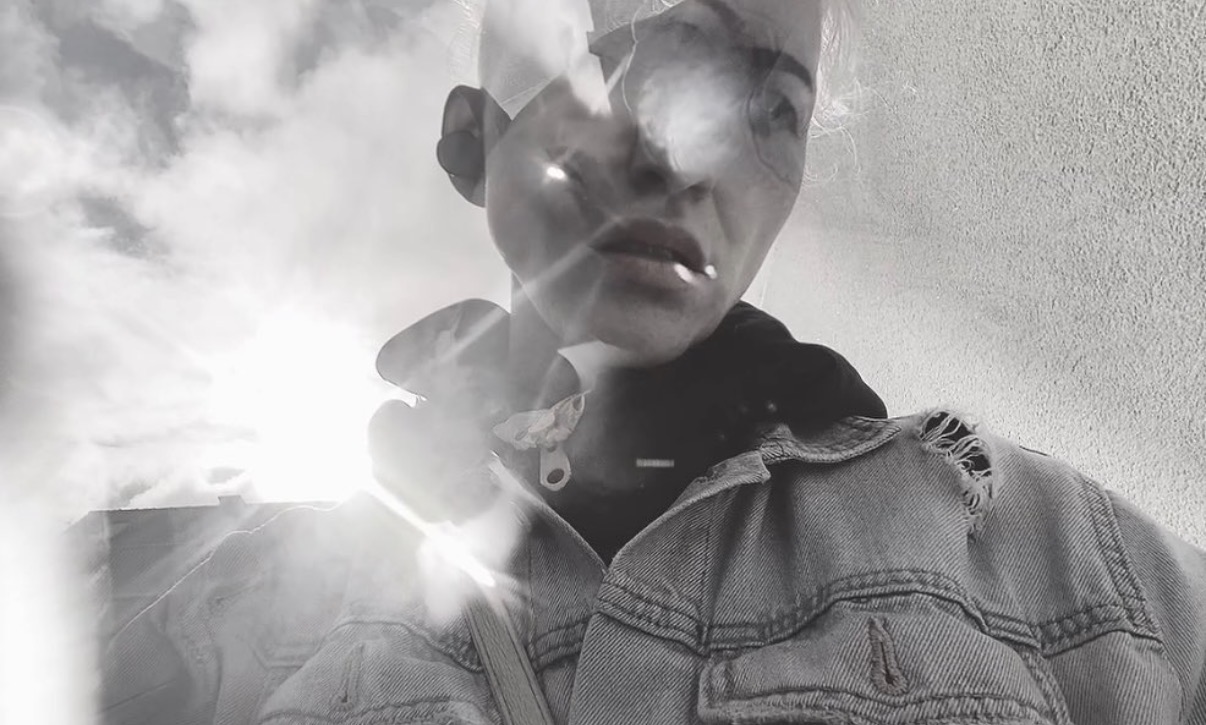
The light kept part of the face for itself.