Generative Photography
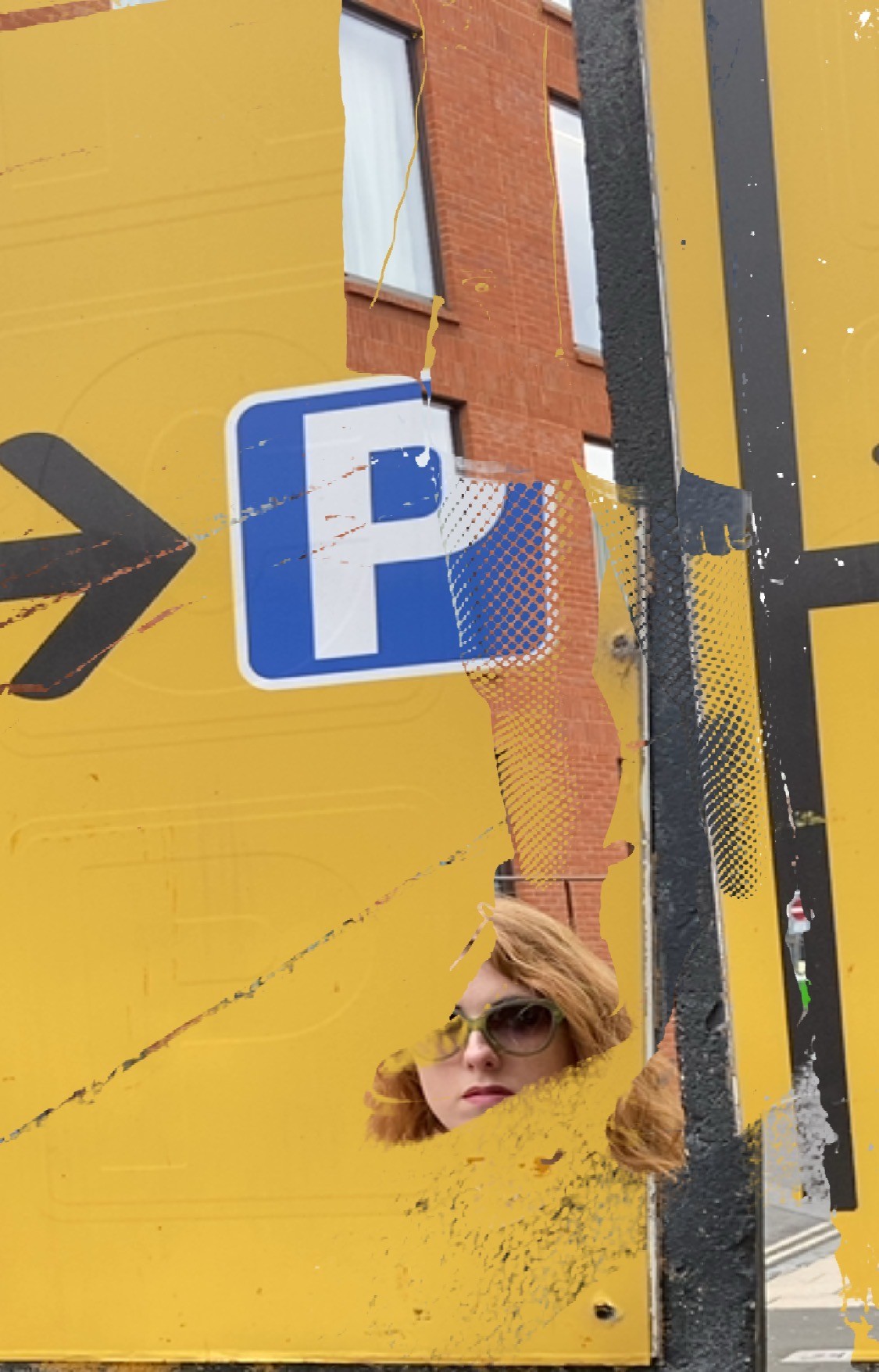
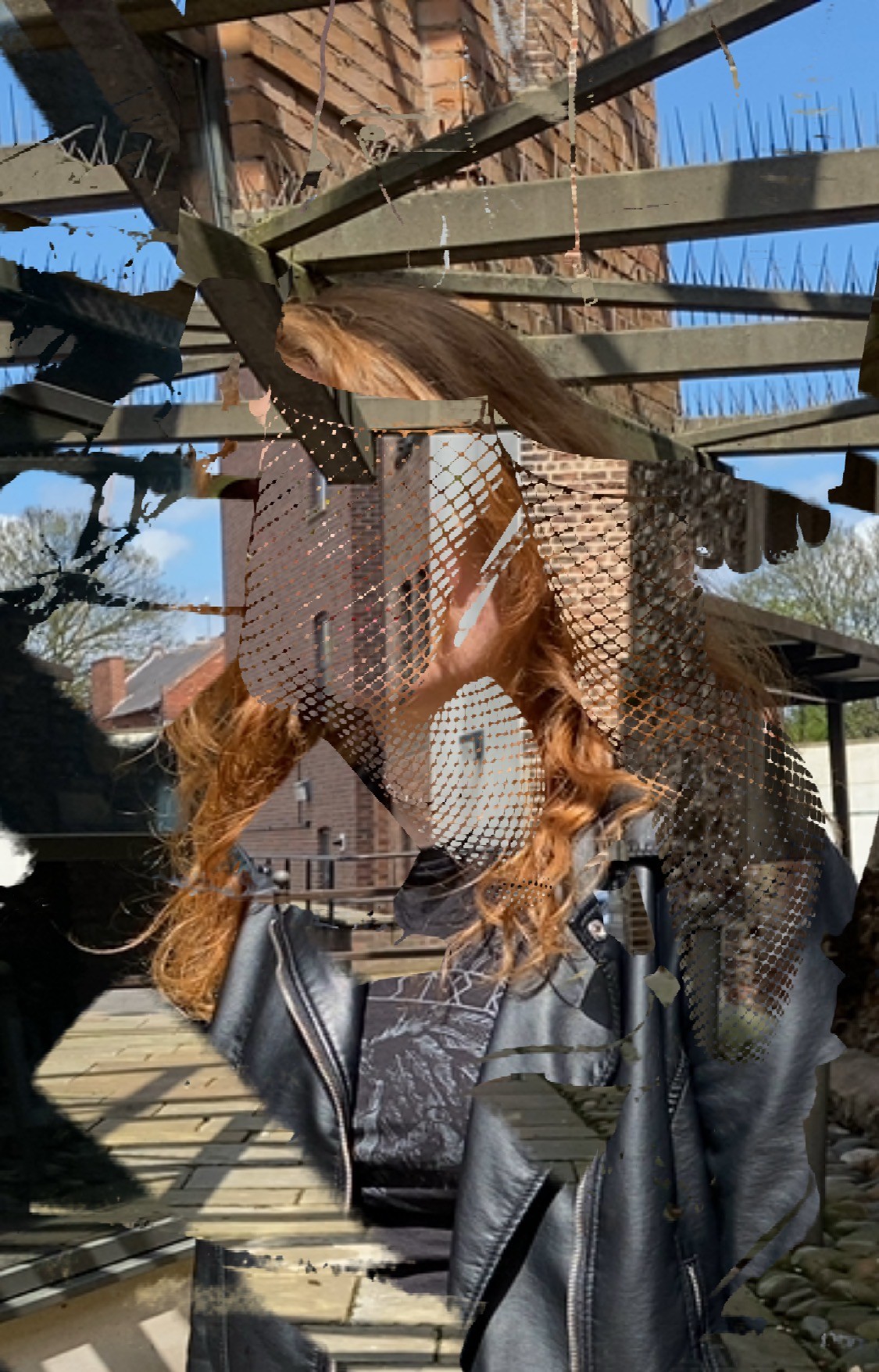
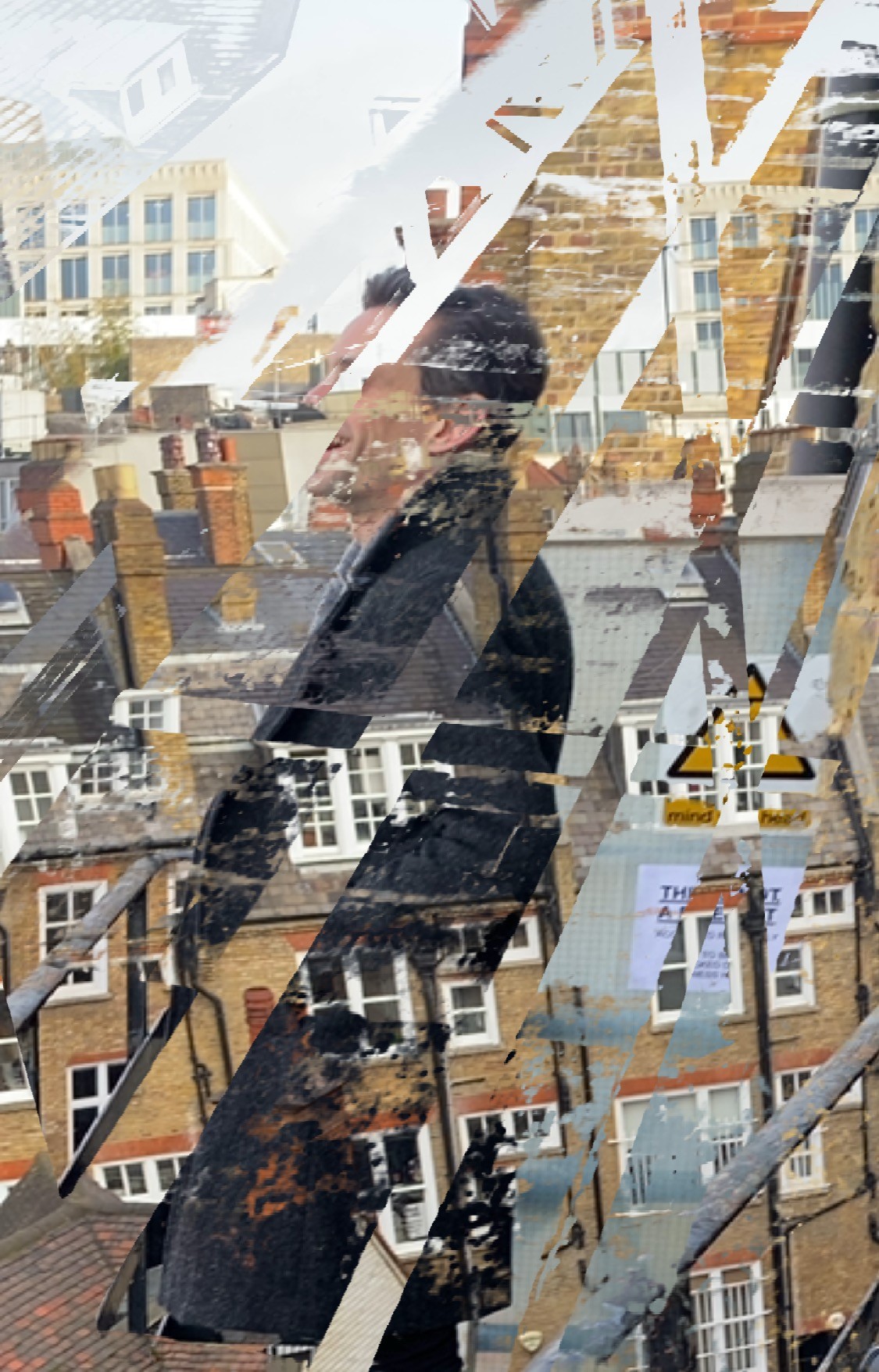
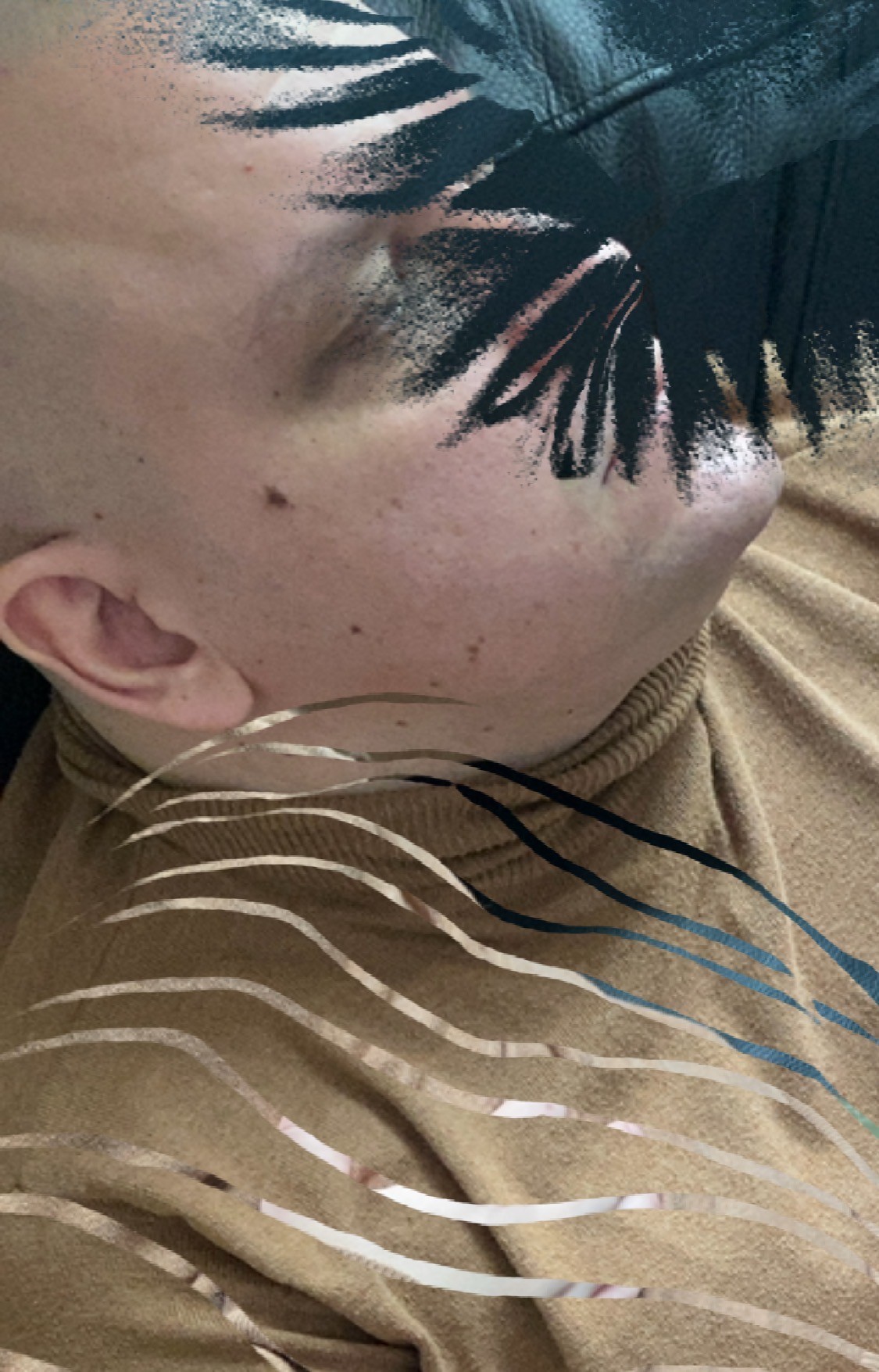
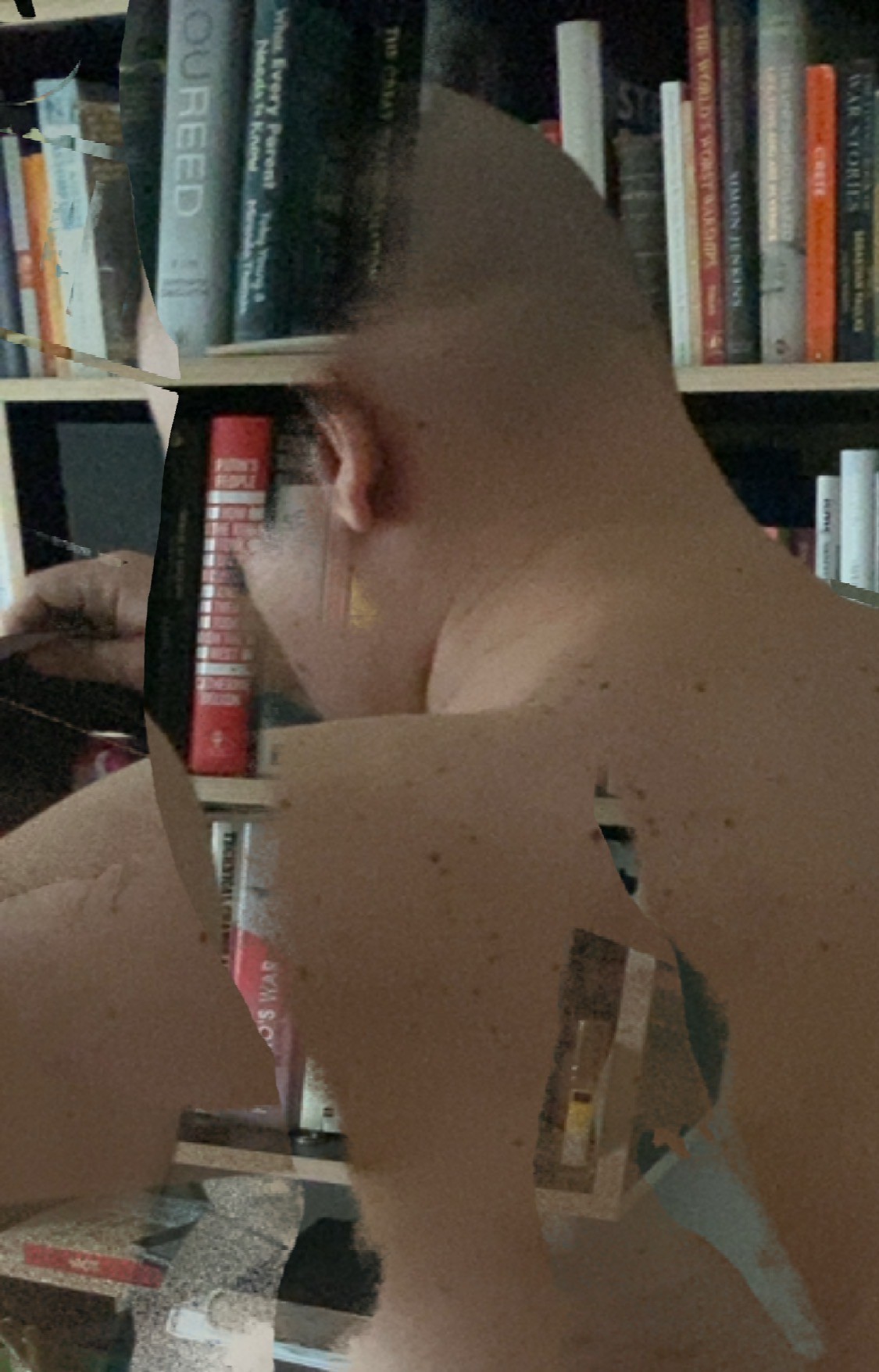
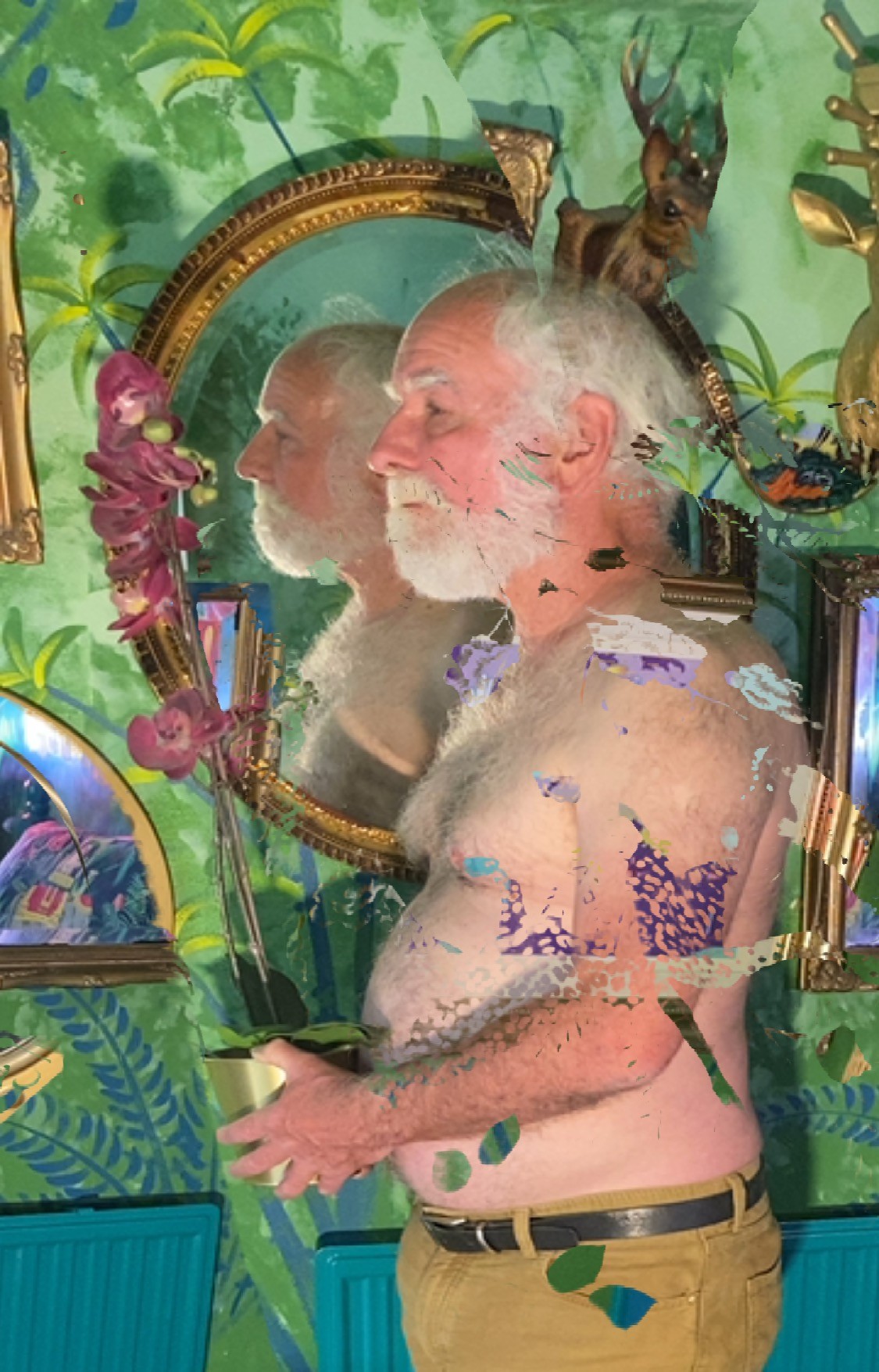
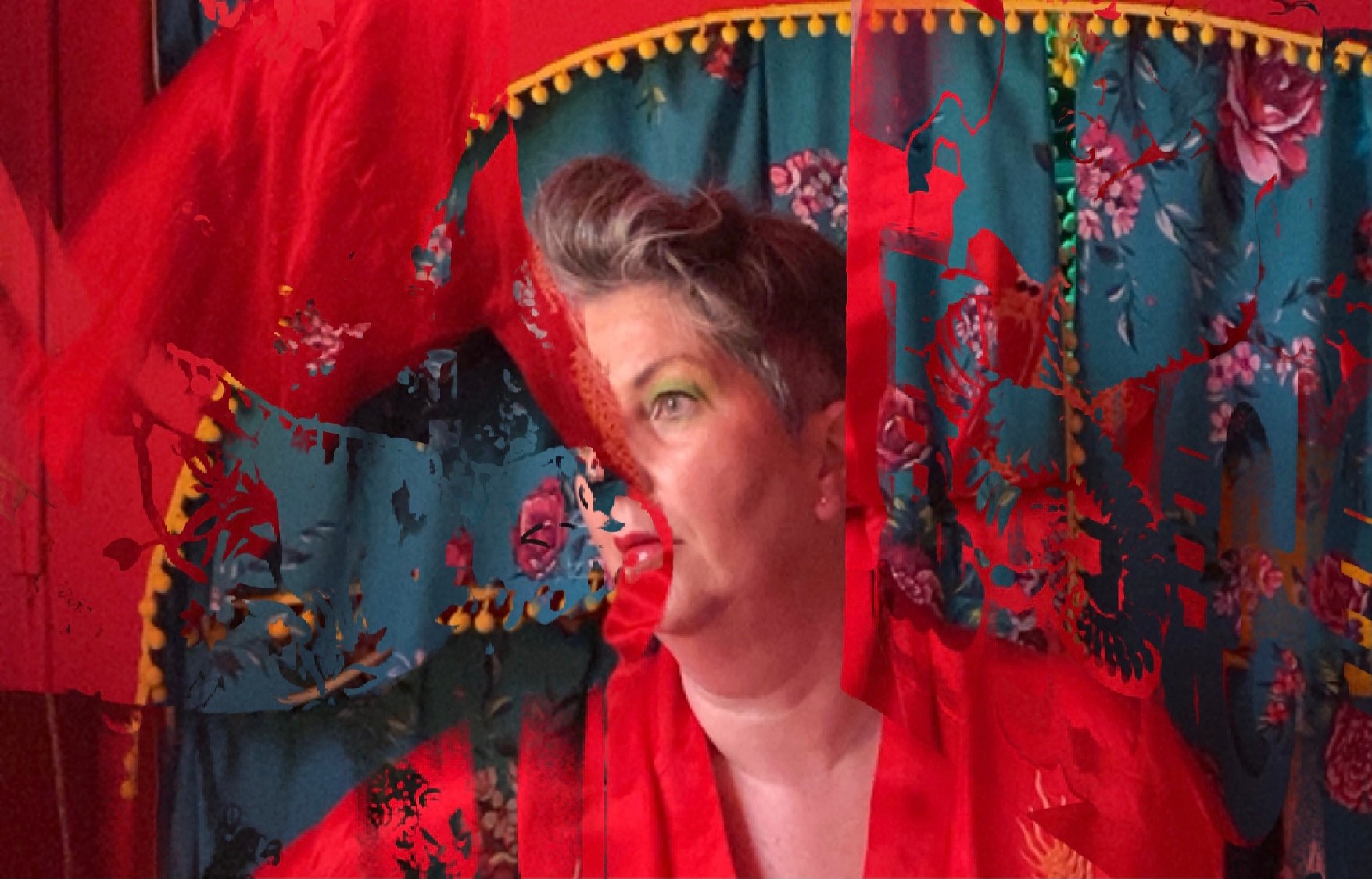
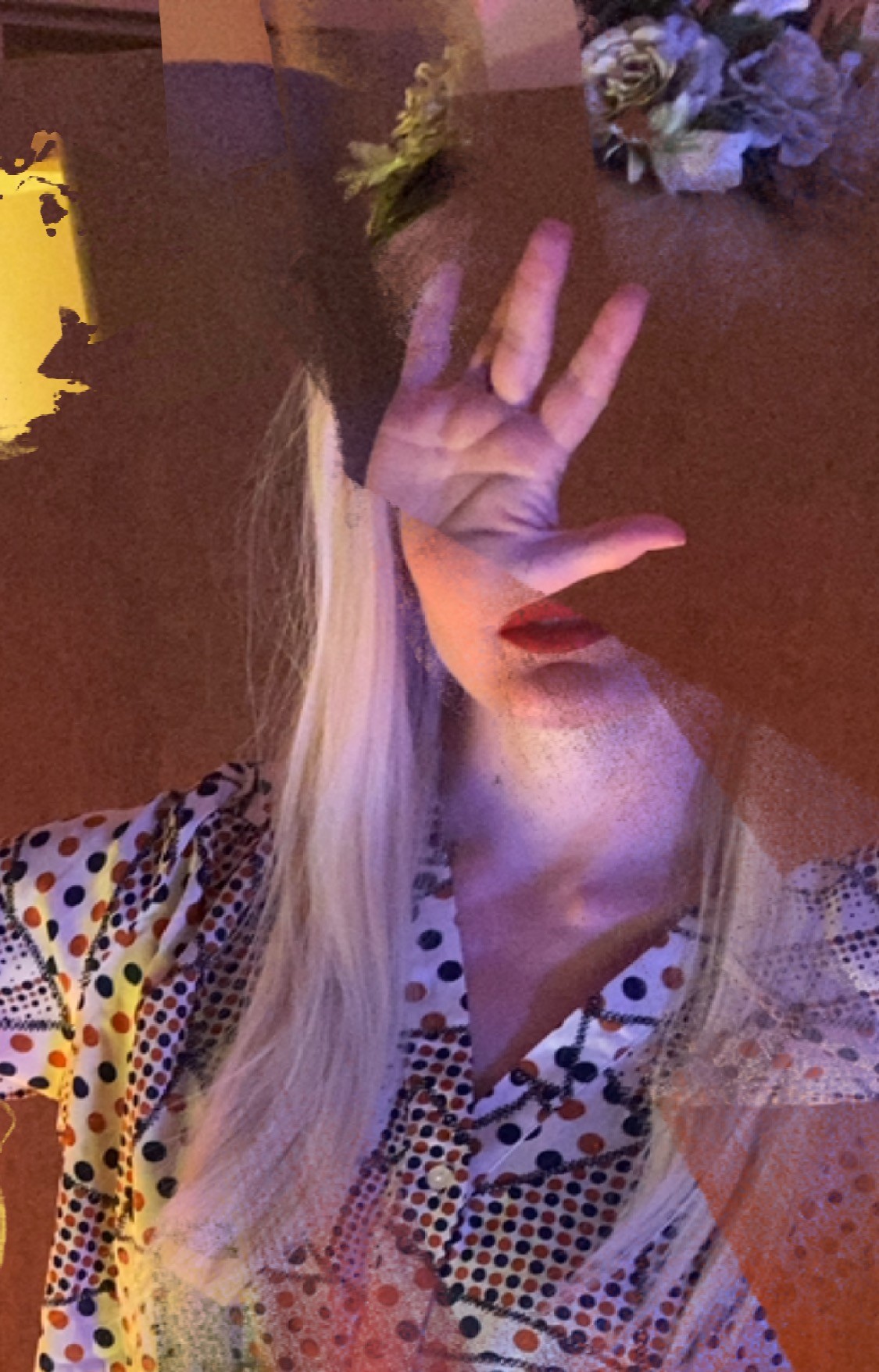
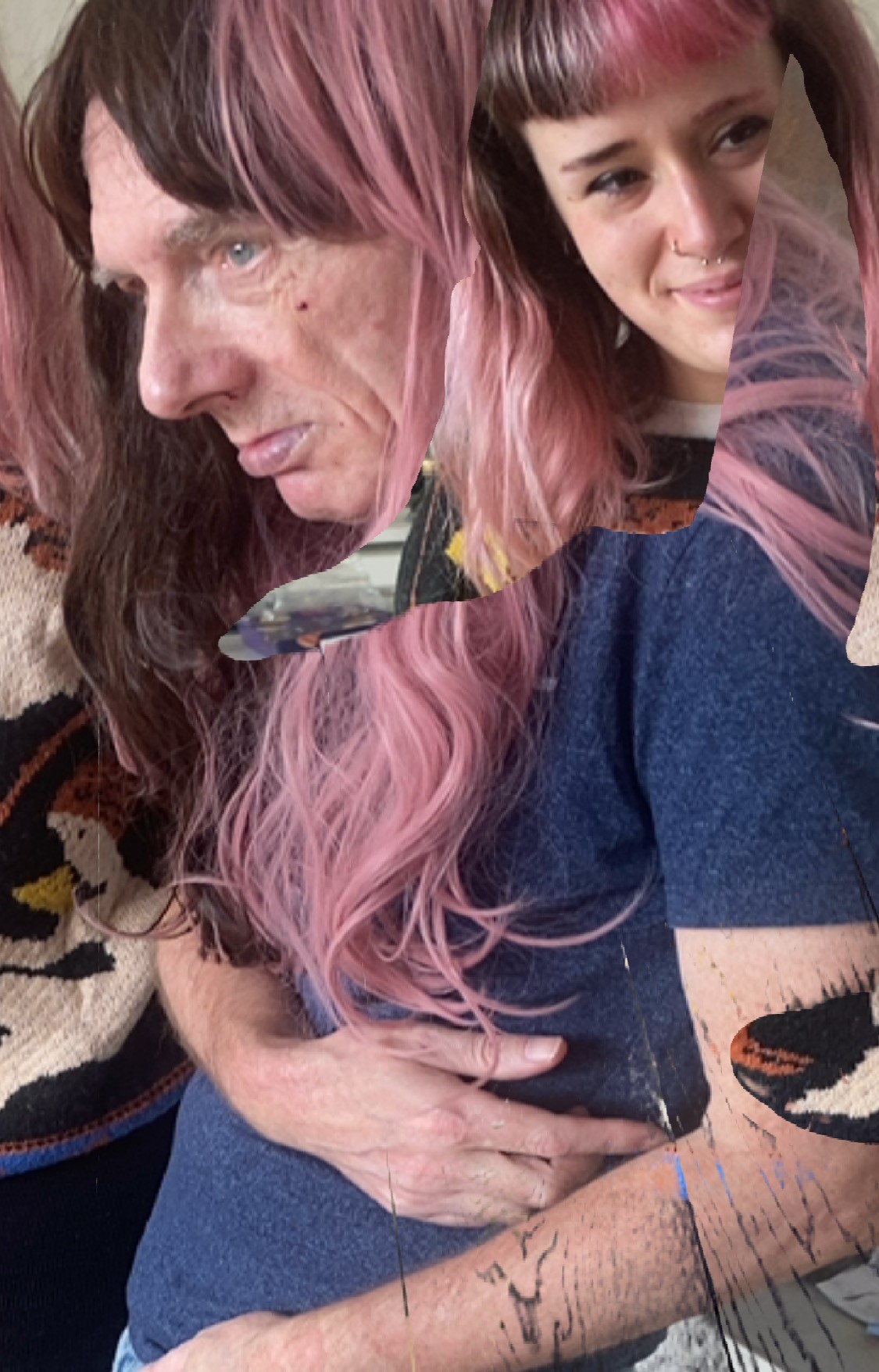
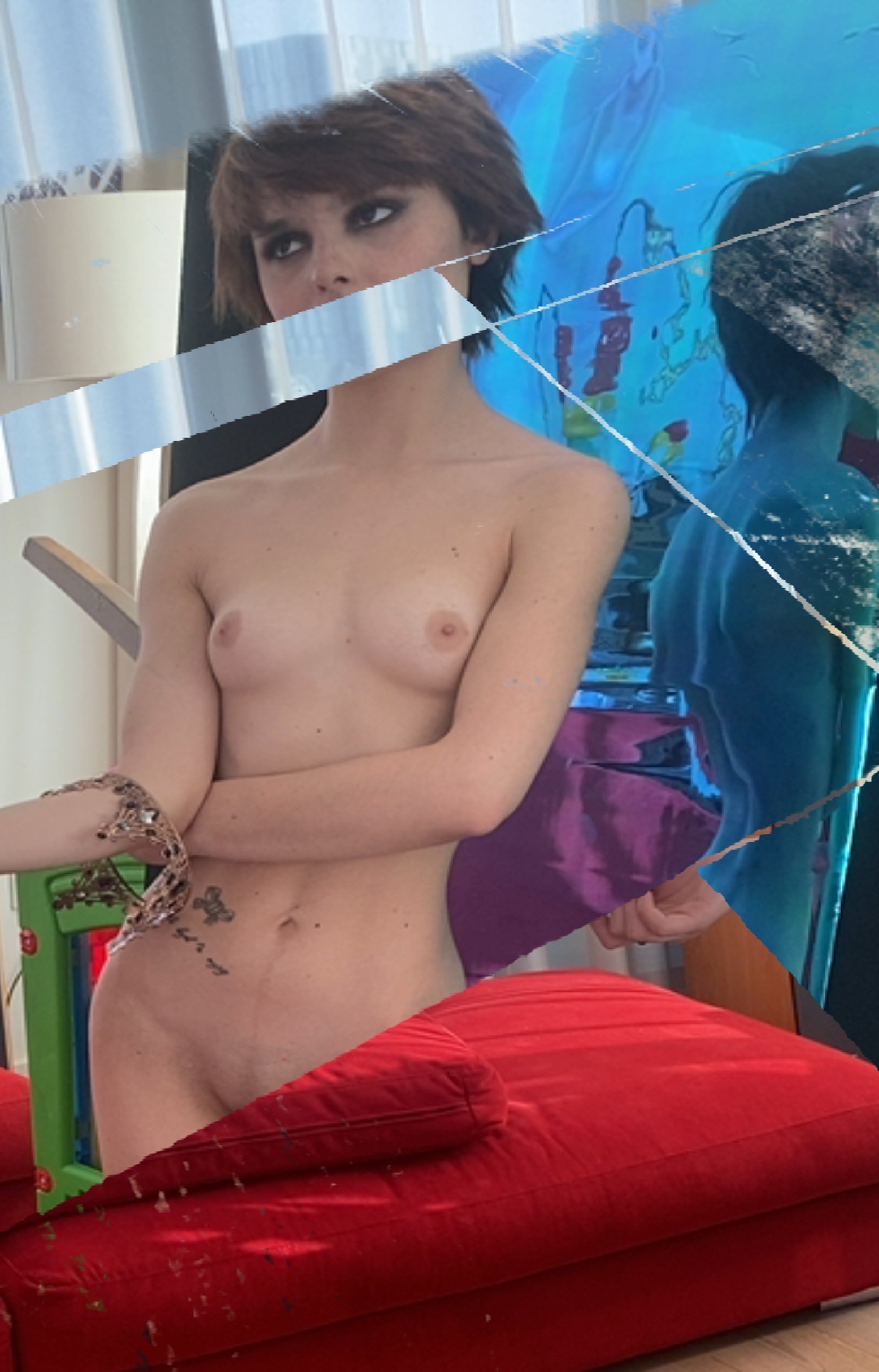
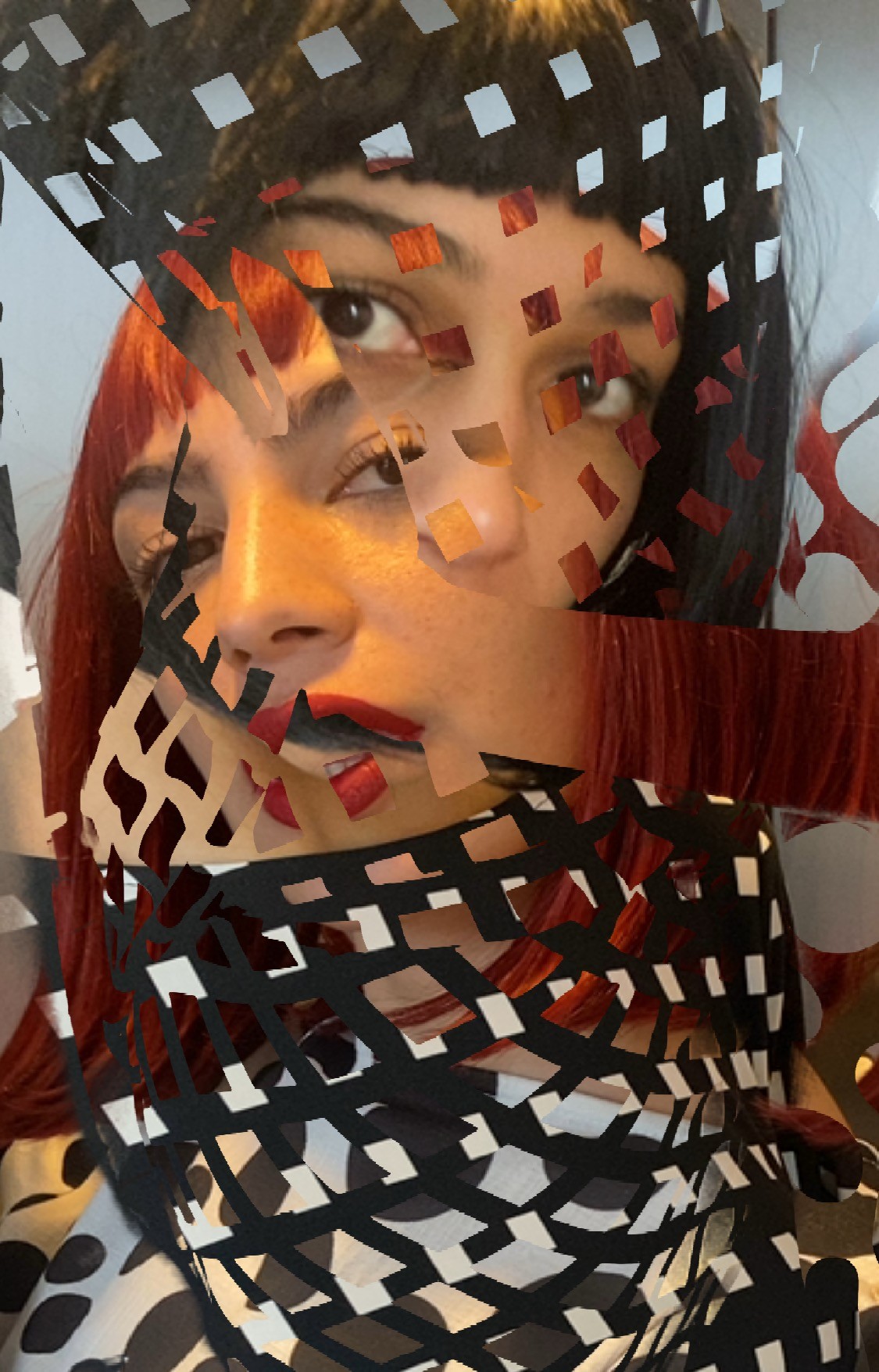
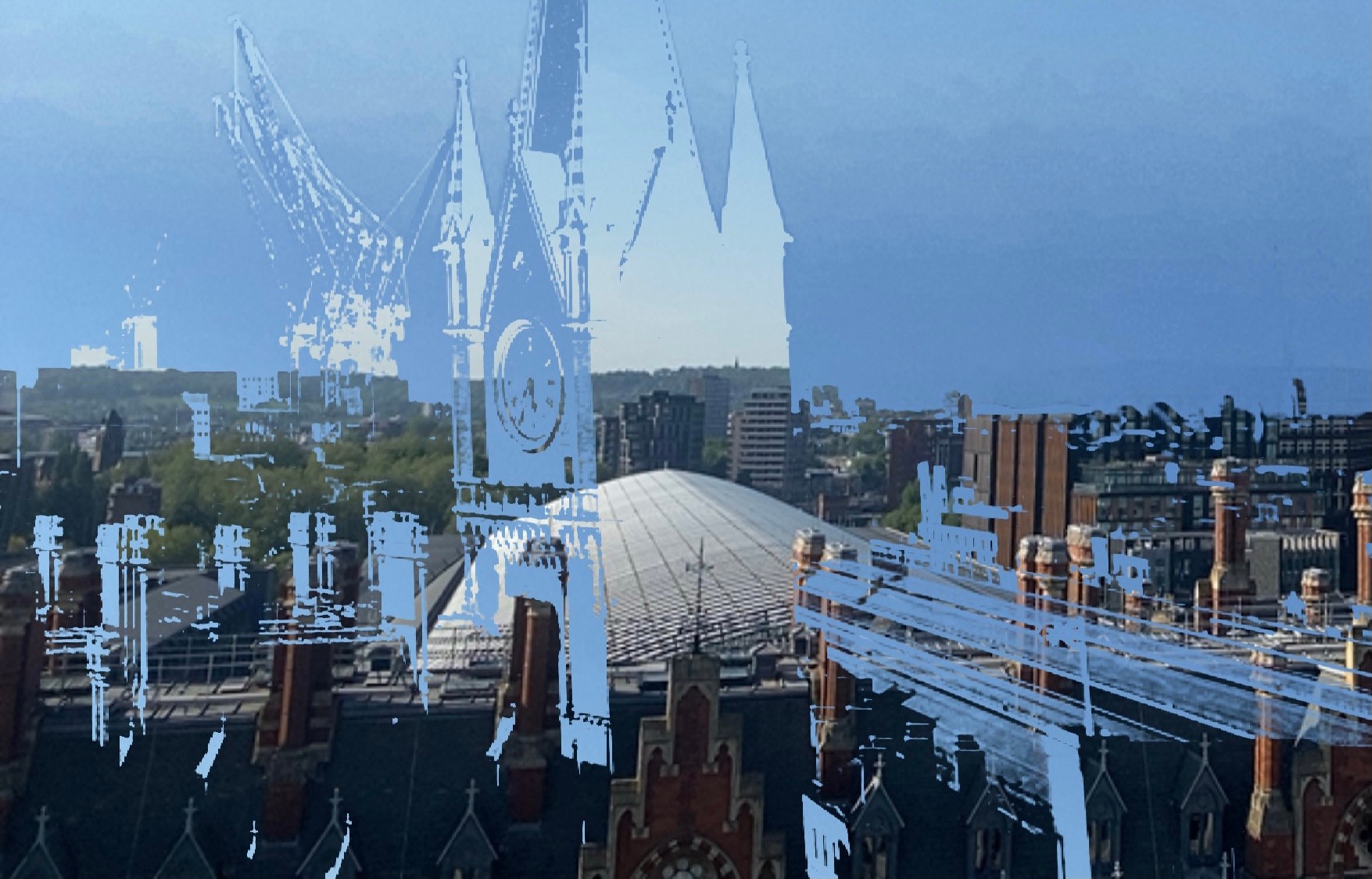
This is a collaboration with Sergey Egorov. He developed the digital filters; I made the photographs. The filters transform the camera image in real time, so I work with the changes while shooting. Faces, bodies and buildings can split, overlap or repeat. The picture takes shape through the software and through the choices I make with the camera.
Digital Expressionism
The technological development of photography is related to the attempts to register and comprehend visible reality. Each new technology appeared when the previously existing methods of obtaining images were unsatisfactory for the purpose of expressing contemporary reality. Lightweight cameras such as the Leica I appeared in the mid-1920s, and colour films such as Kodachrome followed in the 1930s.
Both photographers and theorists of photography soon came to comprehend the enigmatic paradox of photography: that the camera “sees more” than human eyes. Moments of life look more comprehensive, more multi-layered when viewed on a photographic image than when viewed naturally, with a human eye. A camera is able to register a reality of its own, one the author did not even suspect existed. Attempts to release the camera from the limits of the author’s vision have resulted in the emergence of an approach in artistic photography: the free camera — that is, when the photographer does not even look through the viewfinder while shooting; he or she merely uses an automatic camera. The snapshot technique has allowed photographers to retain and convey the sense of immediate experience, with the photographer participating in the event. The author—being the creator of the artwork—emerges only at the stage of selecting the photographic images already produced—when he or she, as a caring artisan, sifts through tonnes of visual ore in search of the gem he or she is striving to find.

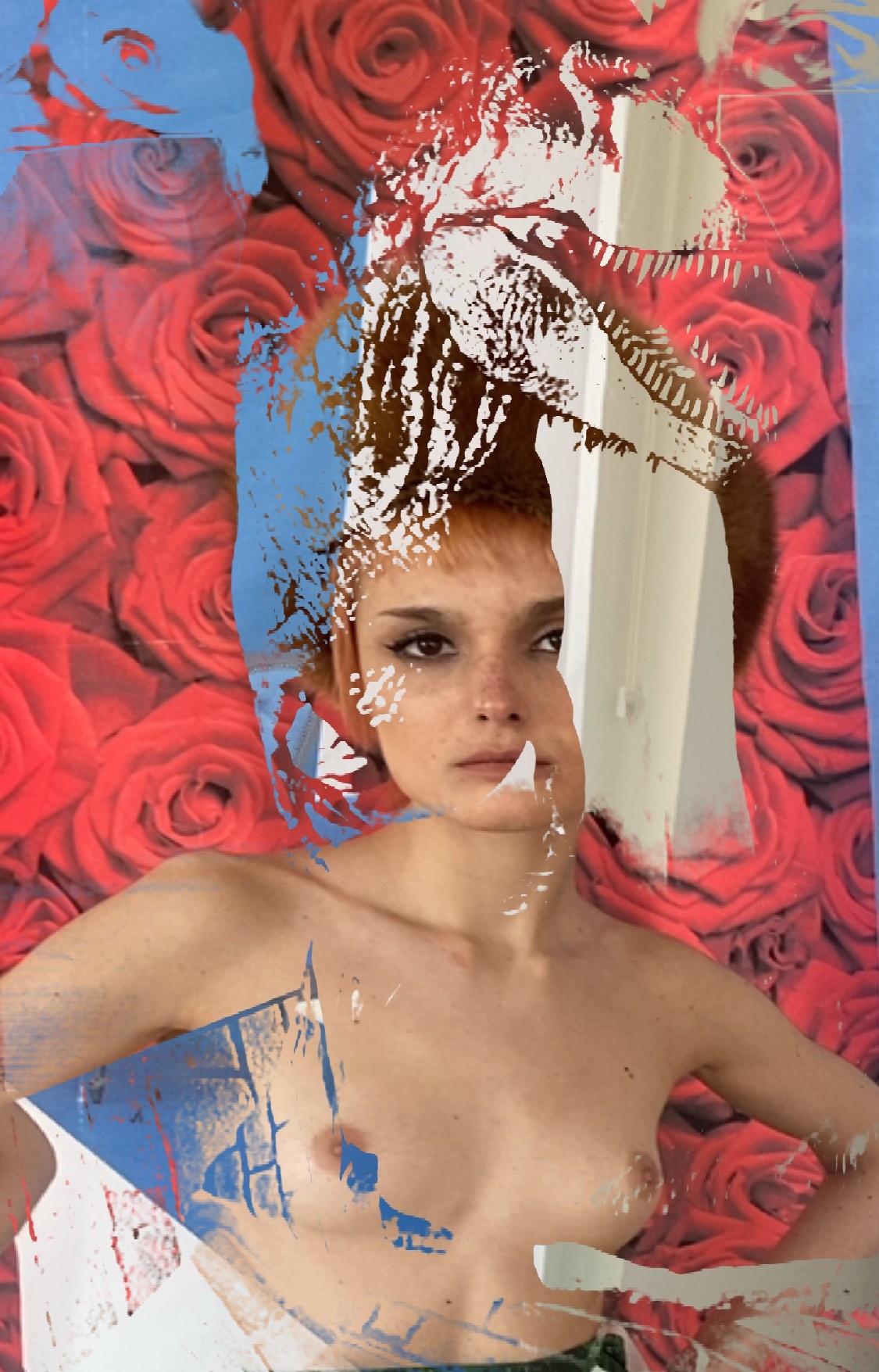
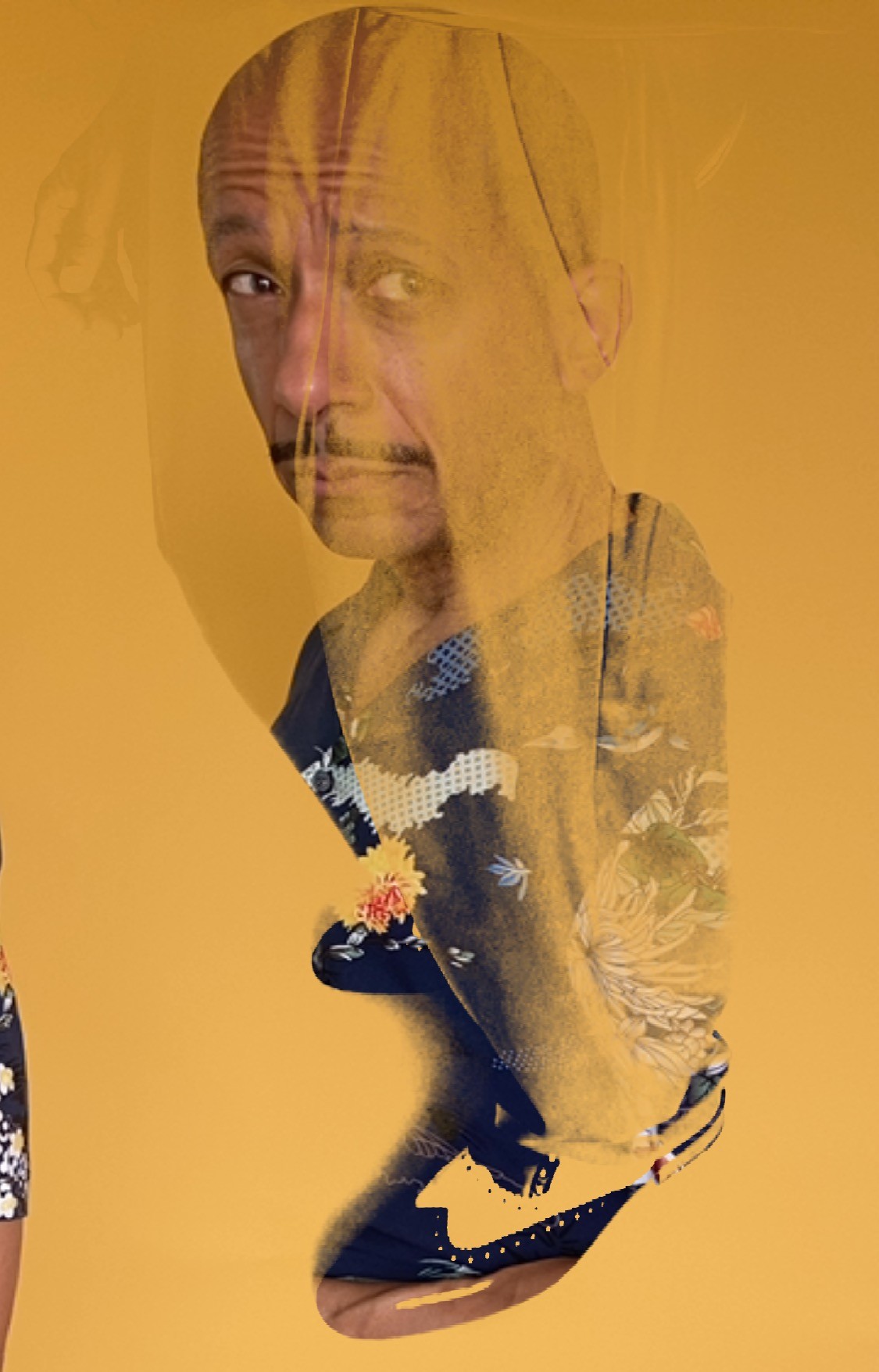
Digital photography—employing an entirely different technology—is, nonetheless, following the pattern of interaction between reality, camera, and author that took shape in the pre-digital age. The only changes that have come into being were related to the speed and the accessibility of image acquisition and its quality—construed as the most detailed and accurate reproduction of what is being seen, as well as the boundless possibilities in terms of image manipulation. In this respect, photography—being a technological product not affected by the author’s eye—is only affected by a technical error. The aesthetics of a glitch gives birth to new means of expression that are possible in digital technology—but these means are mostly about reproduction, not creation of an image.
Marina Smith’s works are representative of a different approach. She uses digital filters designed by artist and engineer Sergey Egorov (St. Petersburg, Russia) to disintegrate the image during shooting. The camera not only releases itself from the dictatorship of the author but subordinates the author’s vision to a reality of its own. The independence of the camera may, in this particular case, be the most precise metaphor for our times. Who may now dare claim that images flowing endlessly into one another have an author, after all? The mobility of boundaries—from politics to aesthetics—is perhaps the one and only peculiarity of our times. That said, Marina Smith’s approach is also intriguing in view of the fact that, with this variety of technology being used, the precise framing of a shot cannot be anticipated; it gives way instead to the viewing angle. The frame of a photograph stands for a metaphysical boundary. By defining an object within these frames, a photographer separates himself from the world. As far as Marina Smith’s photos are concerned, the photographer is—from a purely technological standpoint—unable to achieve this so long as she remains a part of the reality she observes. With this approach, photography is the outcome of the photographer merging with the material she creates. In this regard, Smith’s photos are akin to abstract expressionism in pictorial arts. The emotional impact of the combination of colours, shapes and fragments of the environment turns out to be more powerful for the viewer than information—which nevertheless does not vanish entirely from the image. This perception of reality overwhelms the beholder with extraordinary tension, making him or her crave for ever more images. And if a photographer is not able to confine what he or she sees within the frame of a shot, the viewer is not able to dwell on a single image.