Dim-Sightedness
Подслеповатость
When Dad comes to London, he likes going to TK Maxx. He looks for good things at a discount: for himself, his wife, someone in the family. Has a rummage, sees what he can find. It's a hobby of sorts. Sometimes, while my daughter is at school, he goes to a museum and photographs the paintings. Sometimes he goes shopping. The shopping is what I tend to pick on. So much to see, and there he is again, finding a grey T-shirt for five pounds less. I like a bargain myself.
After he'd been to Brixton a couple of times, I mentioned the market. You can look at the stalls, the fruit, the meat, listen to manic street preachers. Dad was very surprised. I don't remember his exact words, but he gave me the impression that he'd walked all over Brixton and couldn't understand where this market had suddenly come from. He'd only been twice. And both times he'd come out of the station, walked to TK Maxx and gone straight back. The market was off his route.
I was astonished by that certainty. Walk from the station to a shop a few times and already think you know the area. I teased him mercilessly. By then, quite a lot about him irritated me, especially the way he spoke: someone comes up to you with a script already prepared, switches on the radio and starts broadcasting. As a child, I idolised Dad. He's funny, charming, wonderful with children. But as soon as he speaks with that authority of his, I can't see beyond it.
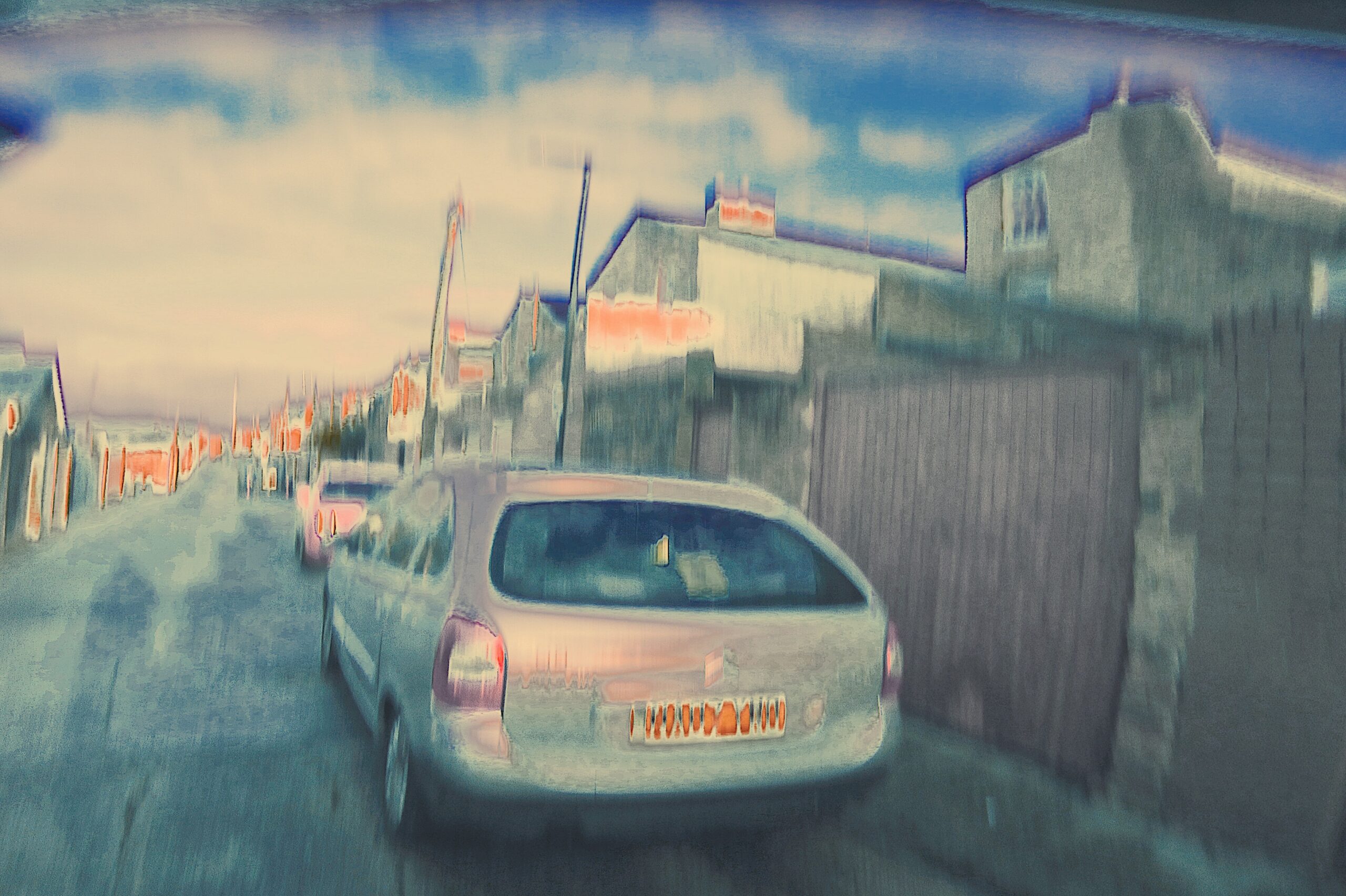
The longer I think about the market story, the more clearly I see my own route to the yoga studio.
I go to yoga, and the way to the studio becomes a familiar part of my world. I can go in the other direction too. Especially if there's another studio that way, with a class that suits me. Sometimes I have a few hours between classes. Once I came up with a good plan: take the bus from Angel to Highbury & Islington, then walk back and have a look at the area. My city, my new London. I ought to explore it. I never did that walk. Found better things to do.
I have a very clear picture of how this works. In Heroes of Might and Magic, you begin with a dark map. As you move across it, you uncover the land, and it becomes yours simply because you've been there. Something like this happens on my internal map. I've walked down a street, come back a few times, and now it's my territory. Somewhere between 'I've been here' and 'this feels familiar', another label appears: 'explored'.
Repetition brings confidence, even when it adds very little information. I recognise the turn, know how long it takes to get to the studio, can organise my day. That's enough to feel at home. Then, almost without my noticing, the feeling extends to the whole neighbourhood. Like Dad's Brixton, which fits between the station and the shop (how do I know exactly which route Dad took, by the way?).
This ability helped me settle in London. I can easily add small pieces of the city to my world. My map may not cover much, but it already has my life on it. I need things I do regularly, a clear timetable, places I return to. With those supports, I can live surrounded by things I know almost nothing about. An unfamiliar city gradually becomes familiar enough for what I need to do.
So perhaps my love of routine and my ability to move to another country are less contradictory than I thought. I need predictability in certain things. I'm comfortable getting by on what I already know. I can settle in before I've worked out where I've landed.
When I talk about not wanting to look, I recognise this comfort too. I've formed an impression, I'm happy with it, and I'm not particularly keen to add to it. Yet someone else's certainty, based on just as little information, can make me furious. It's especially obvious with Dad. I begin by talking about his limitations and soon arrive at my own. The story becomes funny and a little touching.
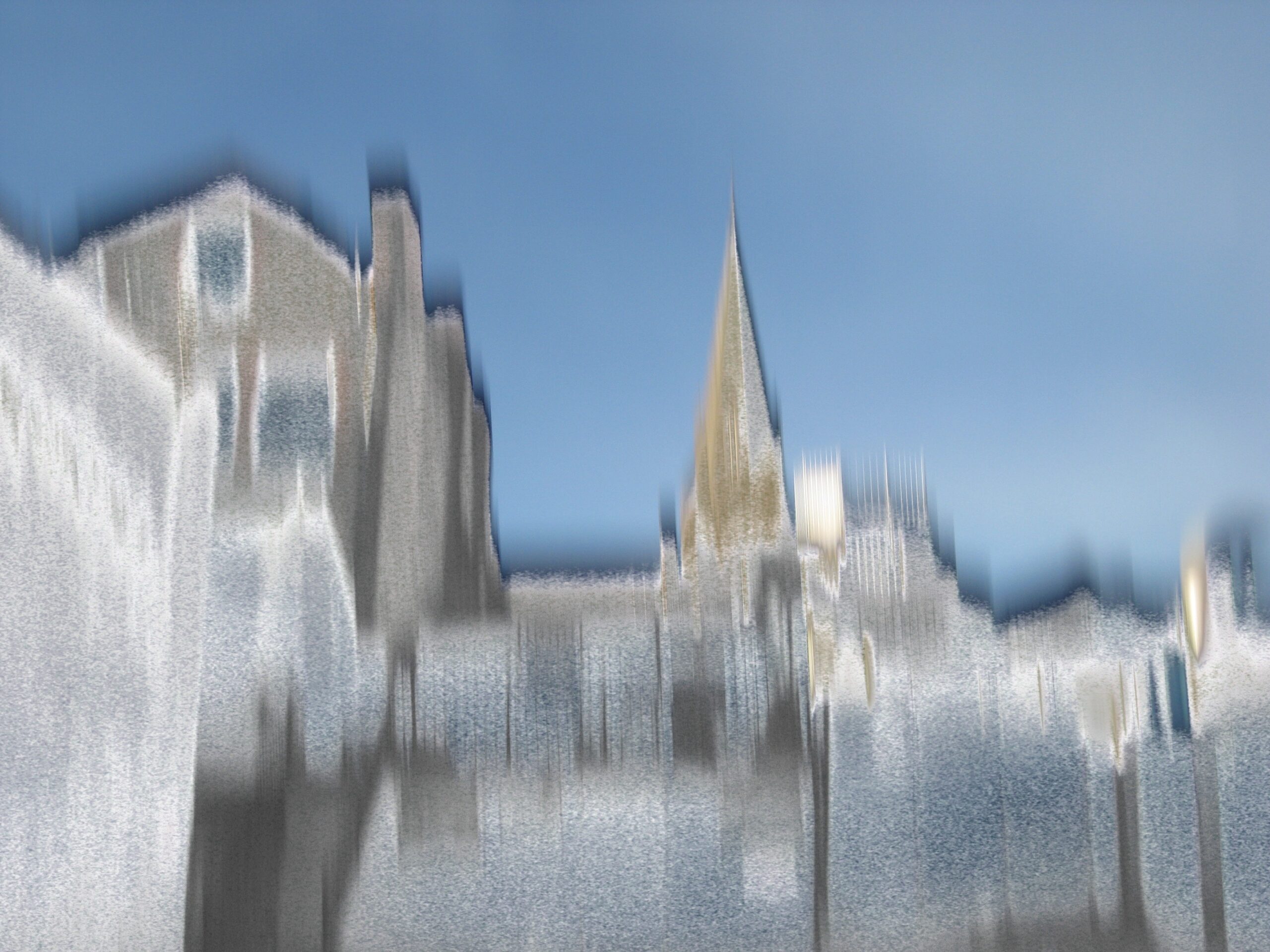
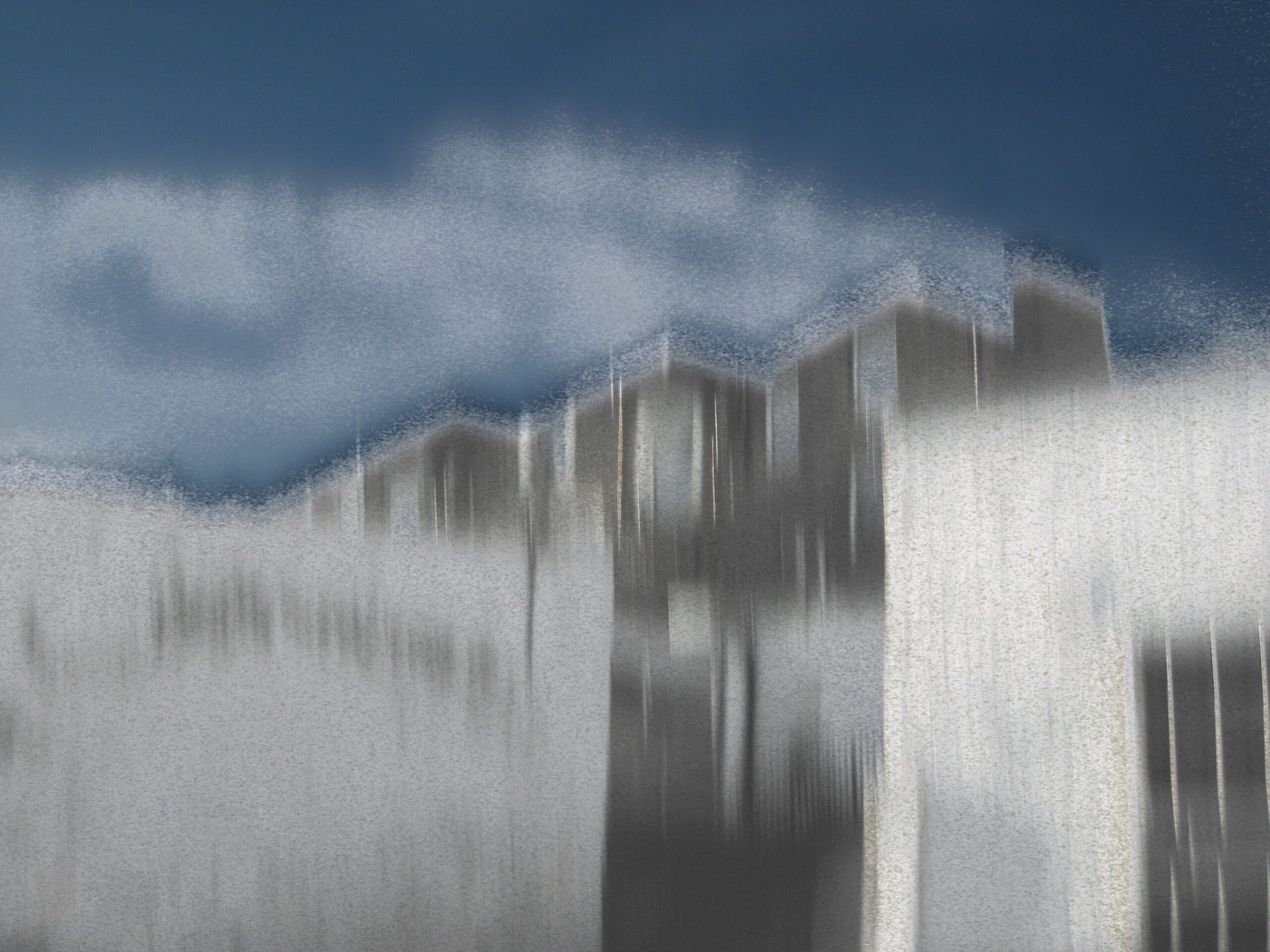
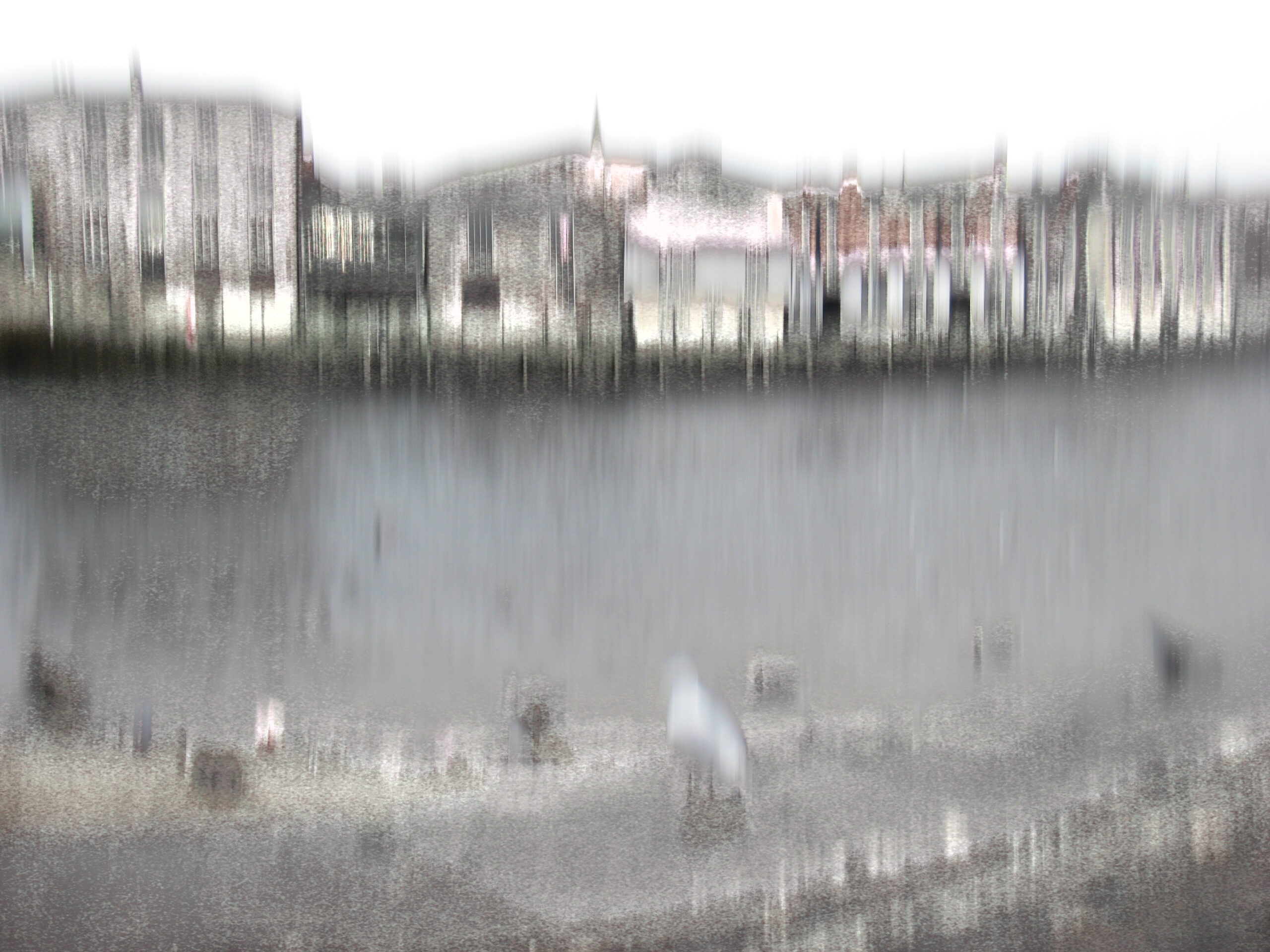
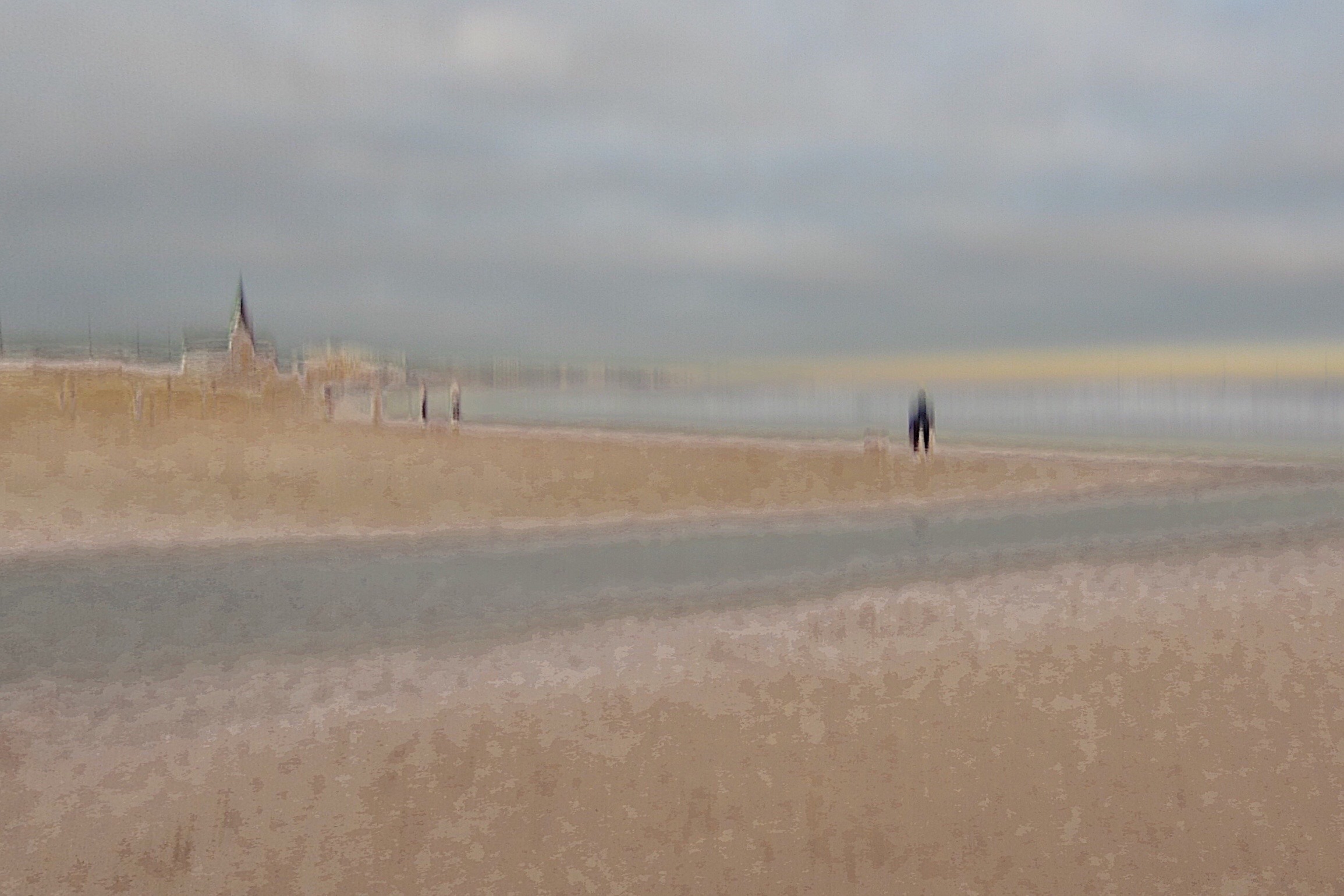
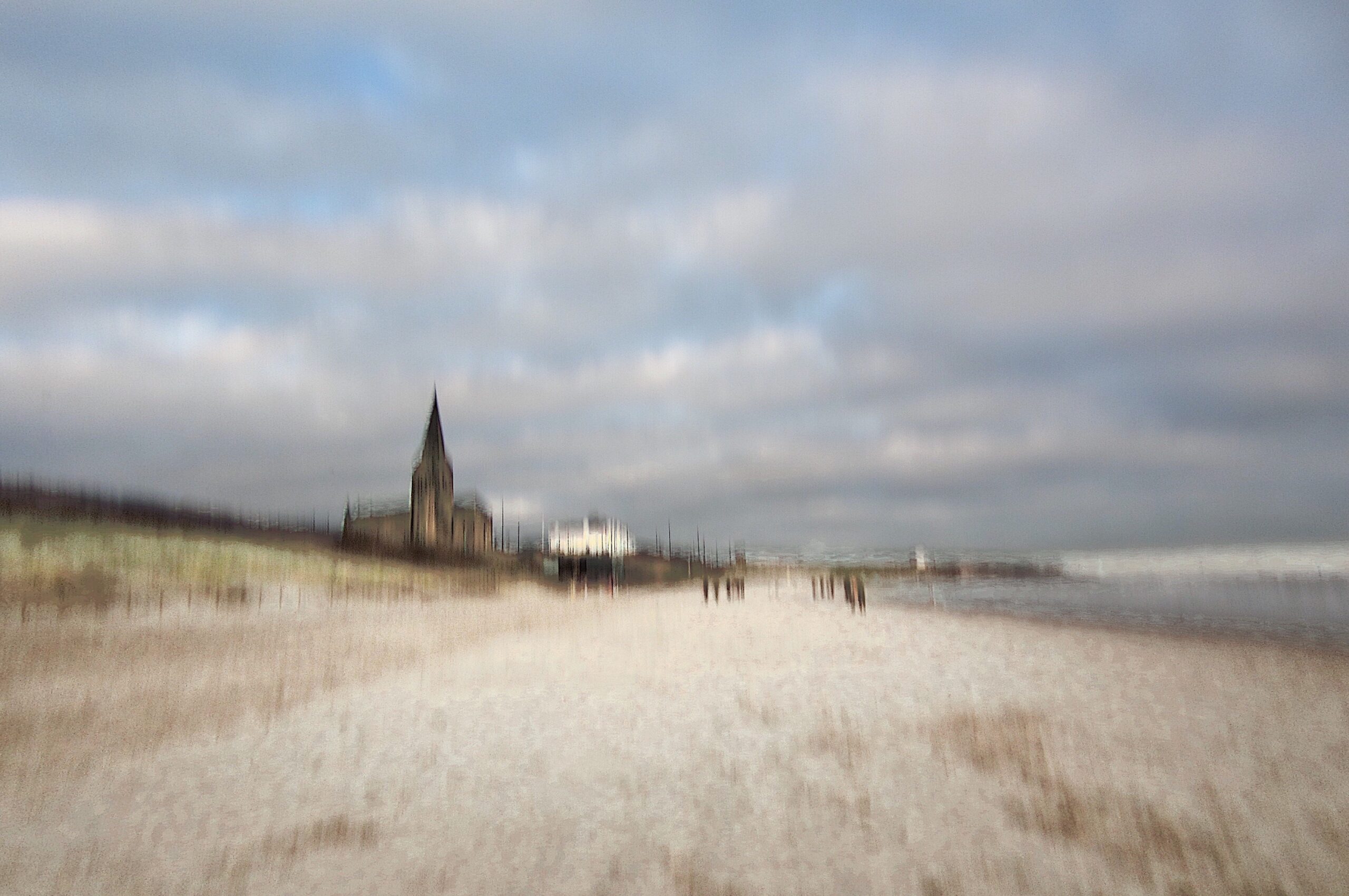
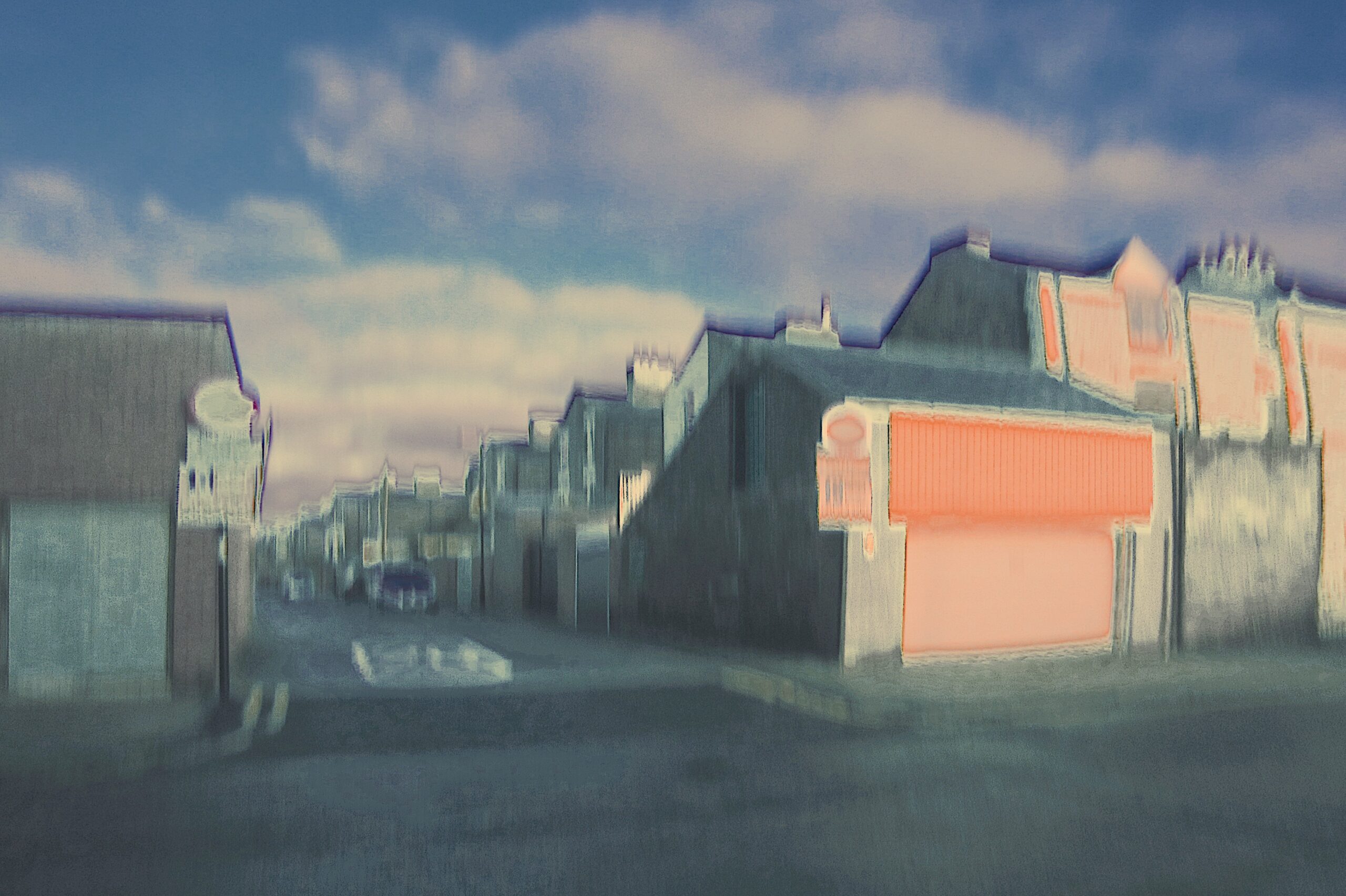
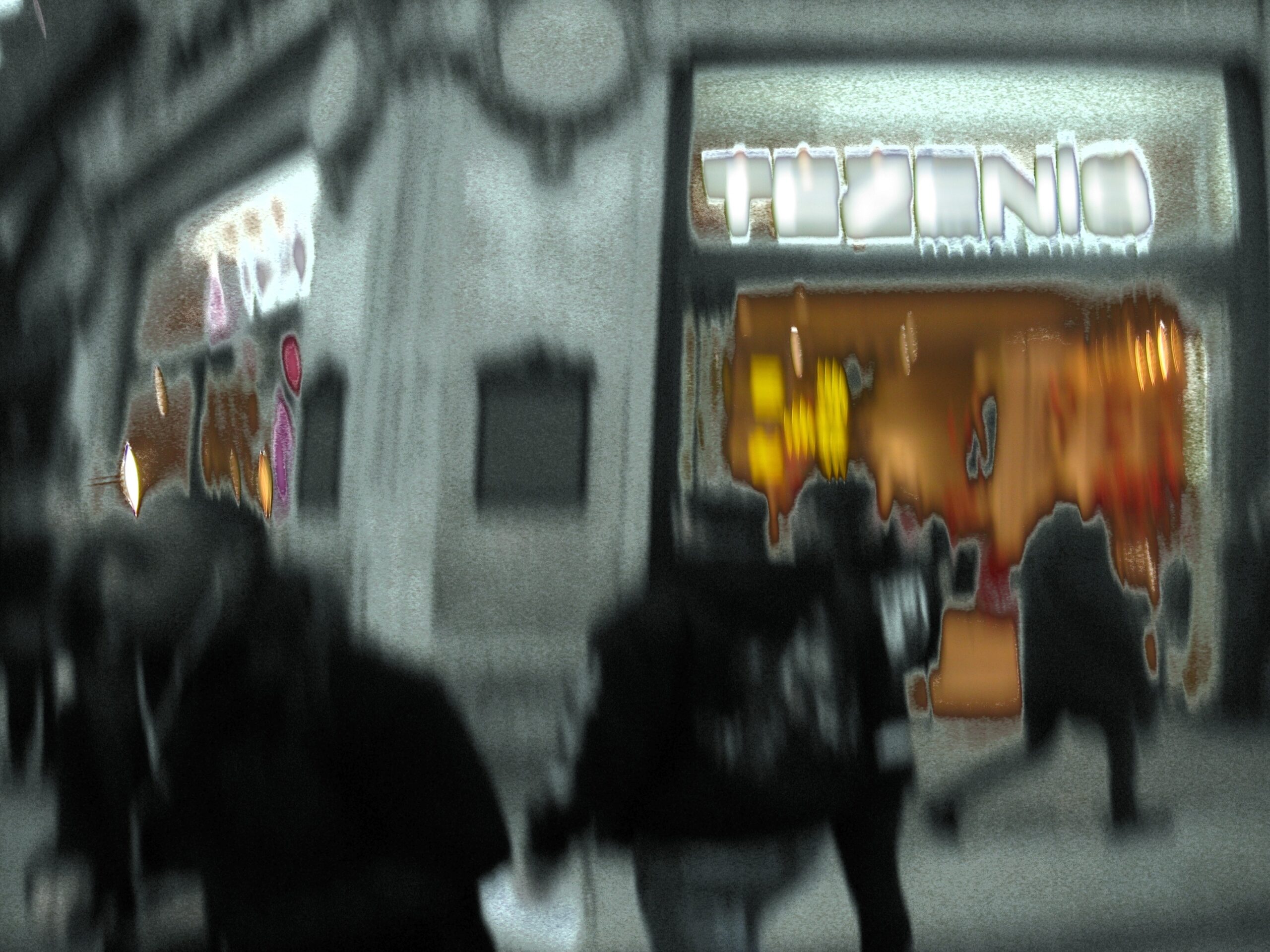
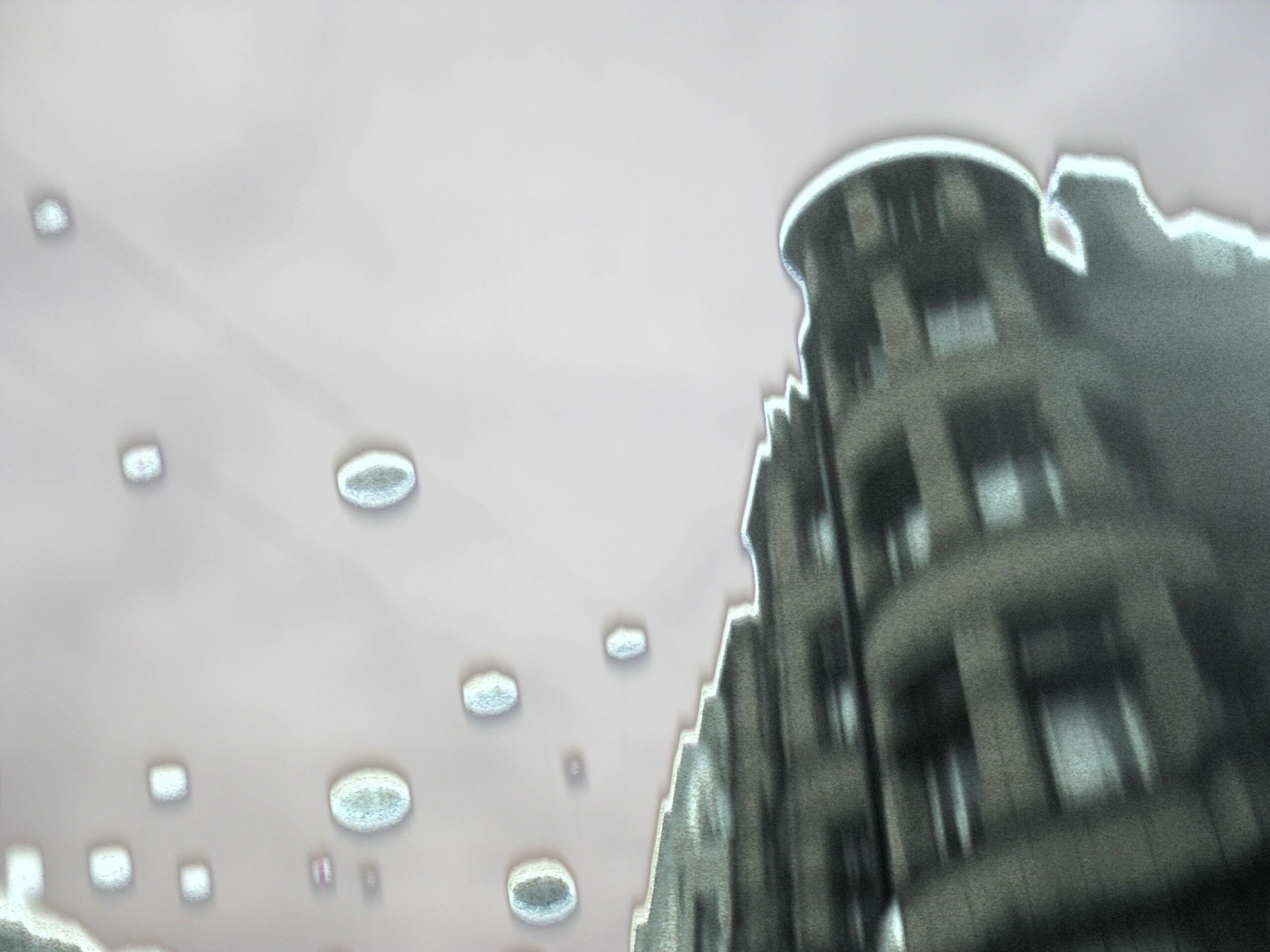
This is what these photographs illustrate. Dim-sightedness doesn't make me uncomfortable. It's how I find comfort.
In the photographs, it's easy to recognise a street or a house, to see where people are standing. A pale halo sometimes makes the lines of the roofs even more distinct. Inside those outlines, things are much less definite. Faces blur, windows stretch out, lights leave streaks. There is enough in the image for me to recognise what I'm looking at, and I can leave it at that.
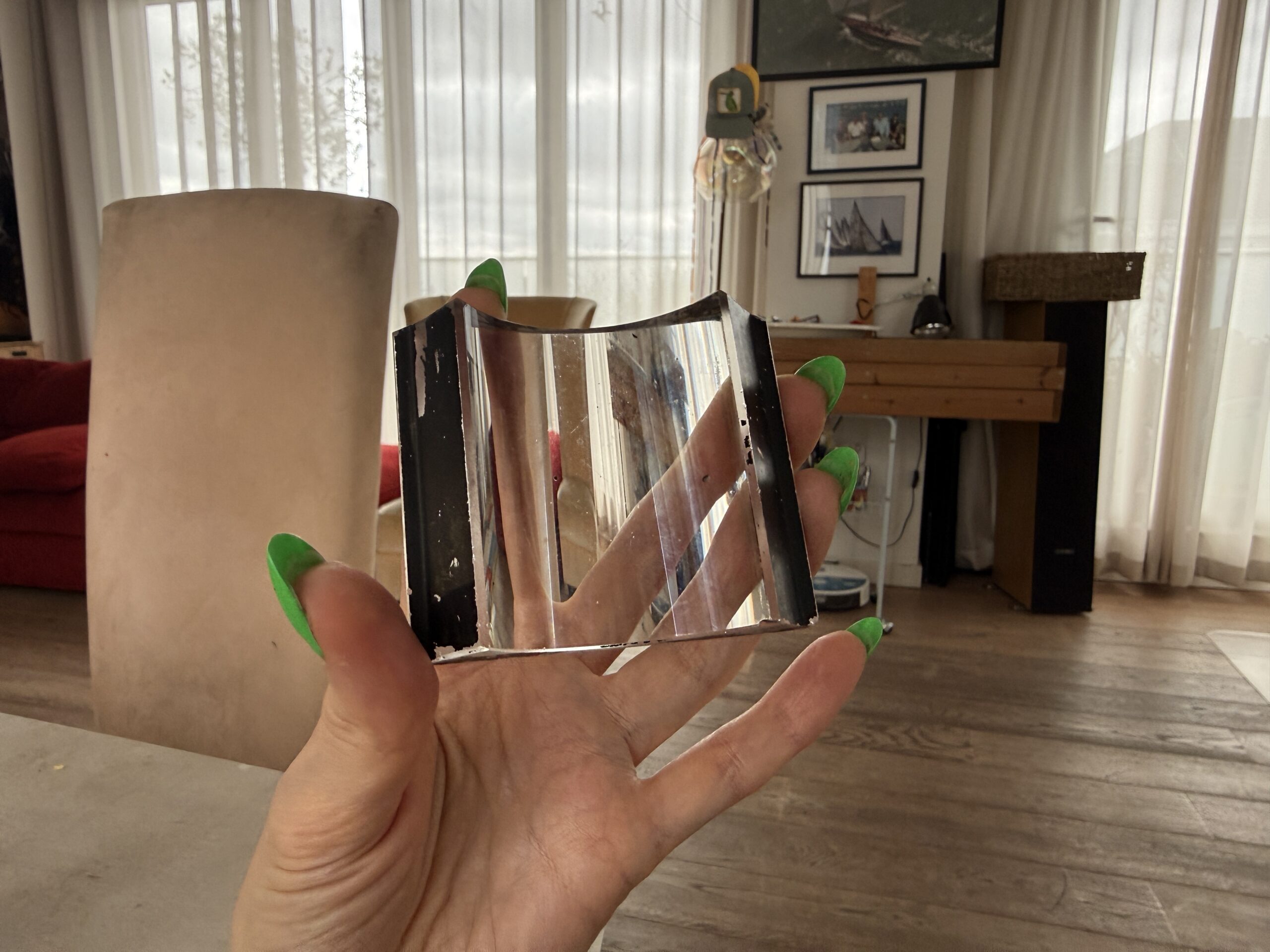
I make these photographs by holding an old piece of curved glass in front of the camera lens. It was found in an old Soviet pharmaceutical factory. I have had it for years, and I do not know what it was originally made for. It is a thick, rectangular piece with curved surfaces and worn black edges. Through it, proportions shift: turning the glass changes the direction in which a face stretches or flattens. I hold it by hand, so its position is part of making the picture.
Alongside the glass, I use Color Swap, a peculiar little mode on an old Canon camera. The feature dates back to the years before Instagram and everyday smartphone photography. It lets me replace one selected colour with another as I shoot. I still find myself discovering what this mode can do. Its way of turning familiar colours into unfamiliar ones gives me real pleasure, and keeps giving shape to the things I am trying to describe here.
See the glass I use
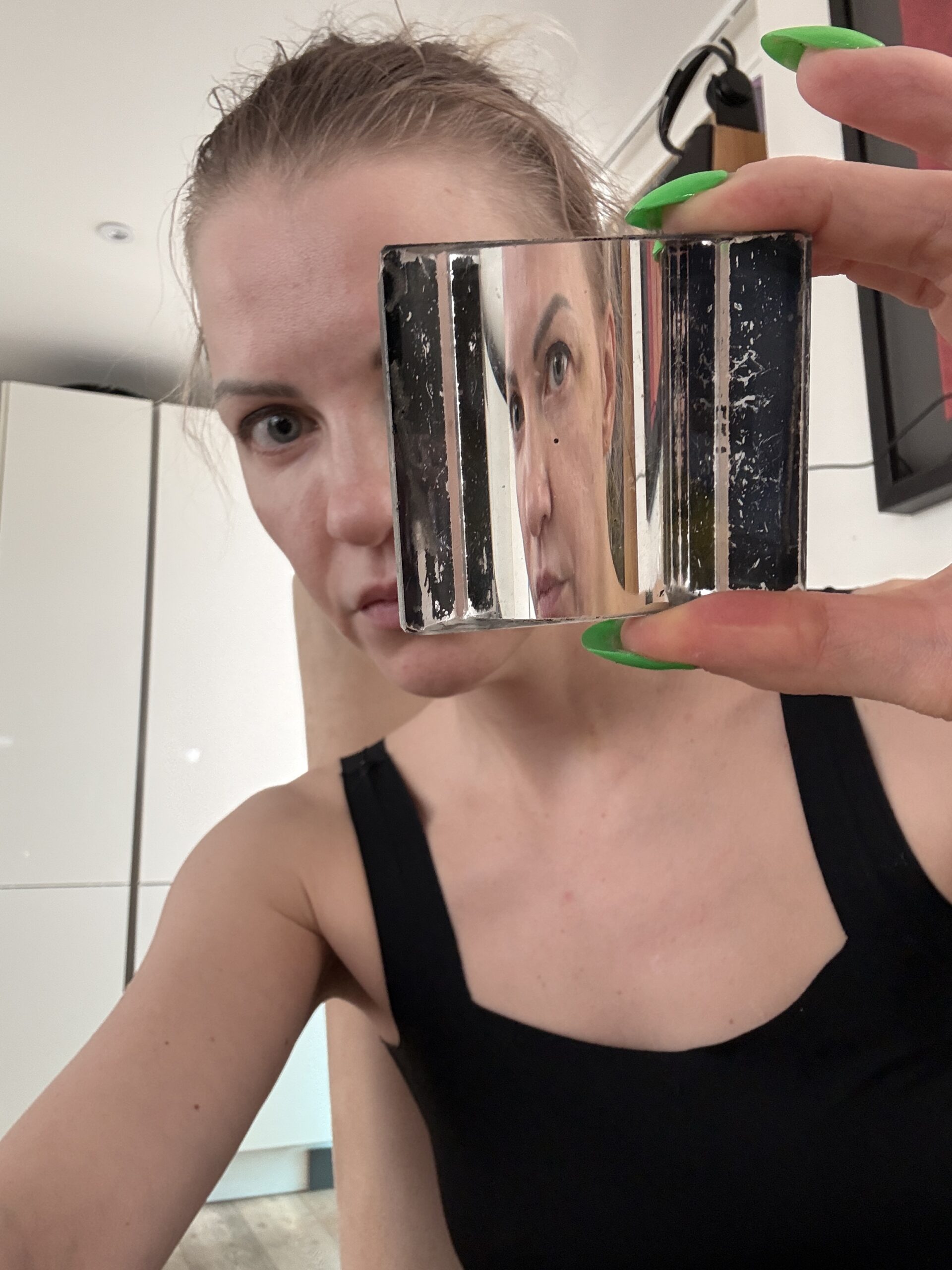
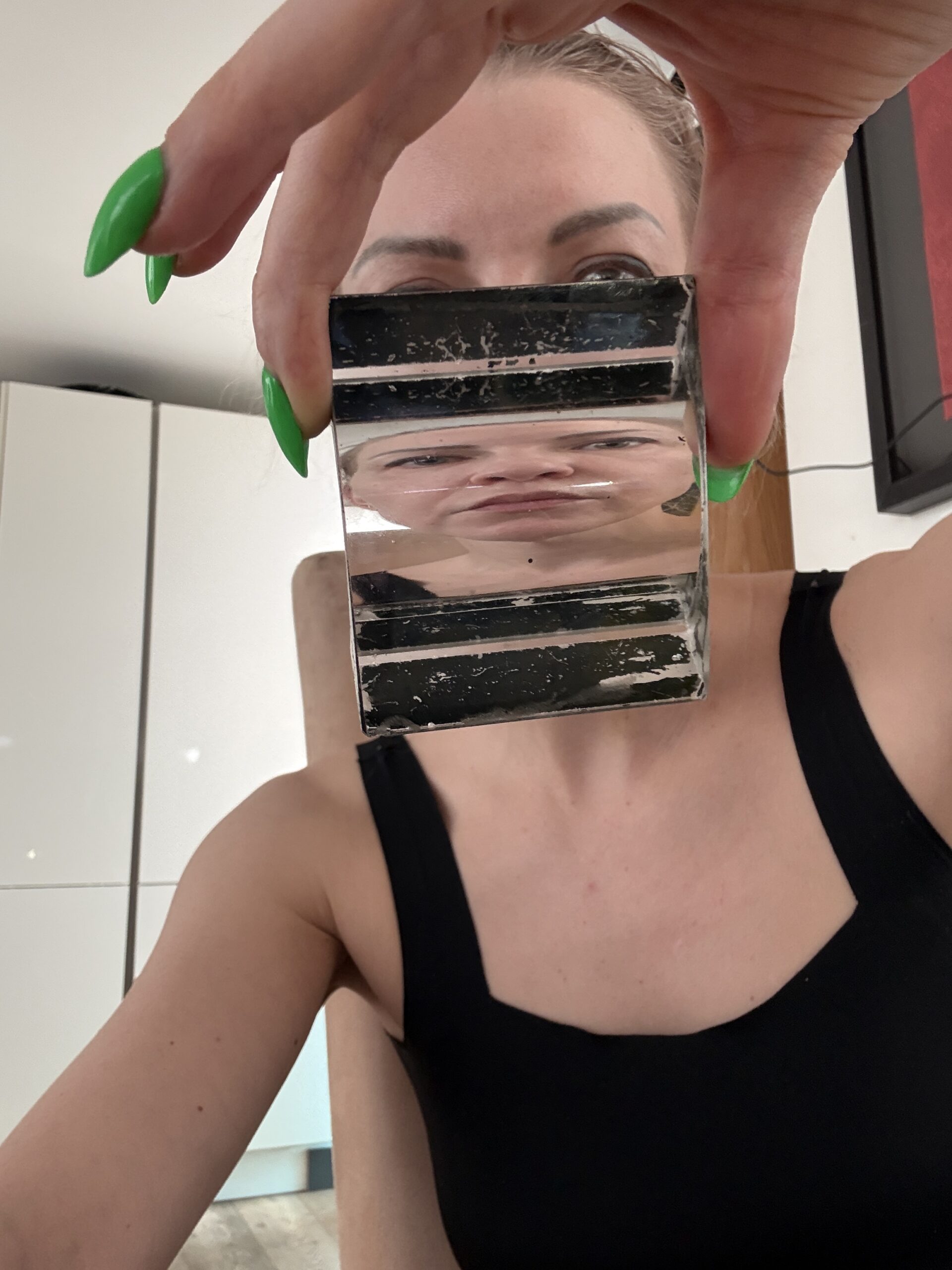
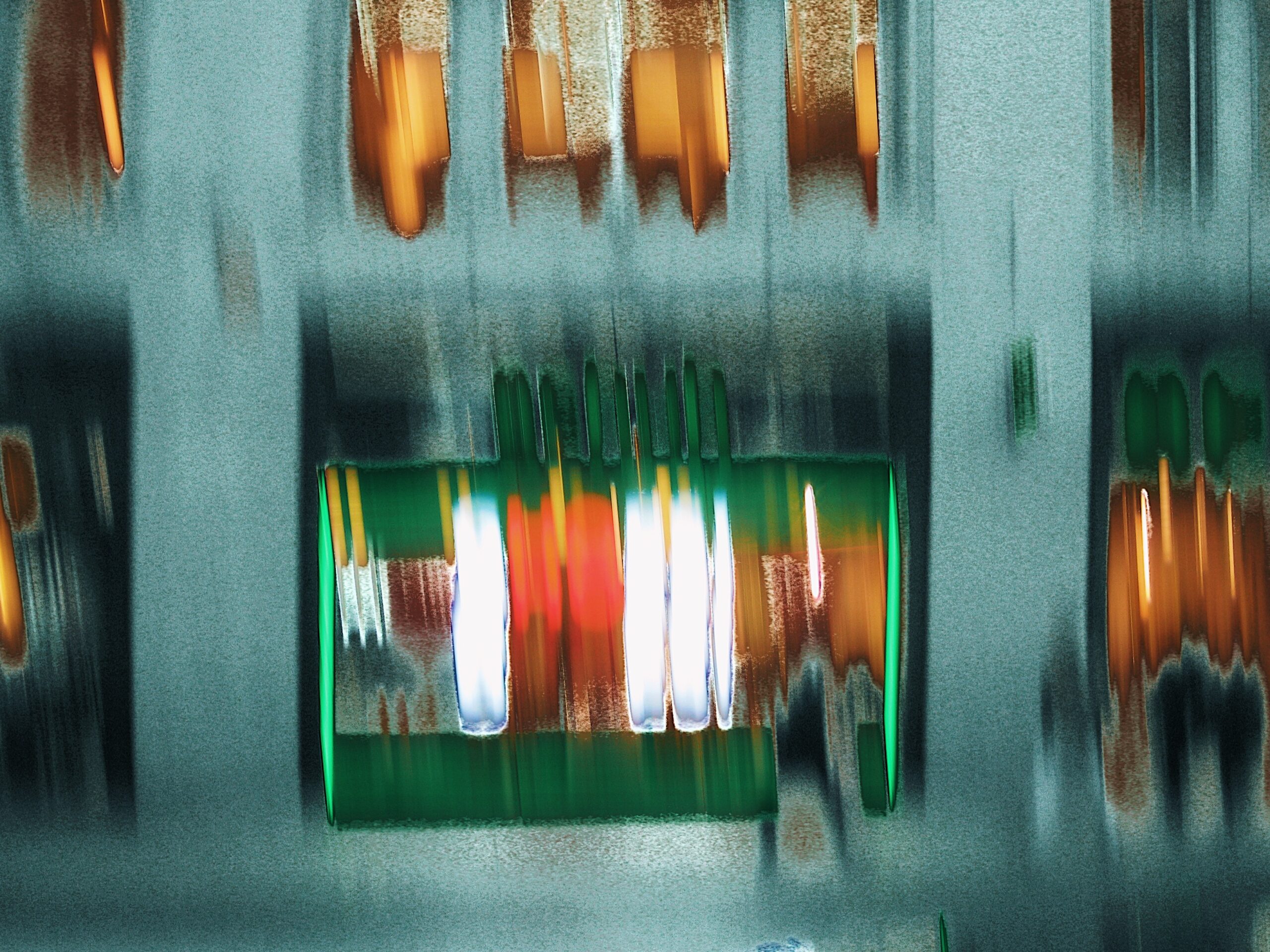
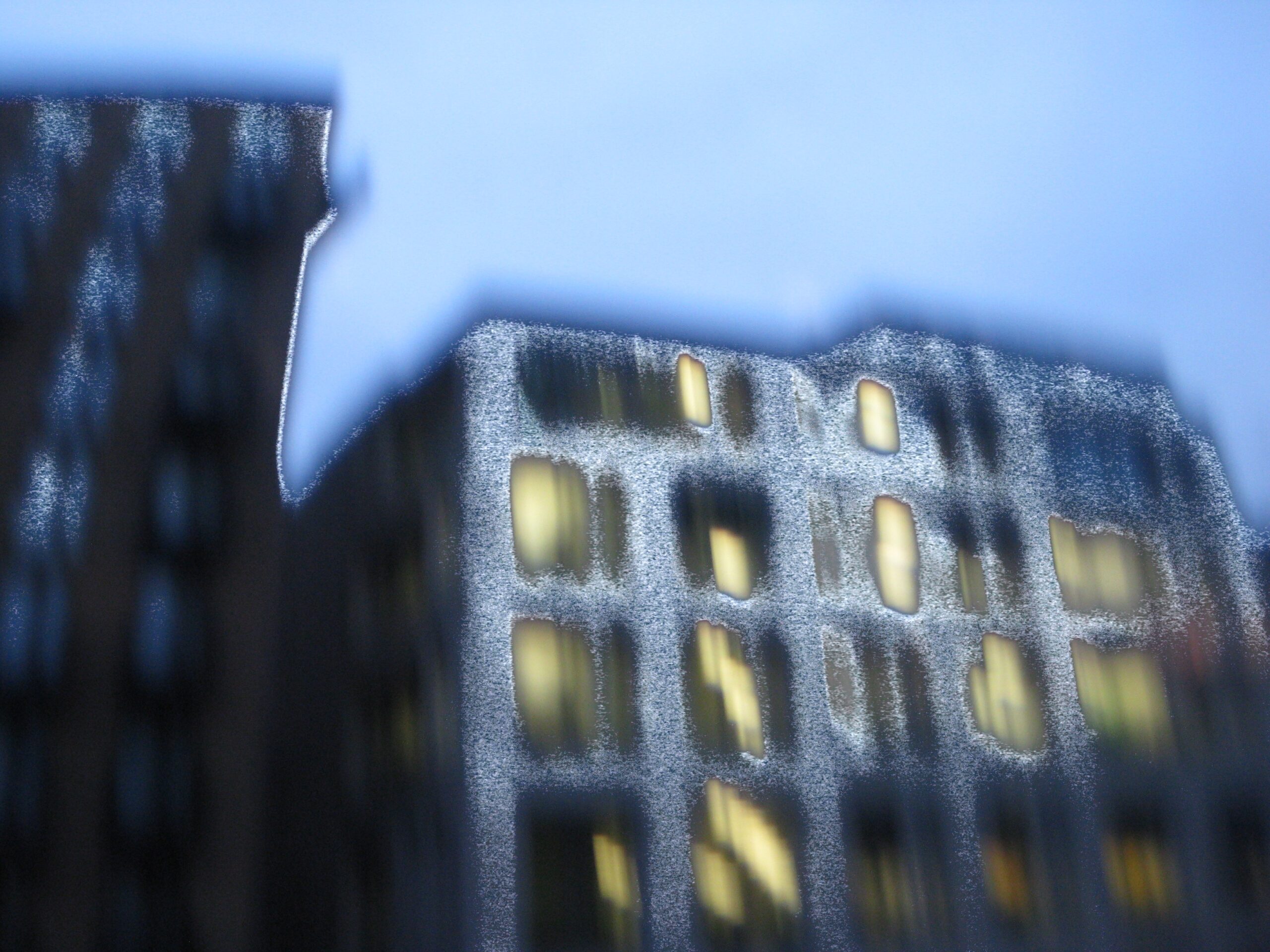
But I do want to look at it. I'm drawn to colour, light, contours. To the way the real world becomes a field of colour. I can spend a long time looking at the resulting photograph without getting any closer to knowing the street itself.
Perhaps this is where my interest in the image meets my reluctance to look too closely at what lies behind it. I choose what to dwell on: whether I like the result, what the place has become, whether I can feel it's mine. The details of life there stay at the edge of my attention. I already have an image I know how to handle.
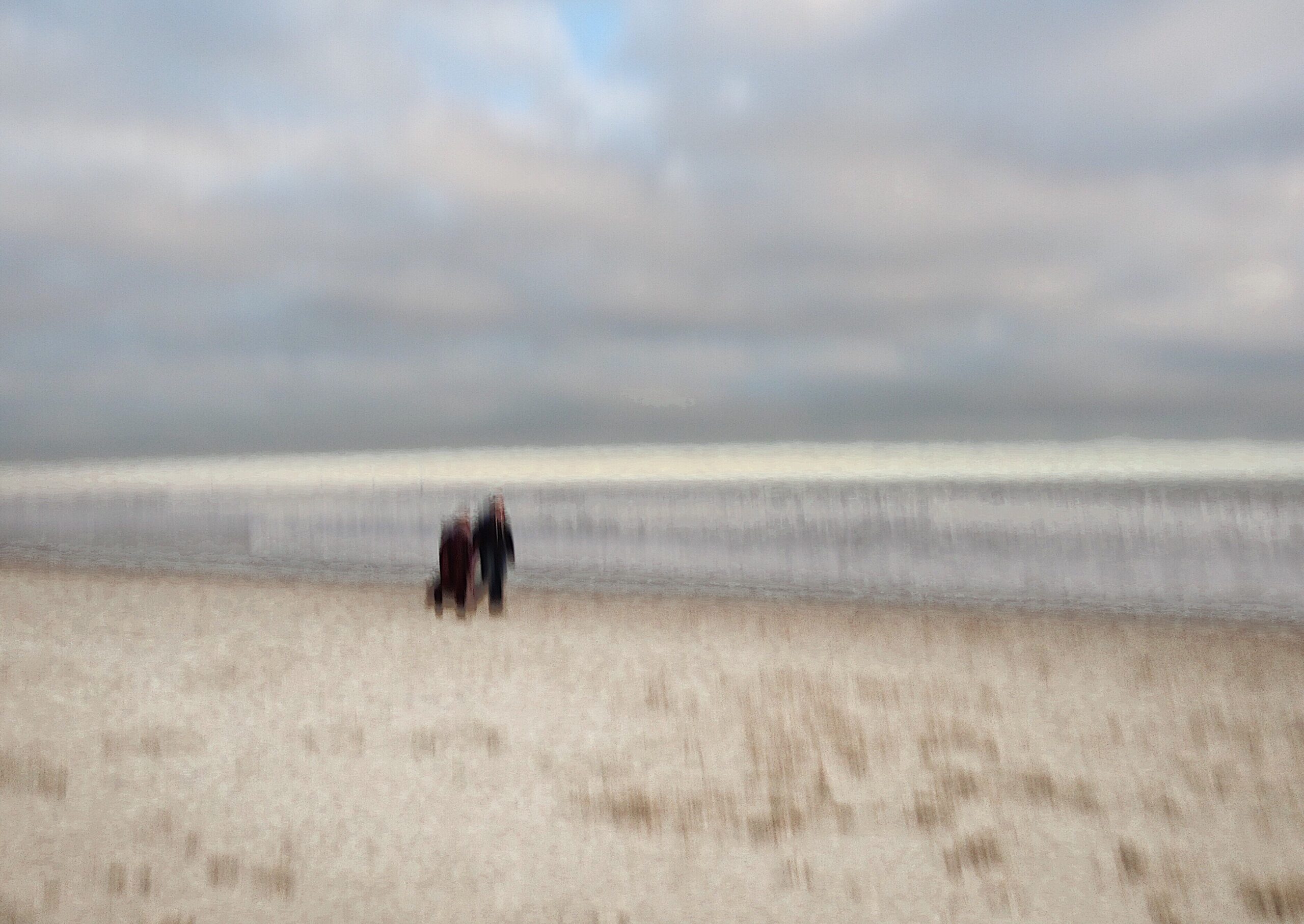
It can be similar with a person. I can want closeness and still be reluctant to learn the details of their life. I want to be near them, but that desire doesn't always come with curiosity about everything that's happening to them. Sometimes I look at a person and, somehow, don't look. I still want to understand how much room my own idea of that person takes up in this closeness.
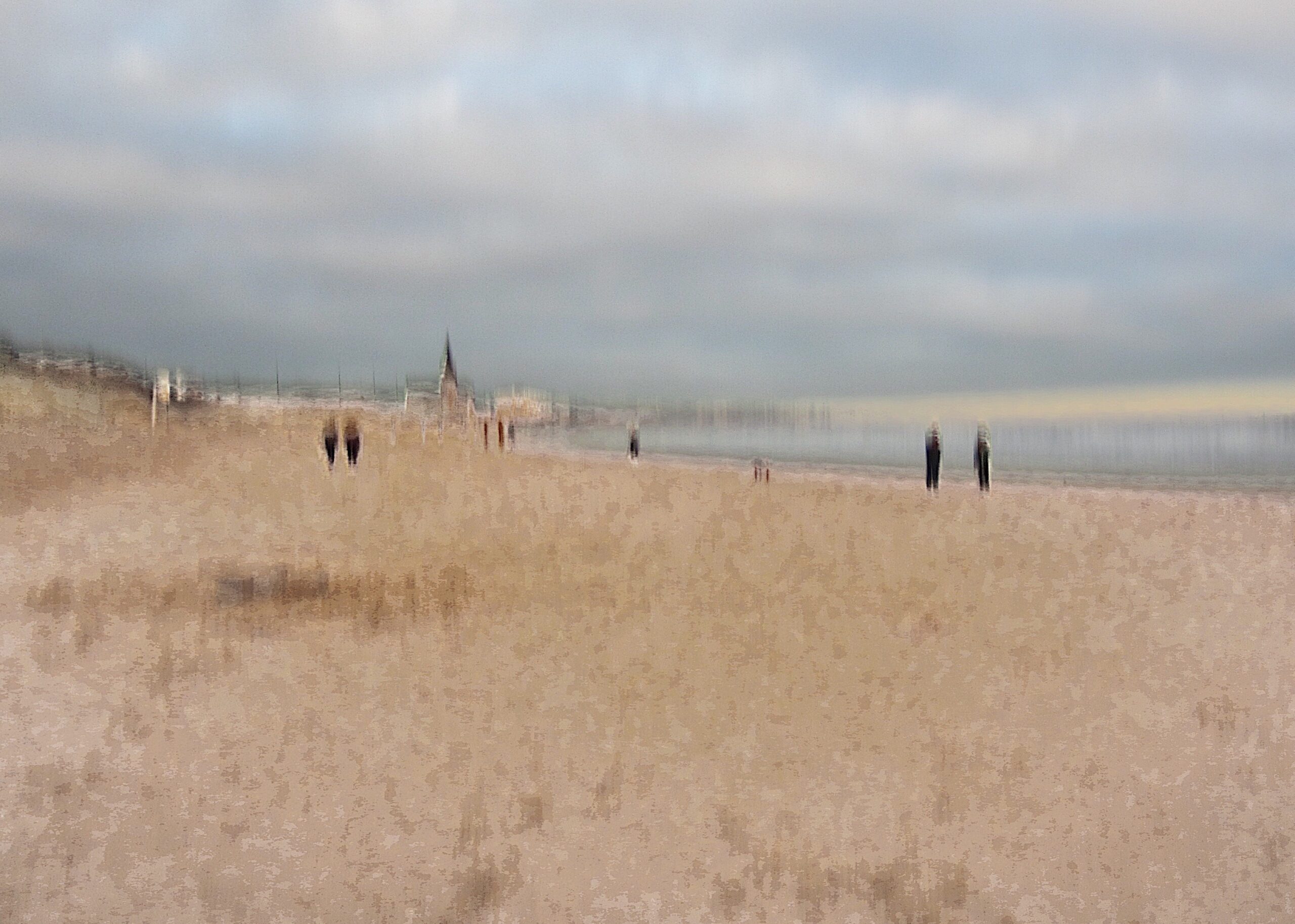
I often think about this when I'm with my husband. He's a good storyteller, with beautiful, slightly old-fashioned English, full of metaphors. When we met, I would listen to his phone conversations and not understand a word. Gradually I began to understand more, and then to notice the phrases themselves. How many layers of the person I live with do I miss simply because I'm a foreigner?
I joke that this wonderful incomprehension saves us from eighty per cent of our arguments. I'm grateful for it, and I'm willing to pay the price. There is an admission in that joke: it can feel good not to understand something. I can love someone and value the gaps in what I know about them. Then I hear that familiar voice a little more clearly, and discover something I'd never noticed before.