Limanchik, 2016
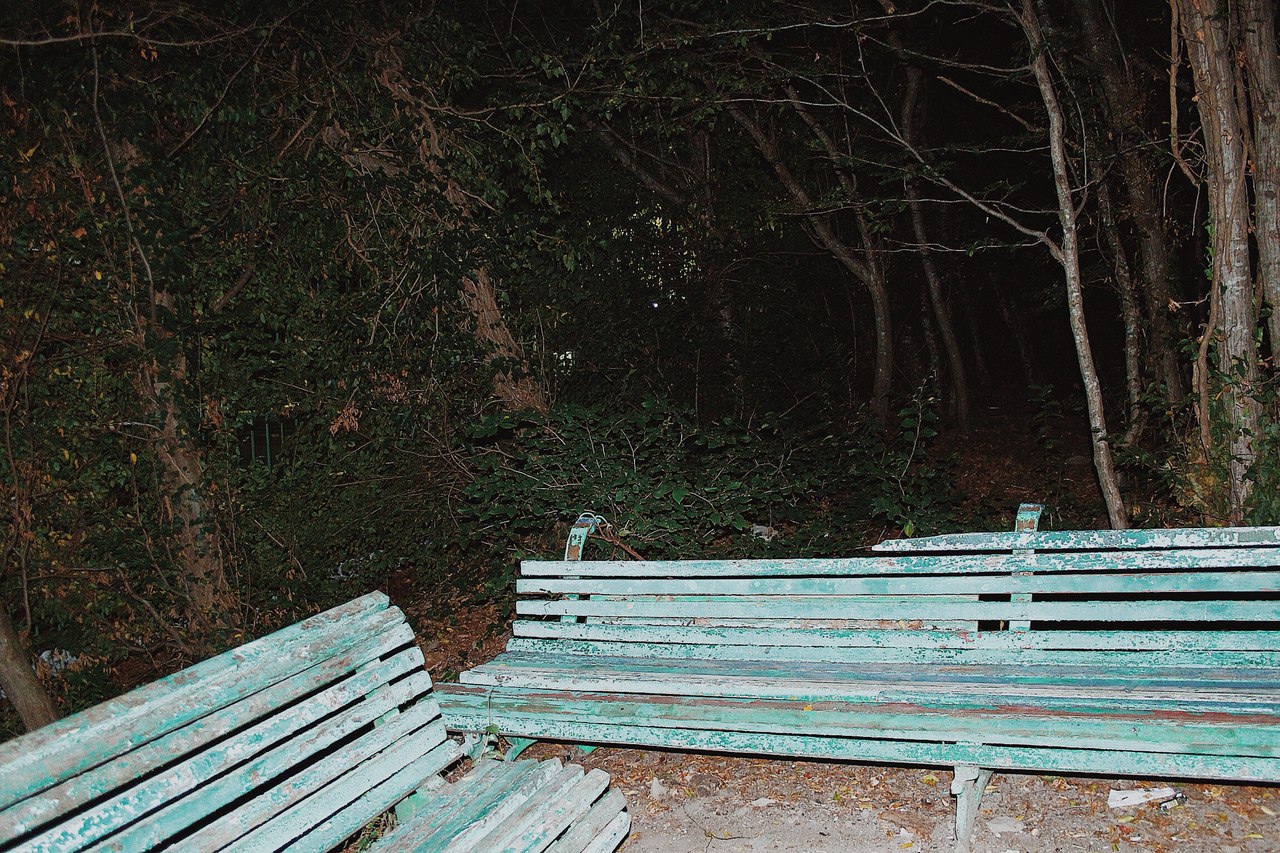
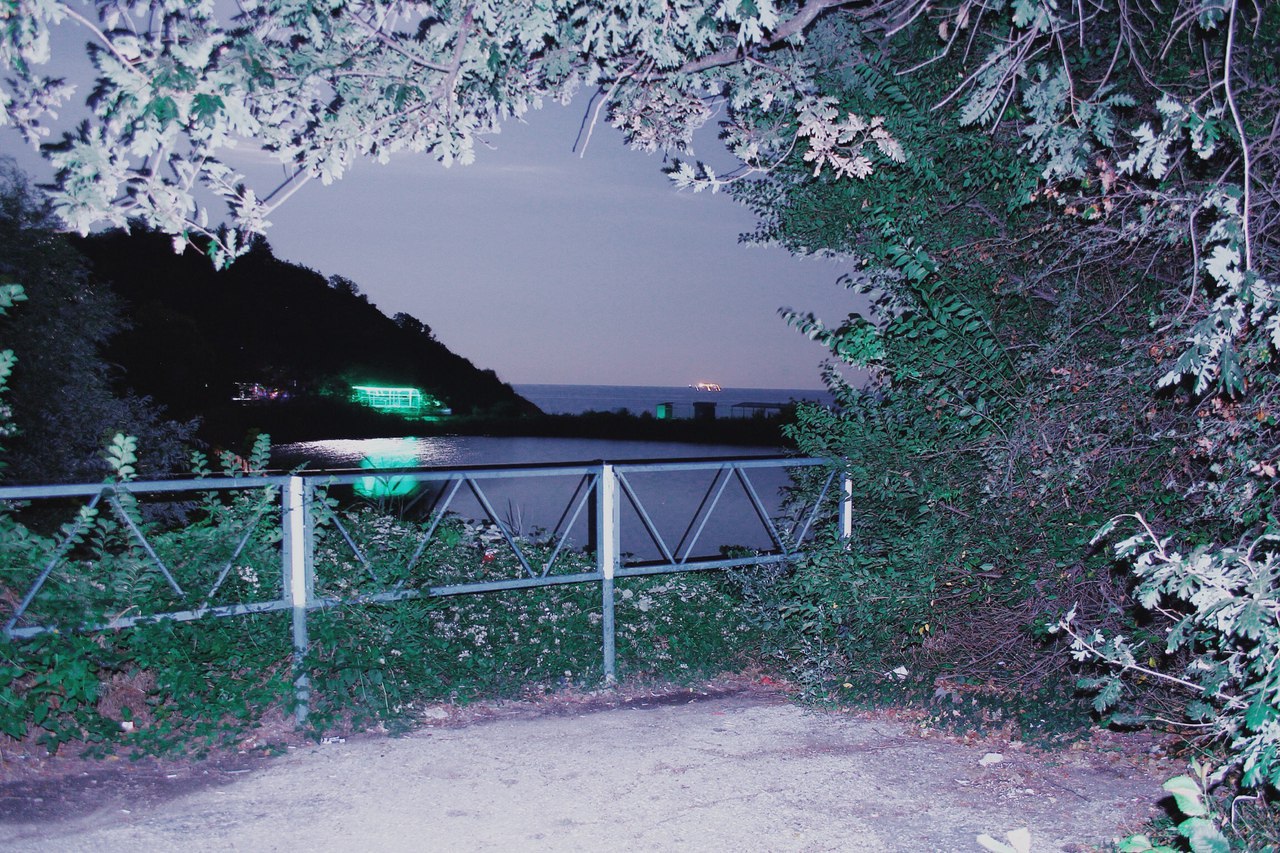
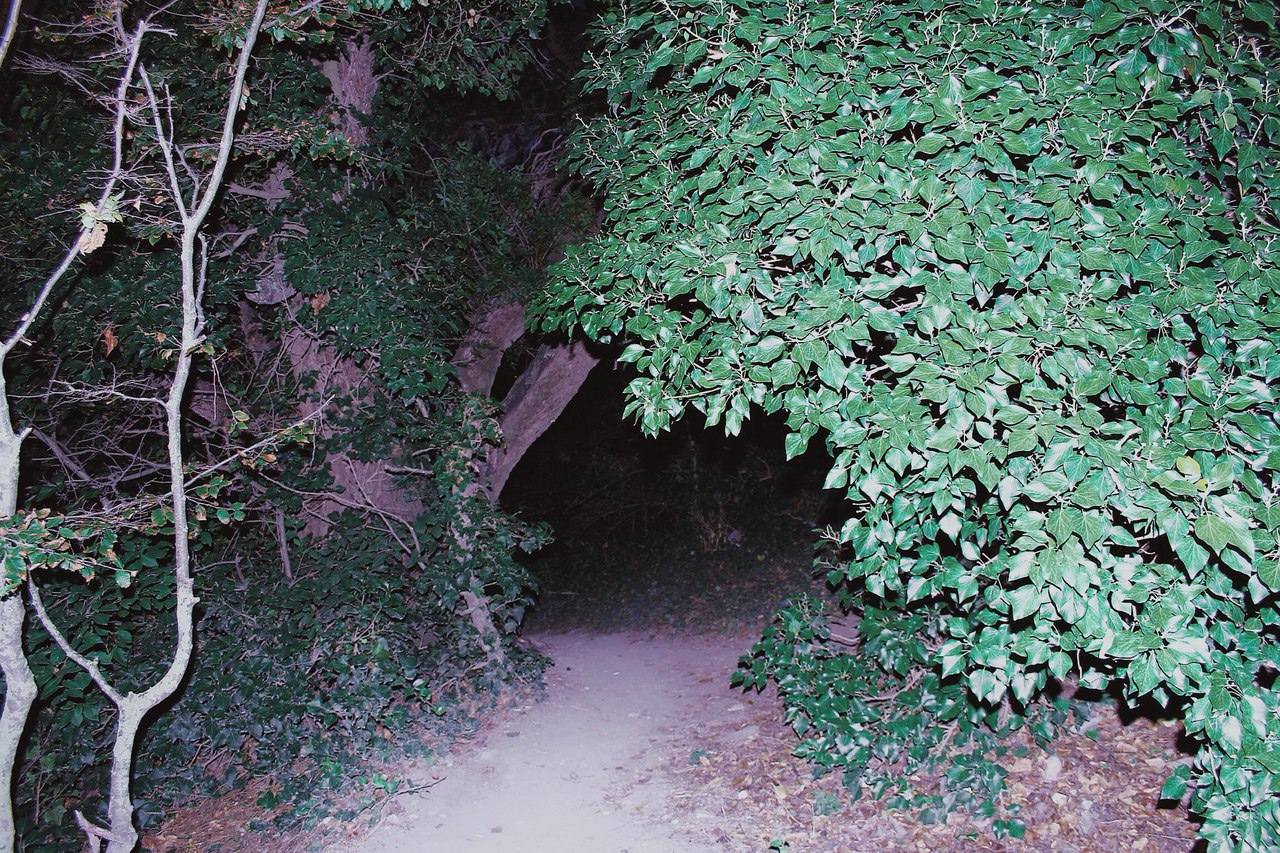
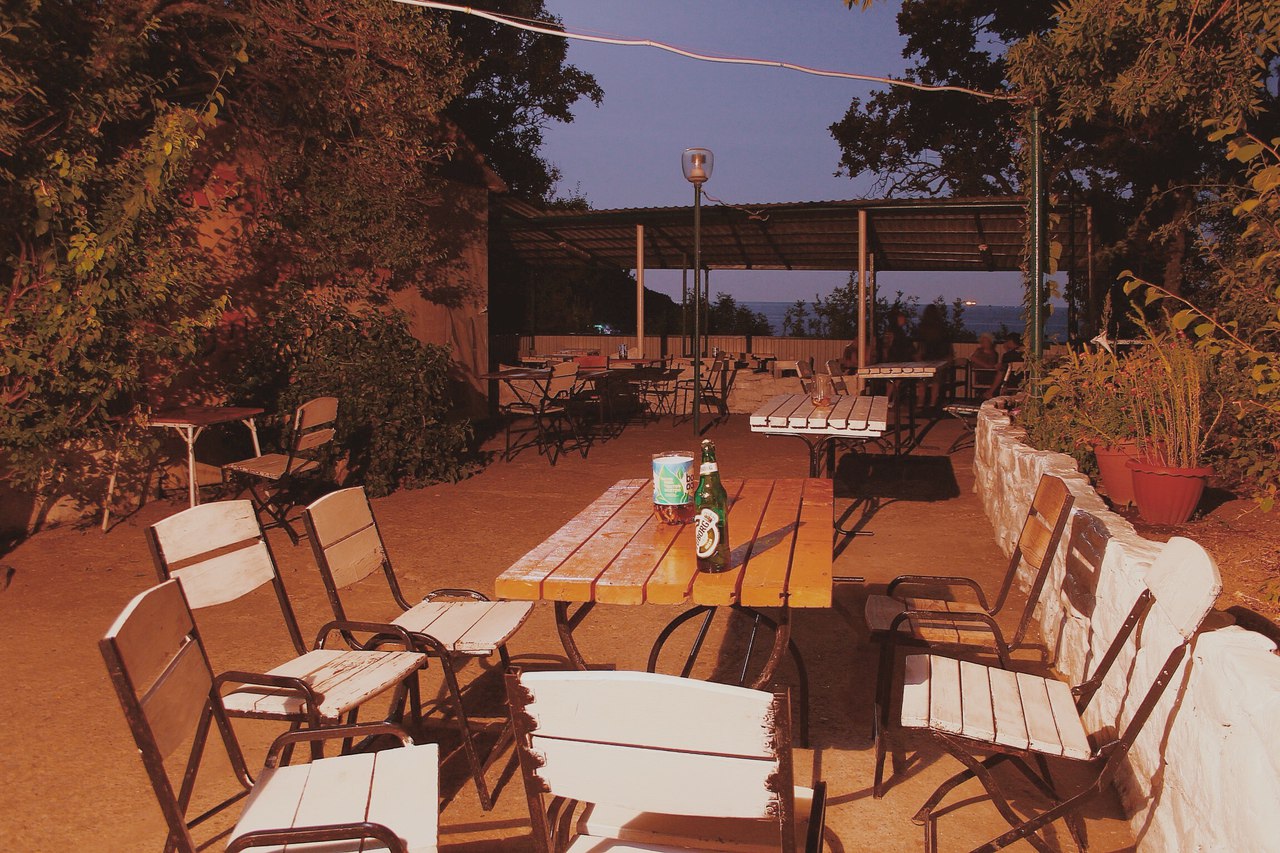
Eight digital photographs, made in 2016 and assembled as a project in 2026.
Limanchik is a place on the Black Sea coast that for decades existed in a grey zone between a university recreation base and an informal tent settlement. Campers had no formal right to the territory or its infrastructure. Decades of use allowed them to shape both. They named sites, established rituals, and organised shared life while the university enforced its rules selectively. Democracy at Limanchik took the form of this daily negotiation.
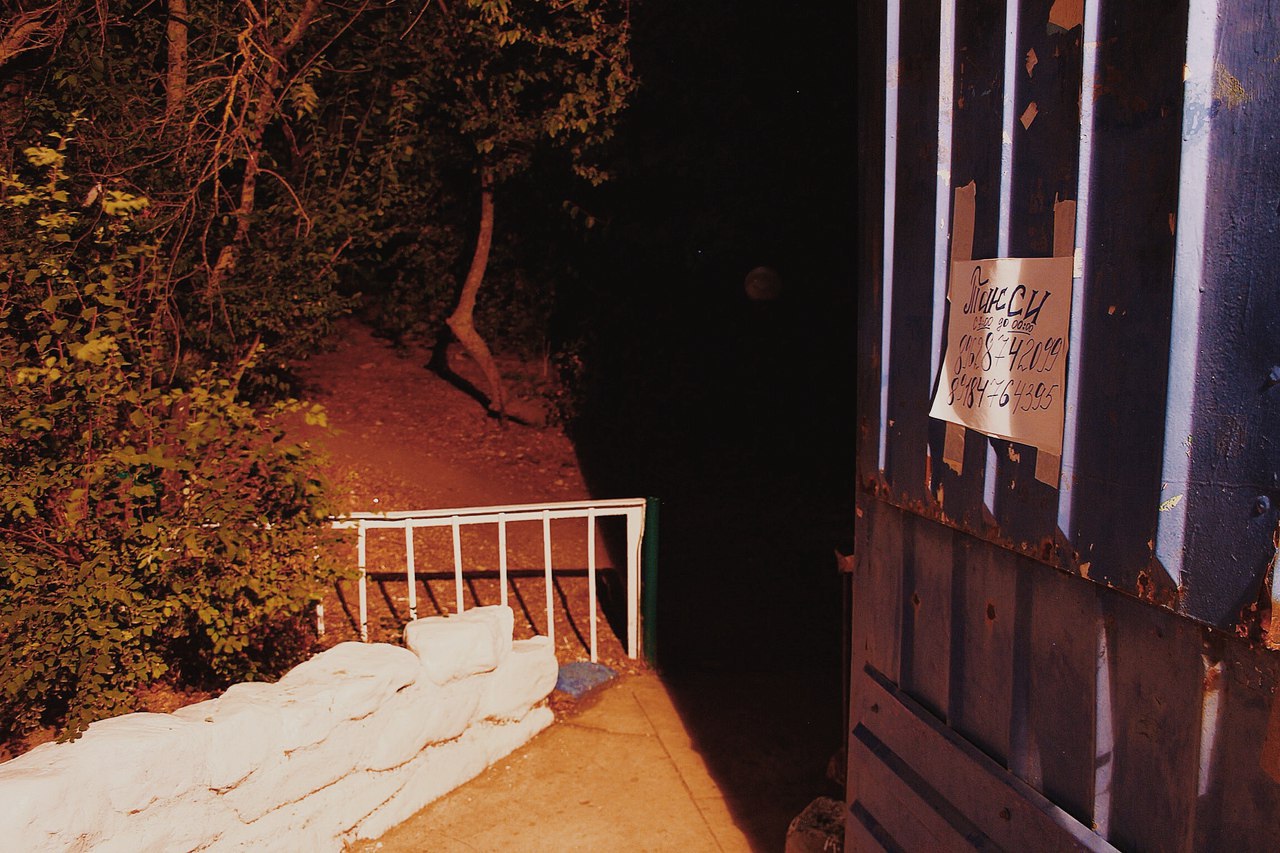
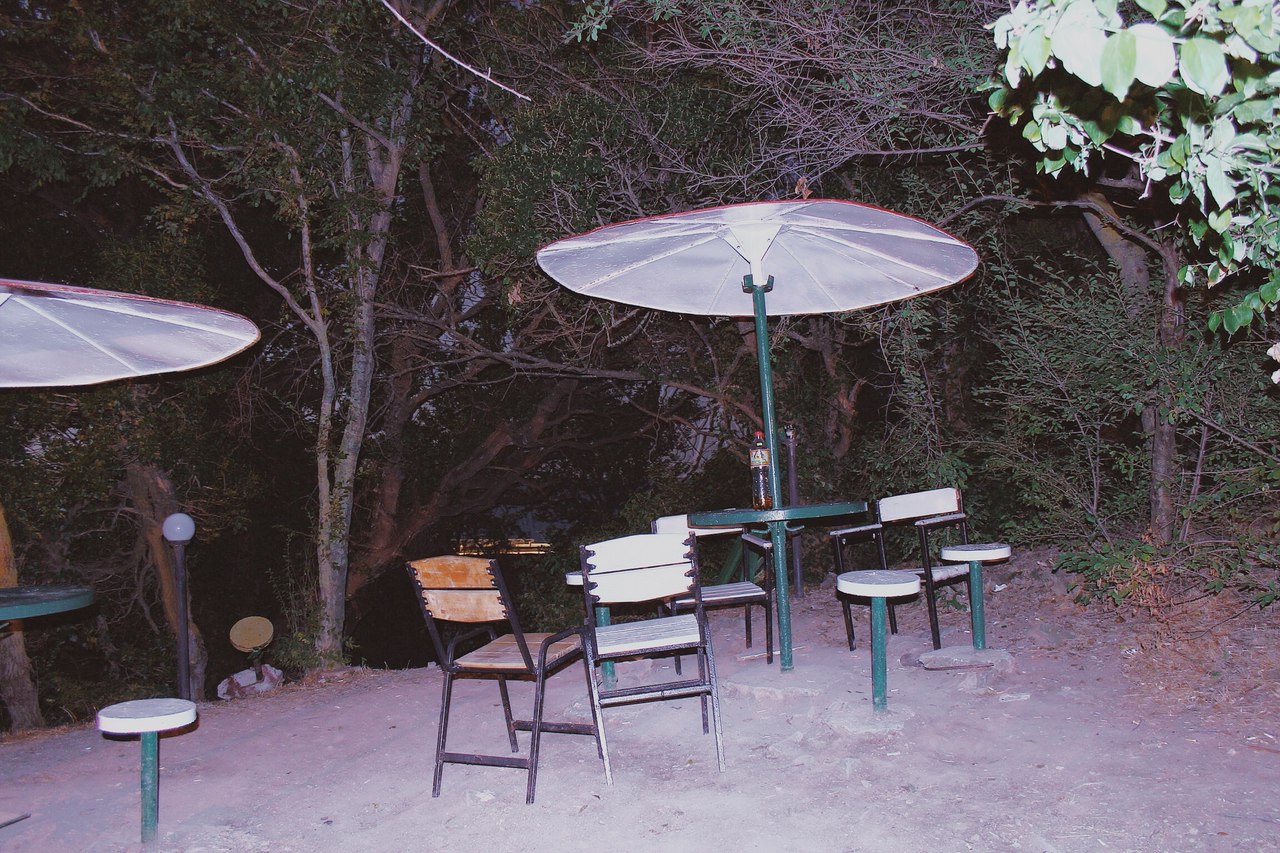
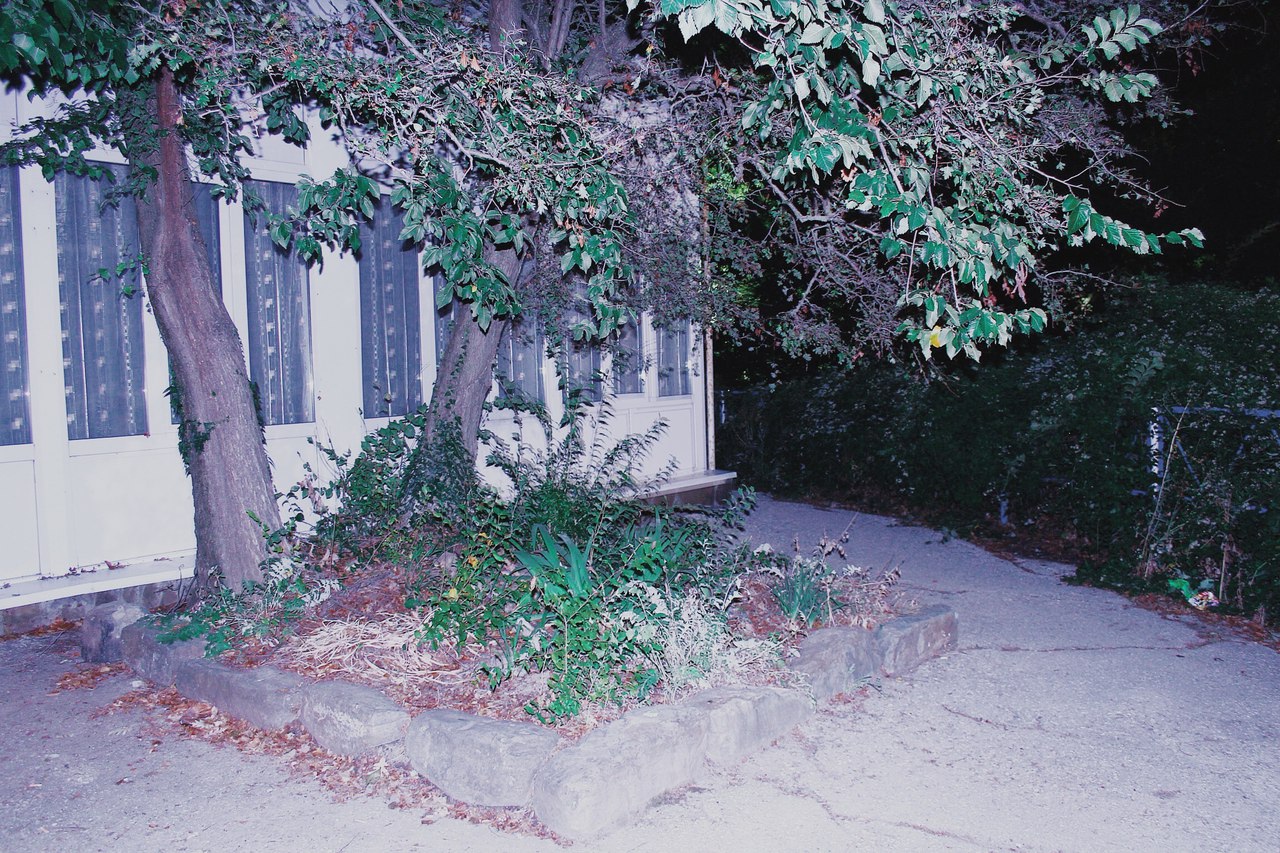
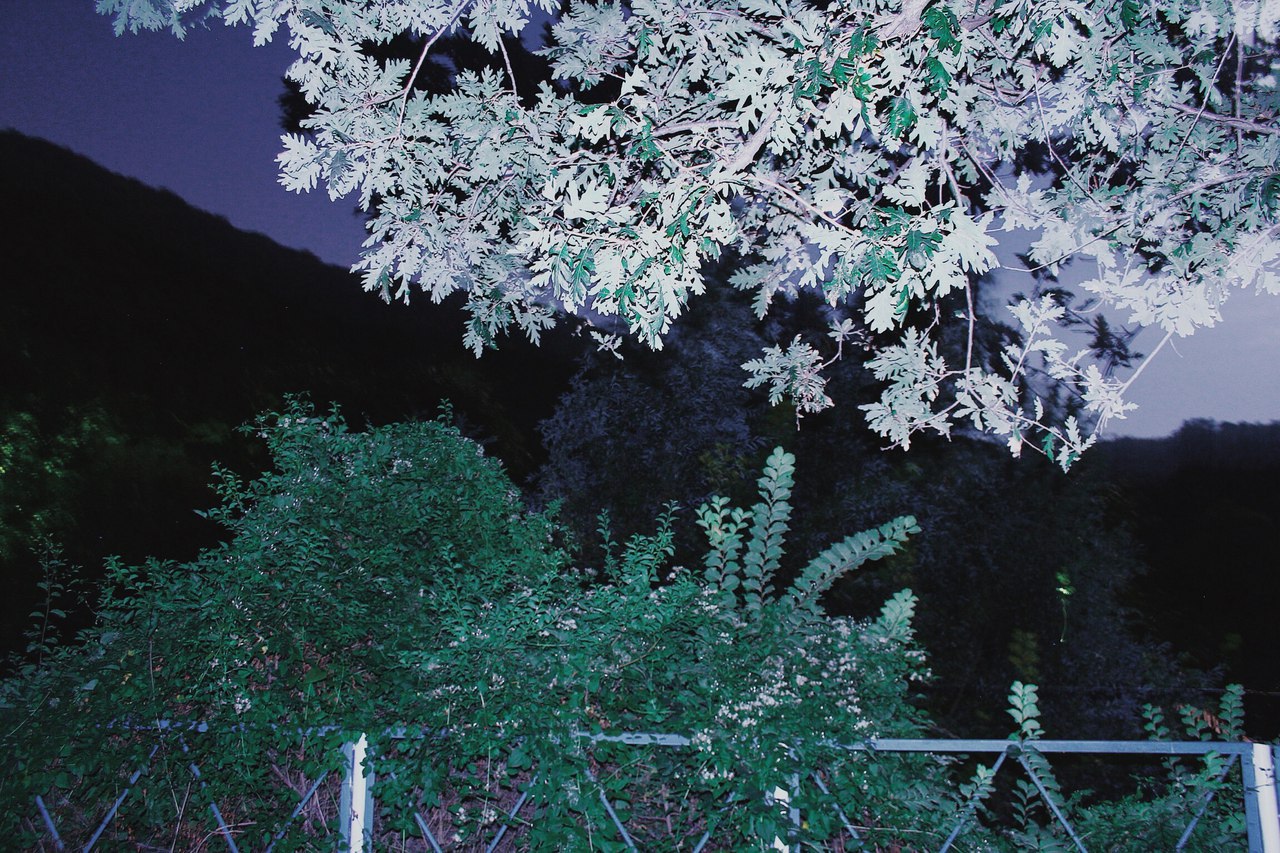
In 2016 I returned for the last time. I had spent a large part of my youth there. By then I had almost stopped drinking and felt detached from the social life that had once connected me to Limanchik. One night, after everyone had gone, I walked through the empty camp and photographed its tables, chairs, railings, pavilions, and paths with flash. The place remained while my participation in it had ended.
Over the following years, the grey zone narrowed. What had been shared without being formally defined acquired categories and prices. Accommodation was modernised. Parking became paid. A barrier and access passes regulated entry. Environmental and fire-safety rules restricted camping. These measures addressed real pressure on a fragile landscape, especially waste and fire risk. They changed the relationships that had allowed the university base and the tent settlement to coexist.
Looking back, I see three endings unfolding at different speeds. My youth and my place within Limanchik were ending. Limanchik was losing the informal arrangement that had sustained its social life. The sense of possibility I associated with 1990s and 2000s Russia was closing too. The physical site survives. The compromise that allowed the university and the tent settlement to share it has almost disappeared.