Pinkie Industrial
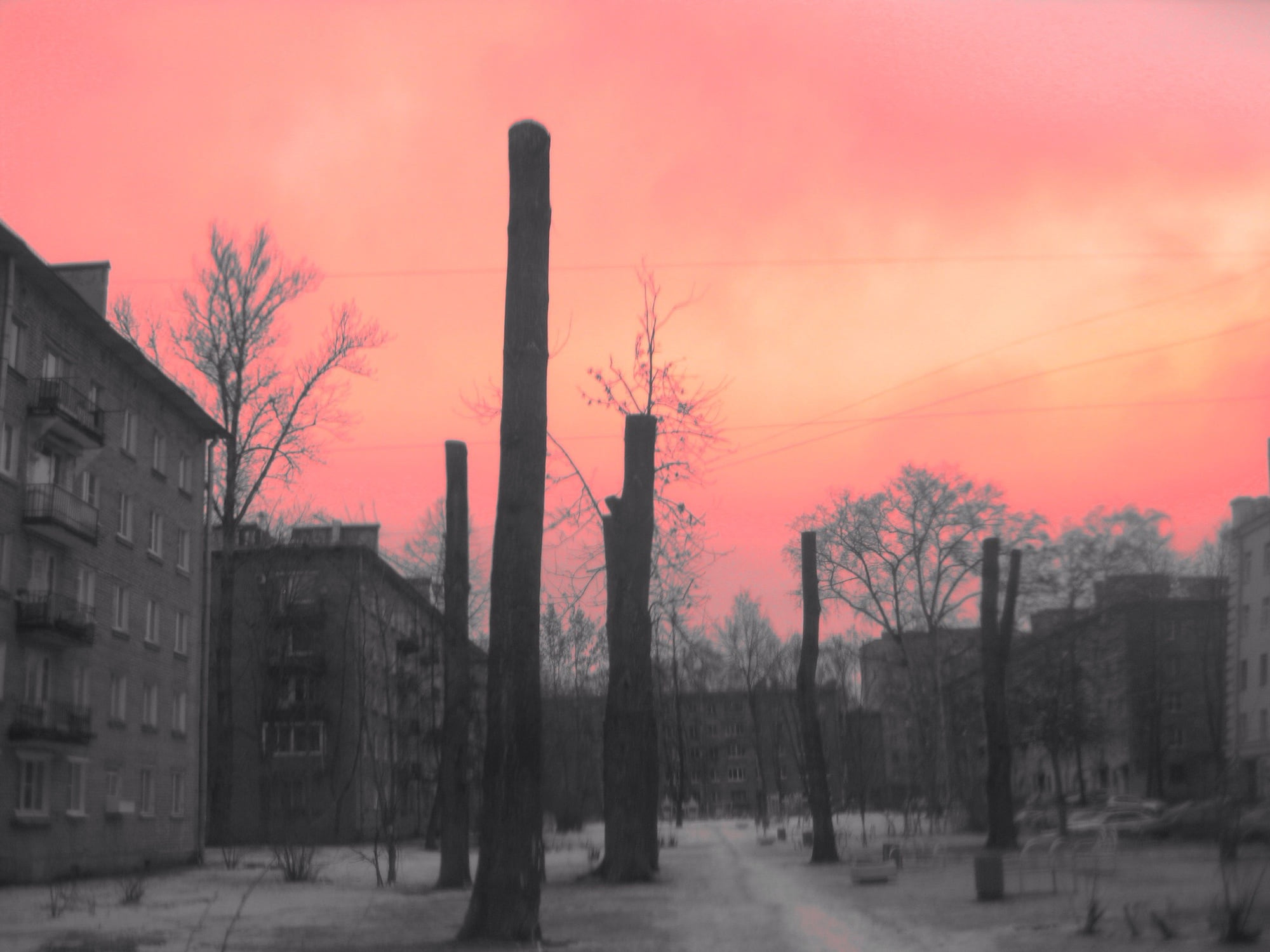
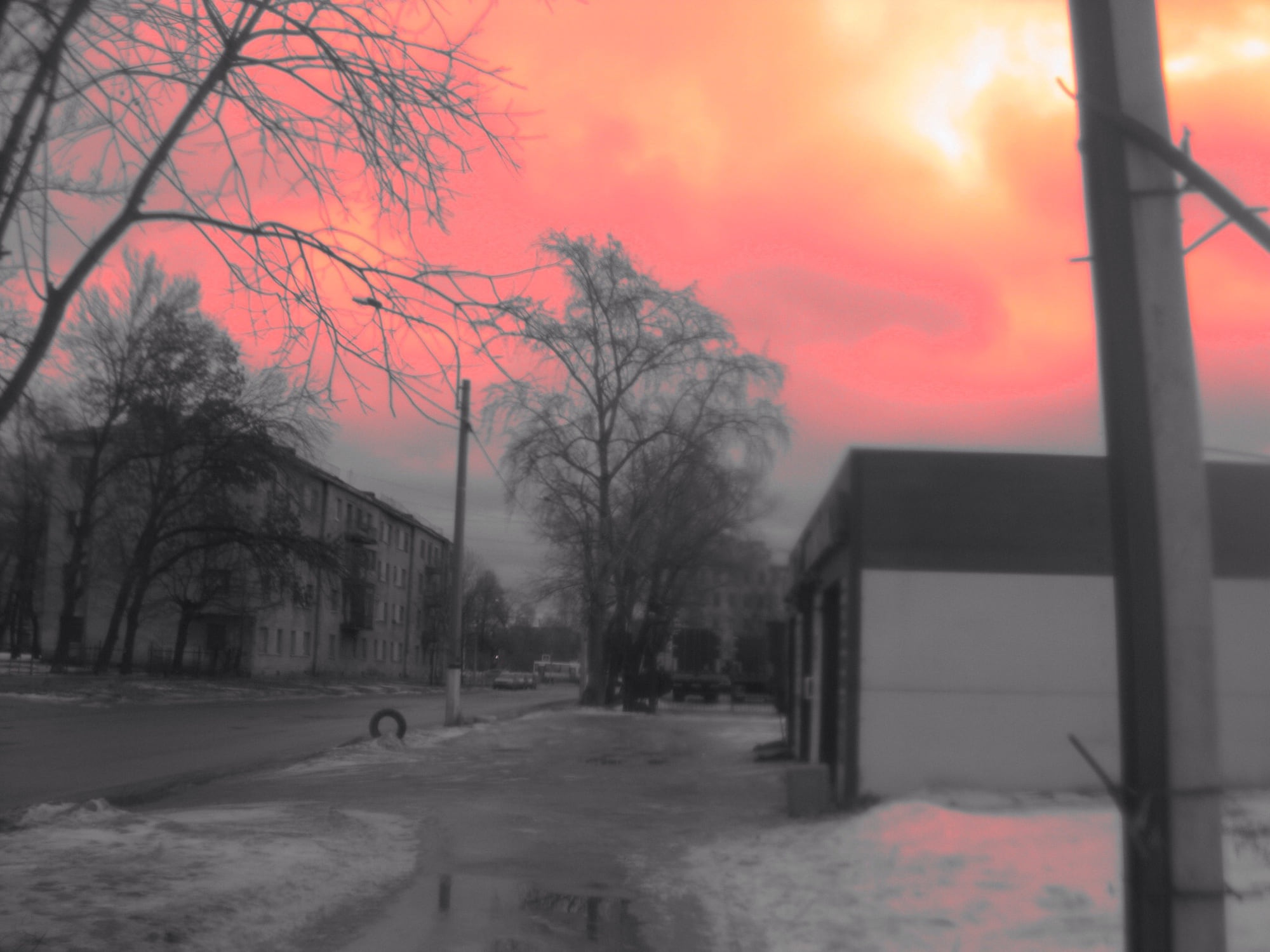
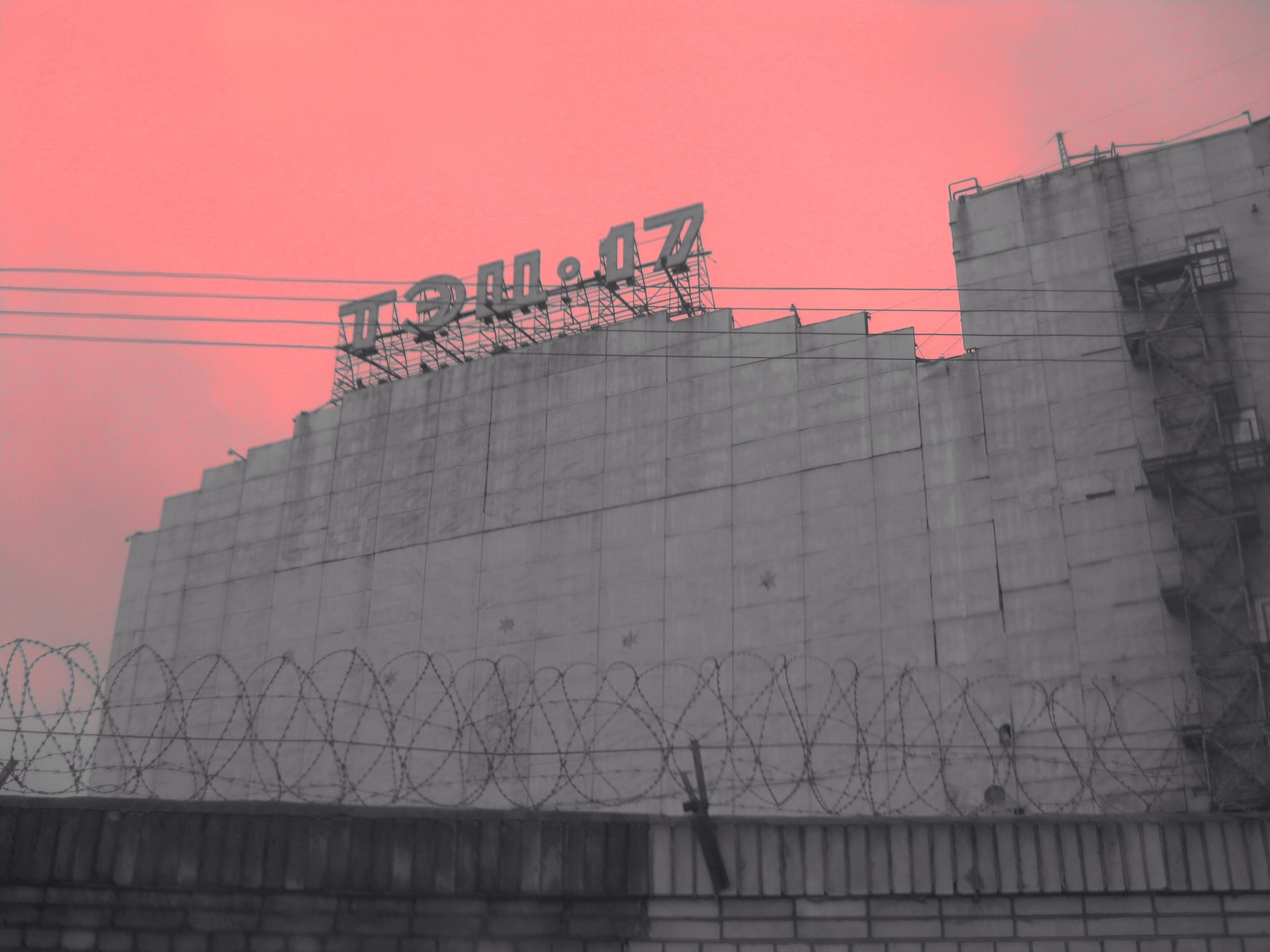
I don't remember why I was in this part of St Petersburg. I must have had something to do there, but I have forgotten what. The photographs give me a few clues about where I went: a bathhouse, some apartment buildings, a cinema, a power station. There is snow on the ground. I was walking, stopping and taking pictures. The sky is pink.
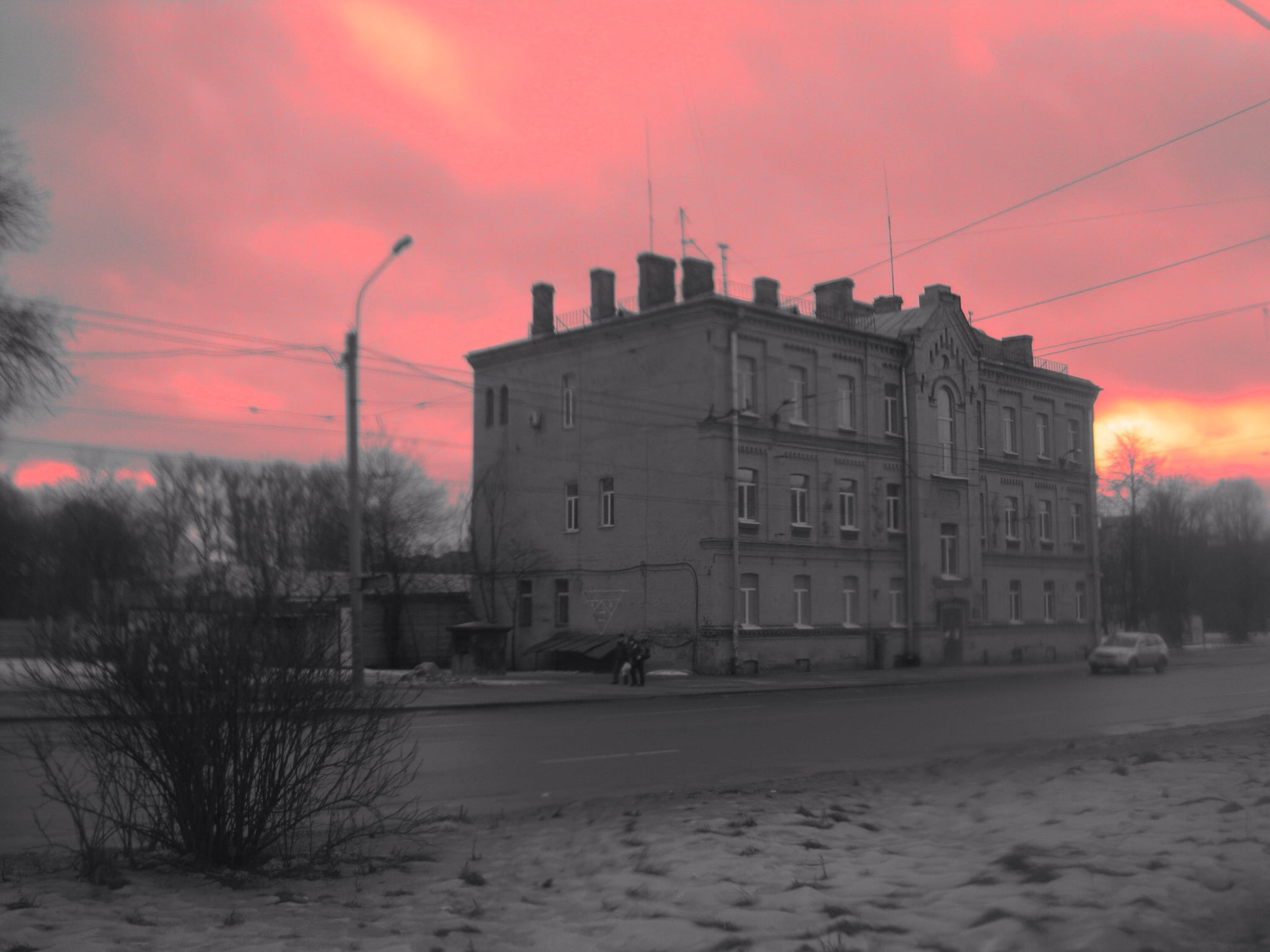
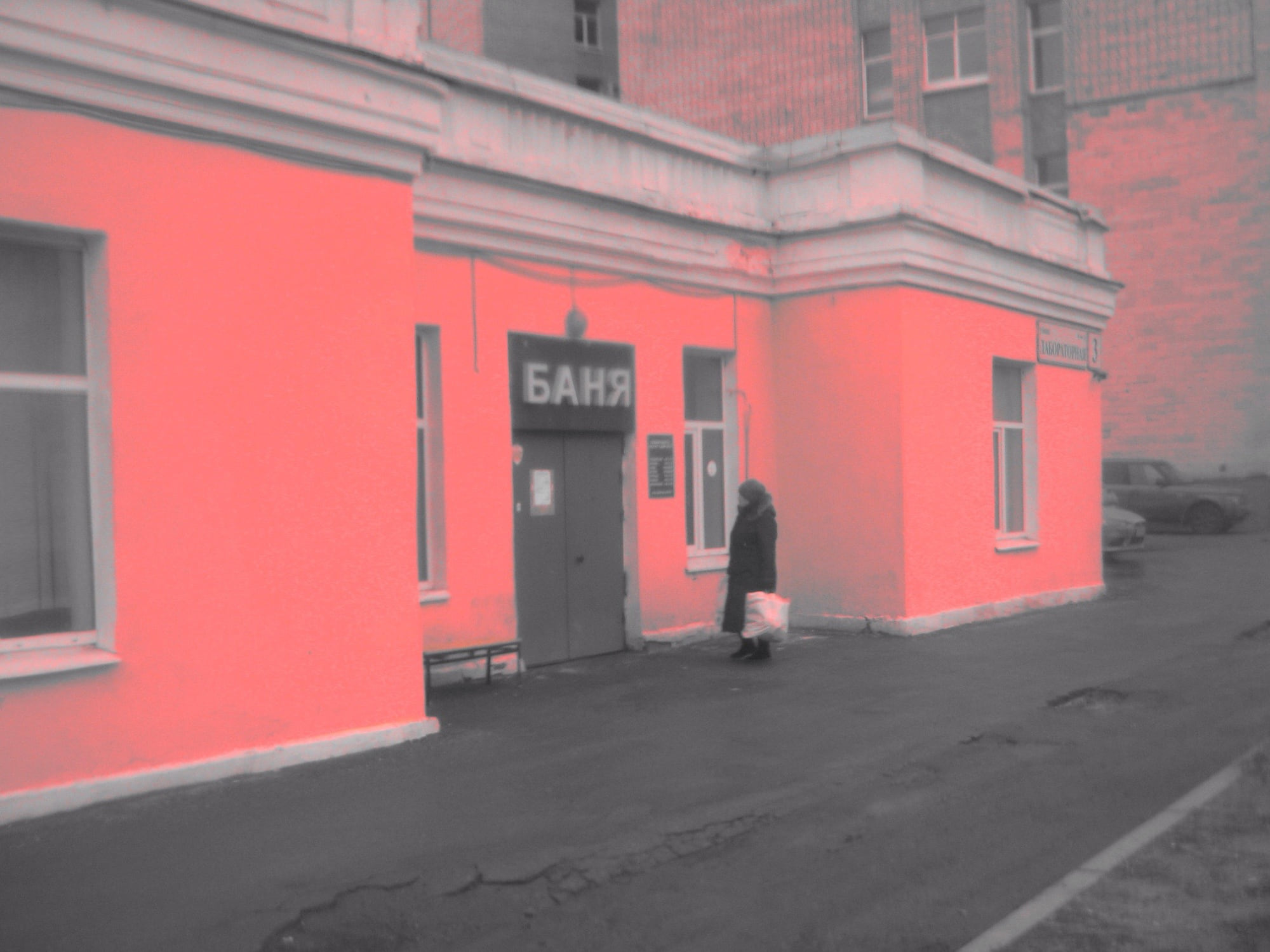
There is a woman standing outside the bathhouse, looking at the closed door. Something about her seems to belong to another time. I start by thinking of 1950, then change my mind: perhaps 1905. It is an impression I get from the whole scene, the figure and the building together.
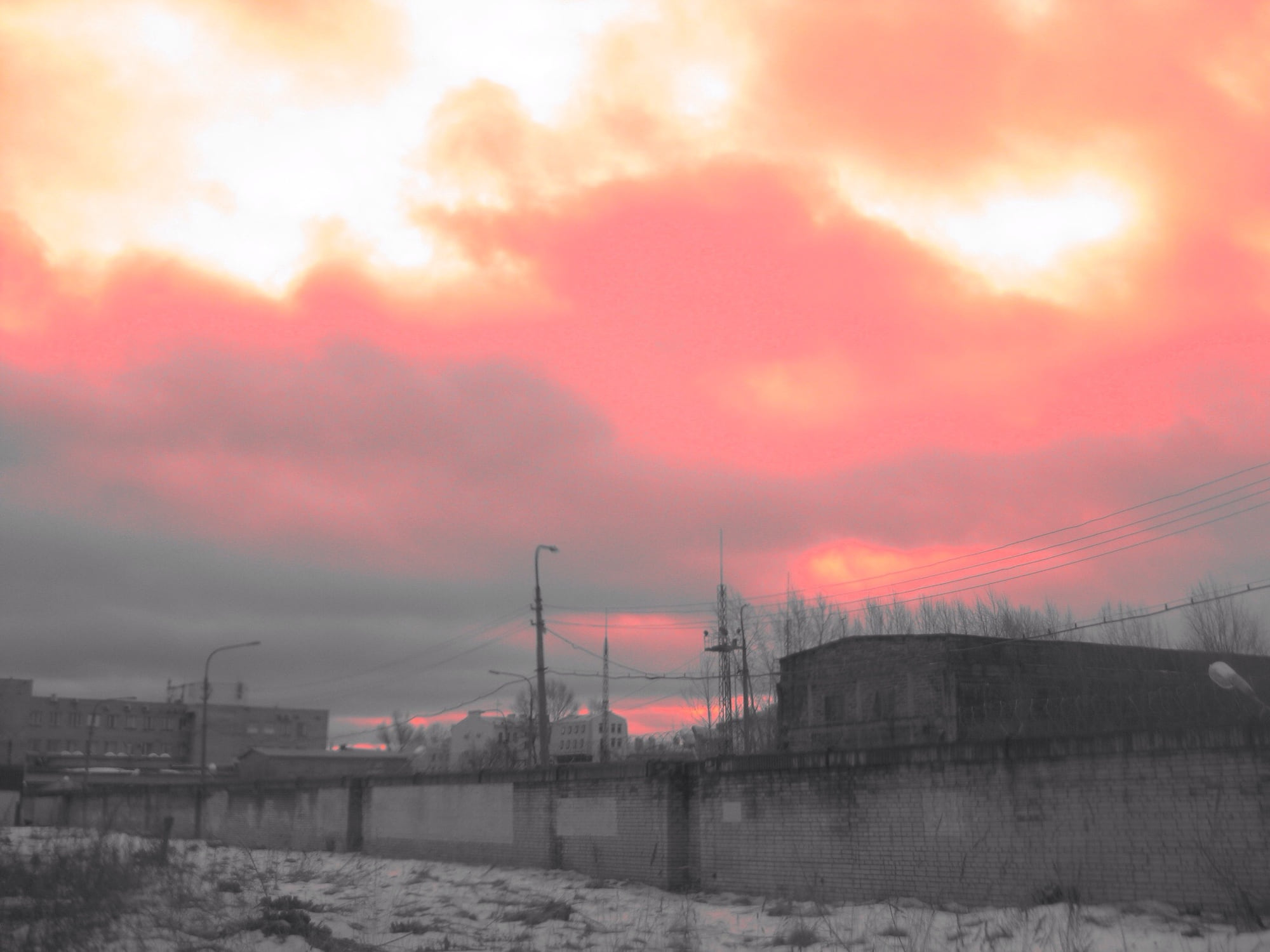
Looking at the photographs again, I began trying to put names to the places. The bathhouse is on Laboratornaya Street. There is Gigant Hall, a former cinema near Kalinin Square, and the building with «ТЭЦ-17» written across the roof: a combined heat and power plant. These give me a few definite points on the map.
This is a part of the city where factories, housing and places for ordinary life grew alongside each other. The power station supplies both industrial buildings and homes. People go to the bathhouse. The enormous cinema later housed a casino and a concert hall. Work, warmth, washing, entertainment: looking at the buildings together, I wanted to know more about how a whole neighbourhood was put together. Different generations of buildings stand alongside each other, and their uses change. The cinema is a particularly good example.
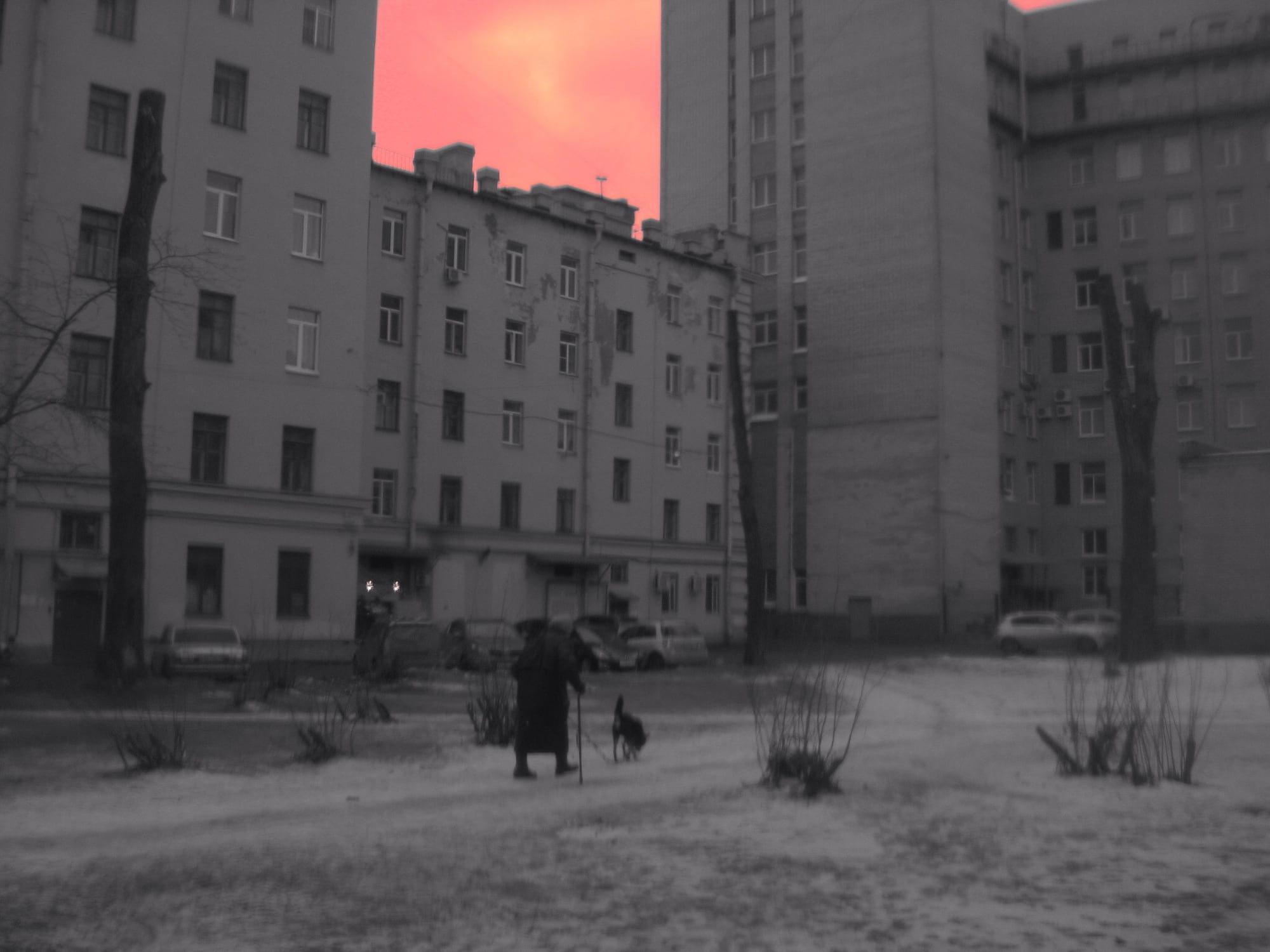
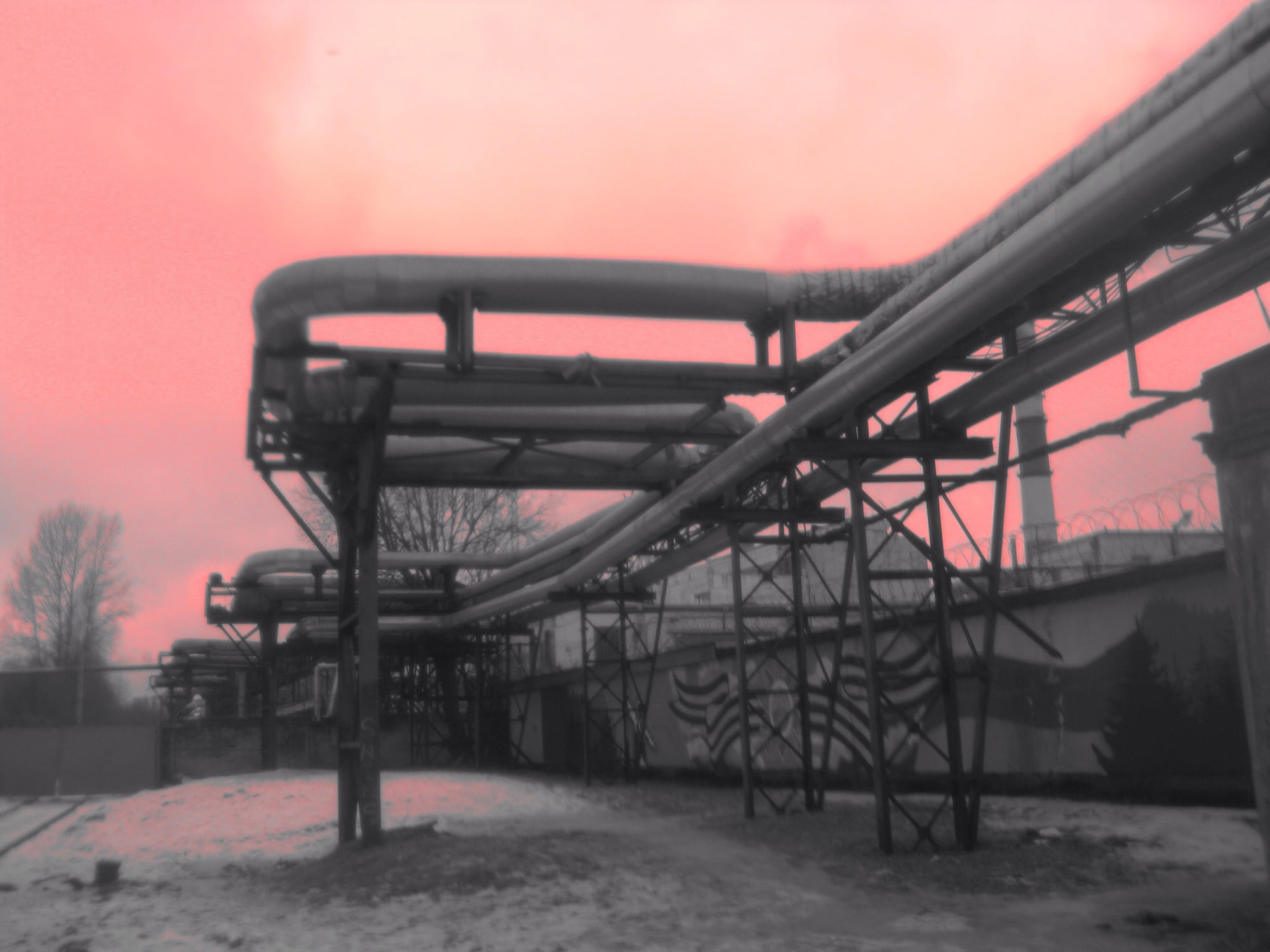
But the fact that a power station keeps people warm doesn't make the wall and its barbed wire pleasant to look at. There are dull façades, heavy buildings, fences, dirty snow. I am especially drawn to the courtyard with the cut-back trees. They stand there with these blunt, bare ends. There is something very bleak about the place.
Then there is all that pink. It occupies a great deal of the picture, and it gives me an immediate pleasure. The buildings and fences are still there. I can find the place ugly and want to keep looking at it. I can like the pink sky and the woman outside the bathhouse, and still feel how uninviting the street is. The bathhouse wall has turned pink too.
I think these photographs have something to do with why I love Russia. I recognise my own sense of beauty in them, although I find it difficult to explain exactly what I recognise. Things I find beautiful and things I find ugly are there together. I don't finish looking at one before I begin feeling the other. Sometimes I wonder whether there is something beautiful in the place itself, or whether I have brought so much of it with me, in the way I photograph it. Is there something beautiful there? Is there nothing beautiful there? I keep returning to the pictures.
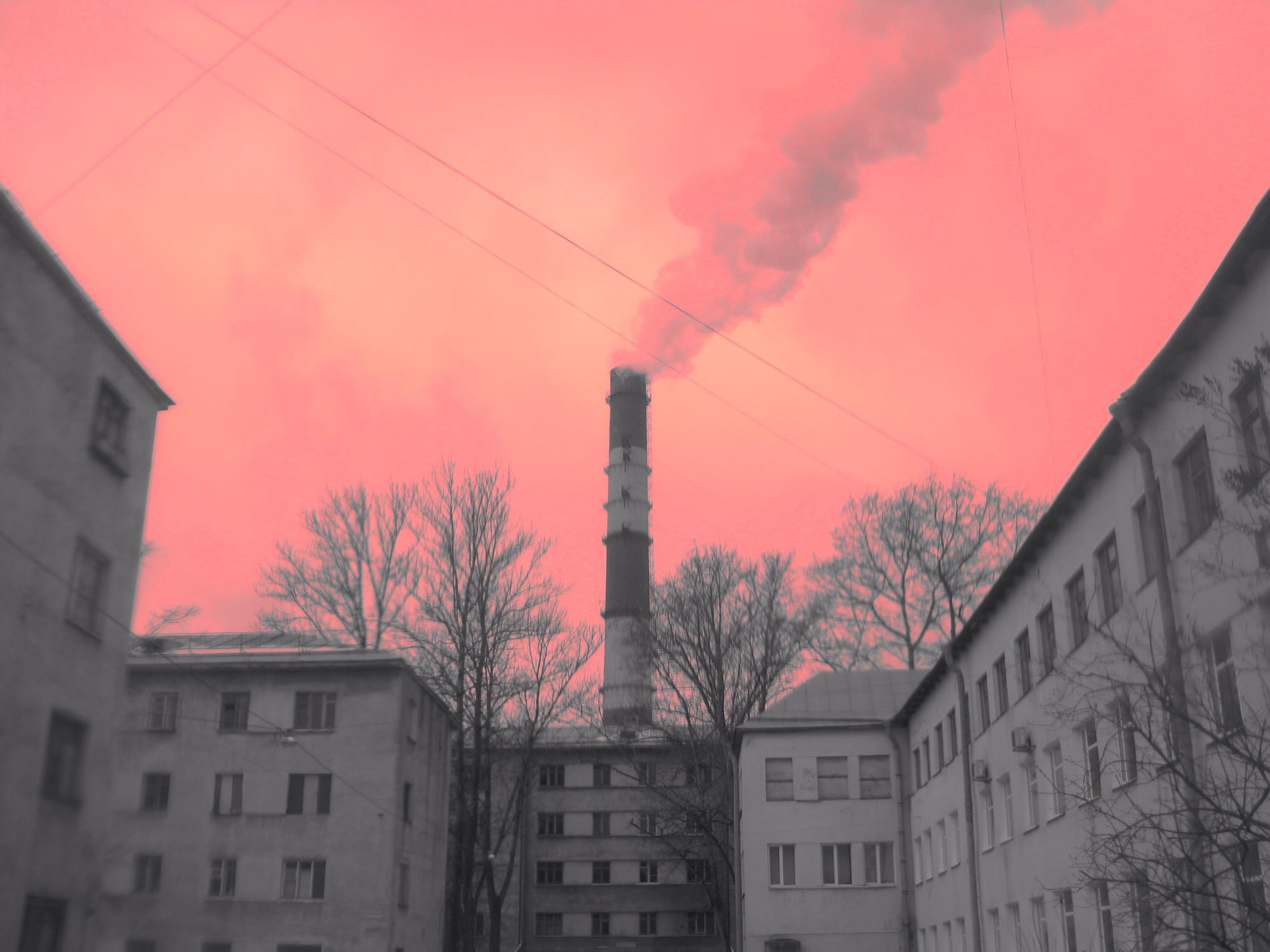
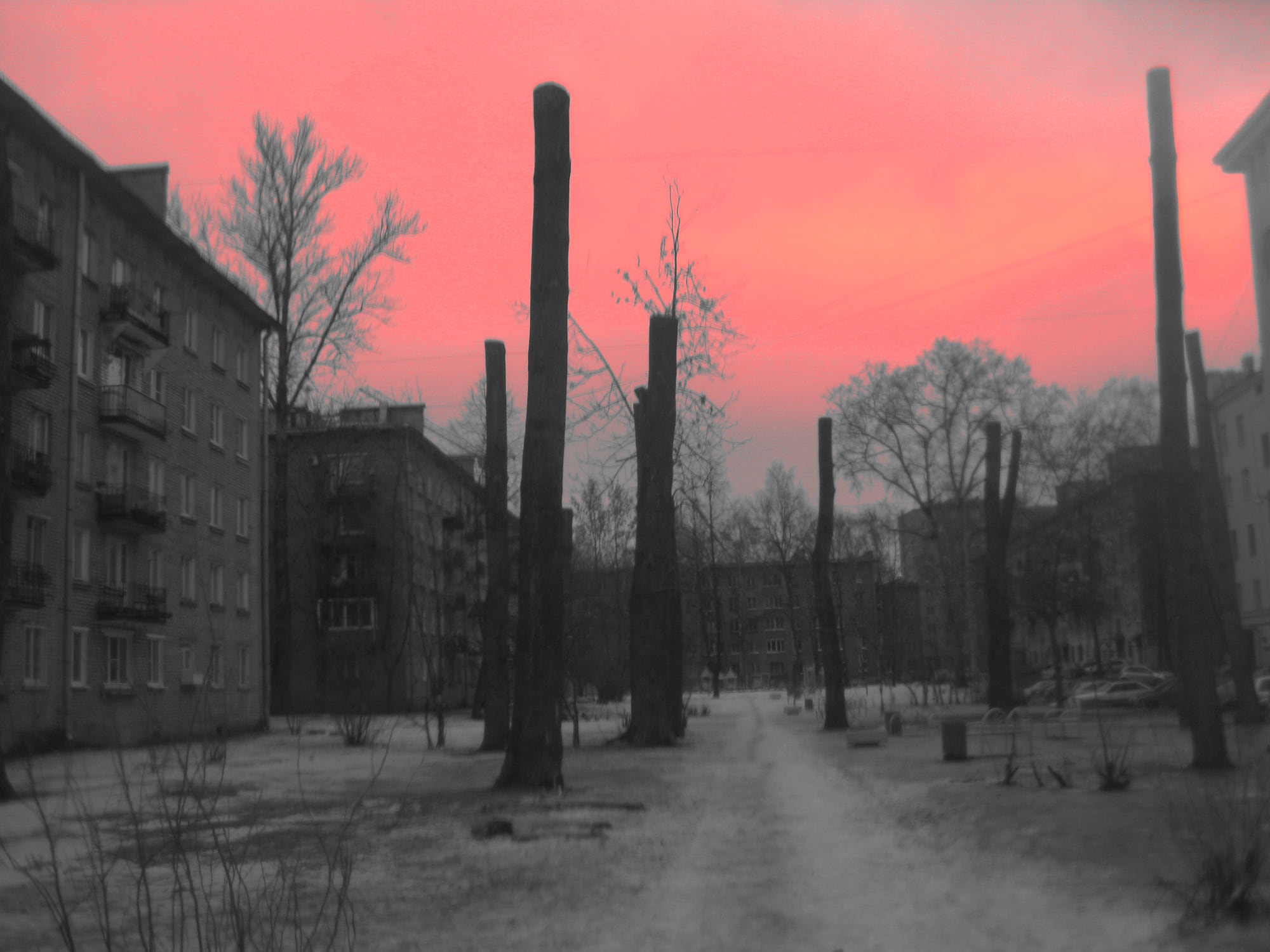
By the time I took them, I already had my orange. I had discovered an unexpected effect in a small Canon camera, using a coloured filter together with one of its colour modes. Part of the image stayed black and white, while orange and yellow appeared elsewhere. I didn't quite understand what the camera was responding to. I could see that it reacted differently to different shades, but I couldn't explain its choices. I started photographing with it anyway.
At some point I discovered that changing the colour selection could turn the orange into pink. Drum roll, pause. The orange turns pink.
My God, what could be more charming? Show some people two versions of a picture, one of them pink, and they will like the pink one. I am one of those people. I would go on to make an awful lot of pink skies, pink leaves and pink trees. Here is one episode in that long relationship. A winter street in St Petersburg, and suddenly this colour.
It would be easy to bring my grandmother and her kitsch into this. Hello, granny, pink rose. But by then I had acquired some tastes of my own. I spent a lot of time on DeviantArt, saving pictures. I would like to look at that folder again, although much of it has been lost. Some of the images had ambitions towards sophistication. Looking back, quite a lot of my choices seem predictable. Pink could win me over very easily. It still can. I am interested in noticing that, including the slightly embarrassing parts of it.
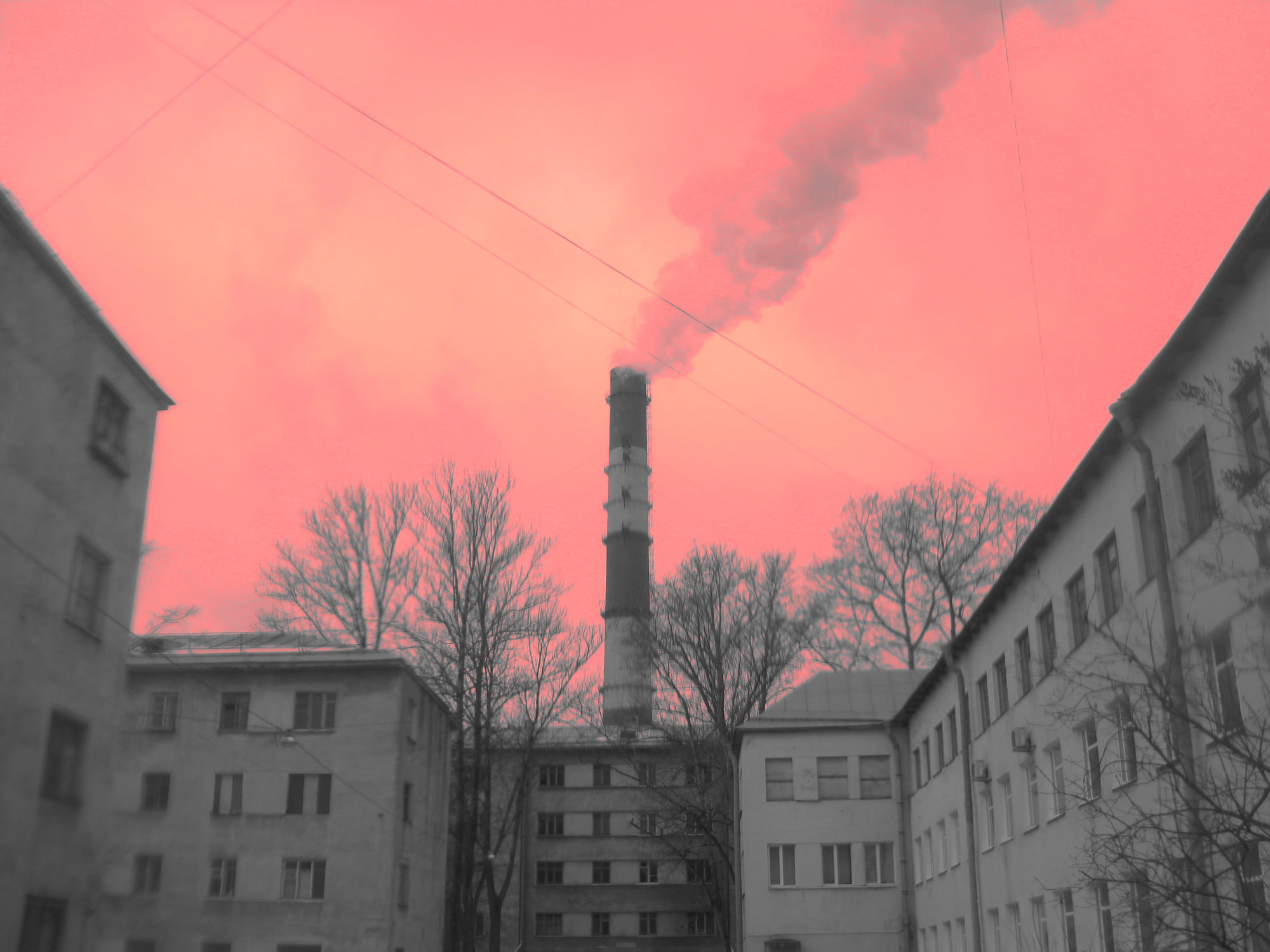
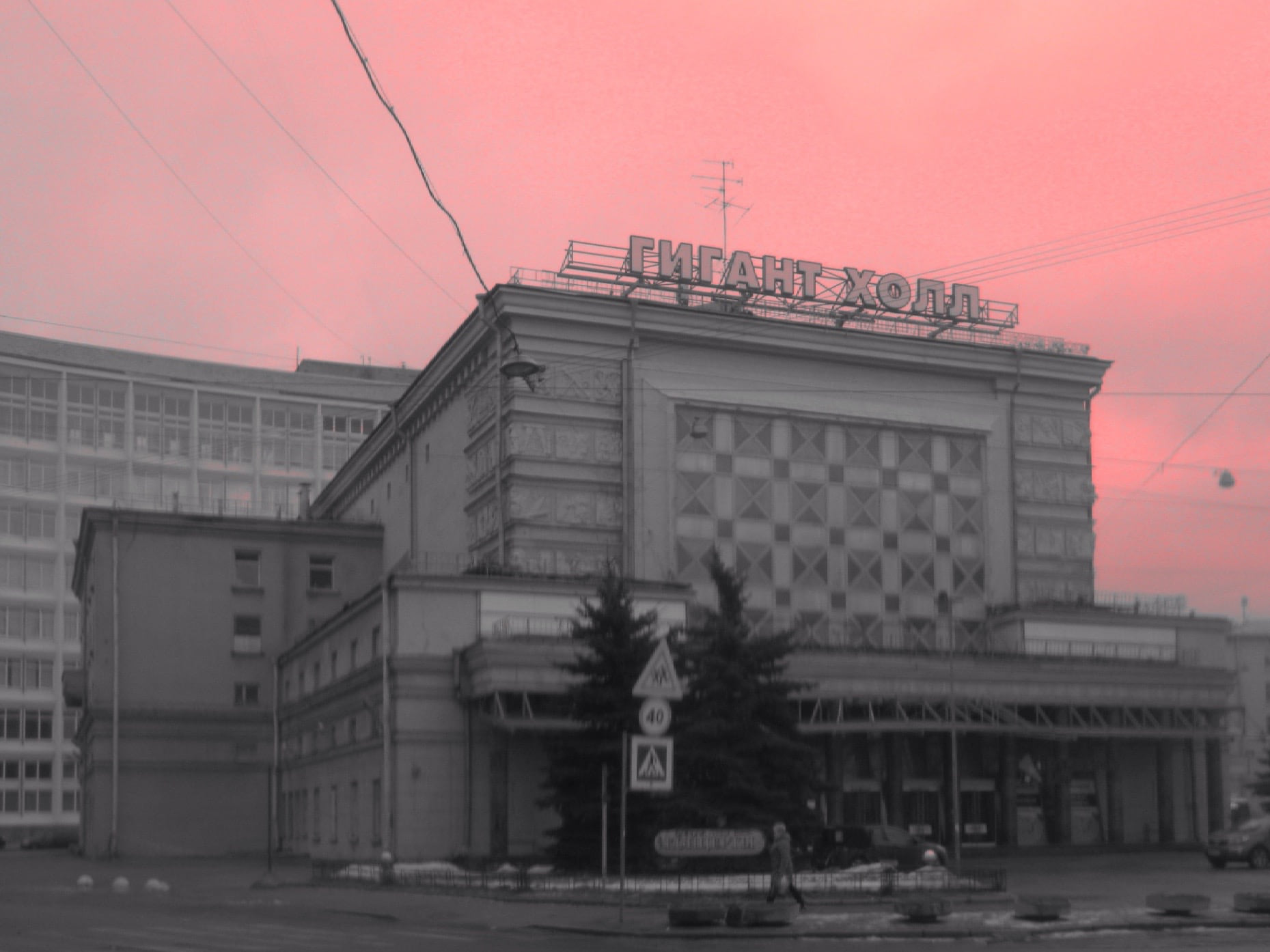
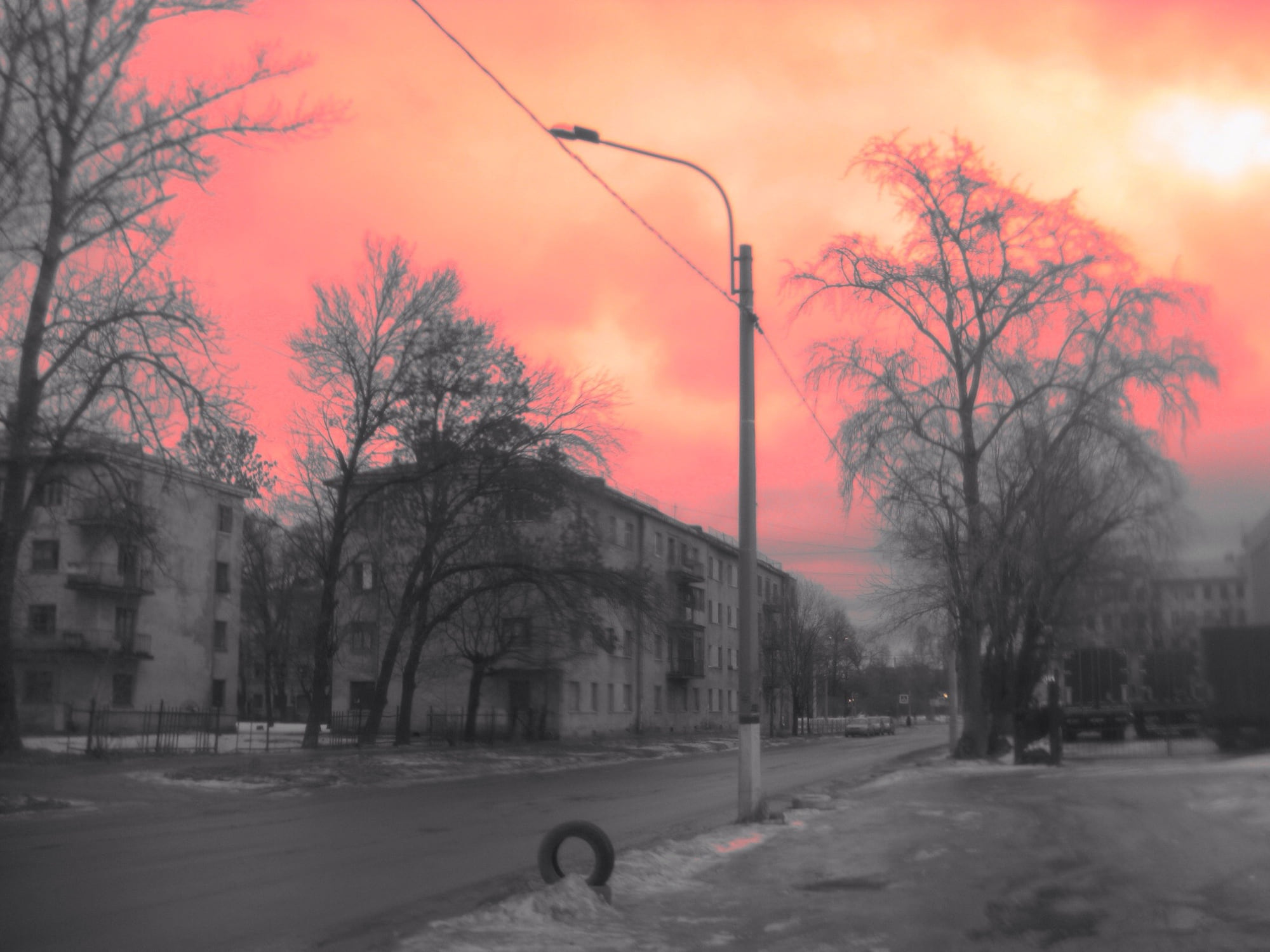
The discovery also made me secretive. I thought I had found a pearl, something nobody else knew how to do. Almost immediately I imagined an art world full of crafty people who would work it out, make pictures, promote themselves and leave me behind. I told myself I wasn't good at promoting my work. That wasn't true. I had a page on VKontakte; people saw the photographs, wrote to me and wanted me to photograph them. I did know how to get my work in front of people. What frightened me was the possibility of getting caught up in a conflict.
Sometimes I explained the technique to someone, then regretted it. Once, somebody I had told in detail began posting pictures made with it, and I was furious. I still don't know how calmly I would respond to that now. I am more willing to talk, but it would be convenient to pretend that all the anxiety has disappeared. It hasn't.
I can call that online page an illusion of sharing, then immediately remember that the responses were real. People said the photographs moved them. I wanted to feel something in response too, to take part in that connection. When I went to university in London, I remember trying to explain this: I had a practice, a studio, people who responded to my work, and I still felt as though I was sitting inside my own box.
Now I am more concerned about the stories that will stay untold while I protect the secret. This series may eventually become part of a larger project about the orange effect, but I care about these photographs on their own. There is a particular place here, and something of my sense of beauty that I am still trying to understand. I can learn the names of the buildings. I can tell you something about the camera and about my taste for pink. I can look again at the woman outside the bathhouse. And I can find this place beautiful and ugly at the same time.