A Face with a Rose
When I was starting out as a photographer, I thought a face looked better with a rose than without one. There was a beautiful face, and there was a beautiful flower. Putting them together seemed an obvious improvement. I liked the flowers quite sincerely. The irony belongs to the way I tell the story now.
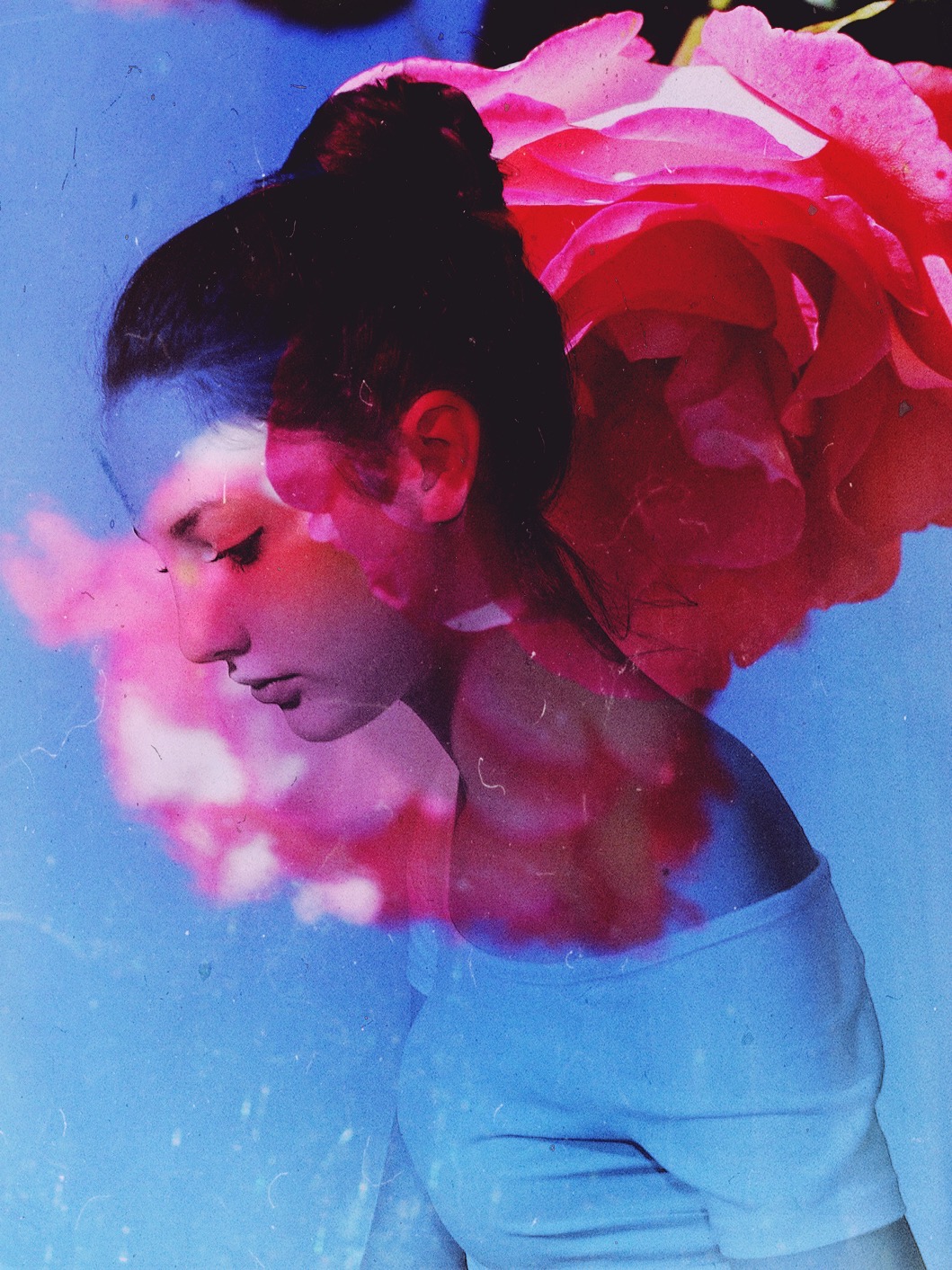
I wanted plenty of things in a picture, and I wanted them to be beautiful. A rose could grow larger than a head. Flowering stems could run through a hand and continue across a shoulder. Sometimes I gave a person almost a whole garden. I enjoyed the abundance, the extra colour, the possibility of adding another thing I liked.
Looking back, I can see my grandmother’s taste in these pictures. Flowers, pink, red, roses: she gave me a very direct vocabulary of beauty. At the time, I was absorbed in making the portraits. The connection with her became clearer to me later.
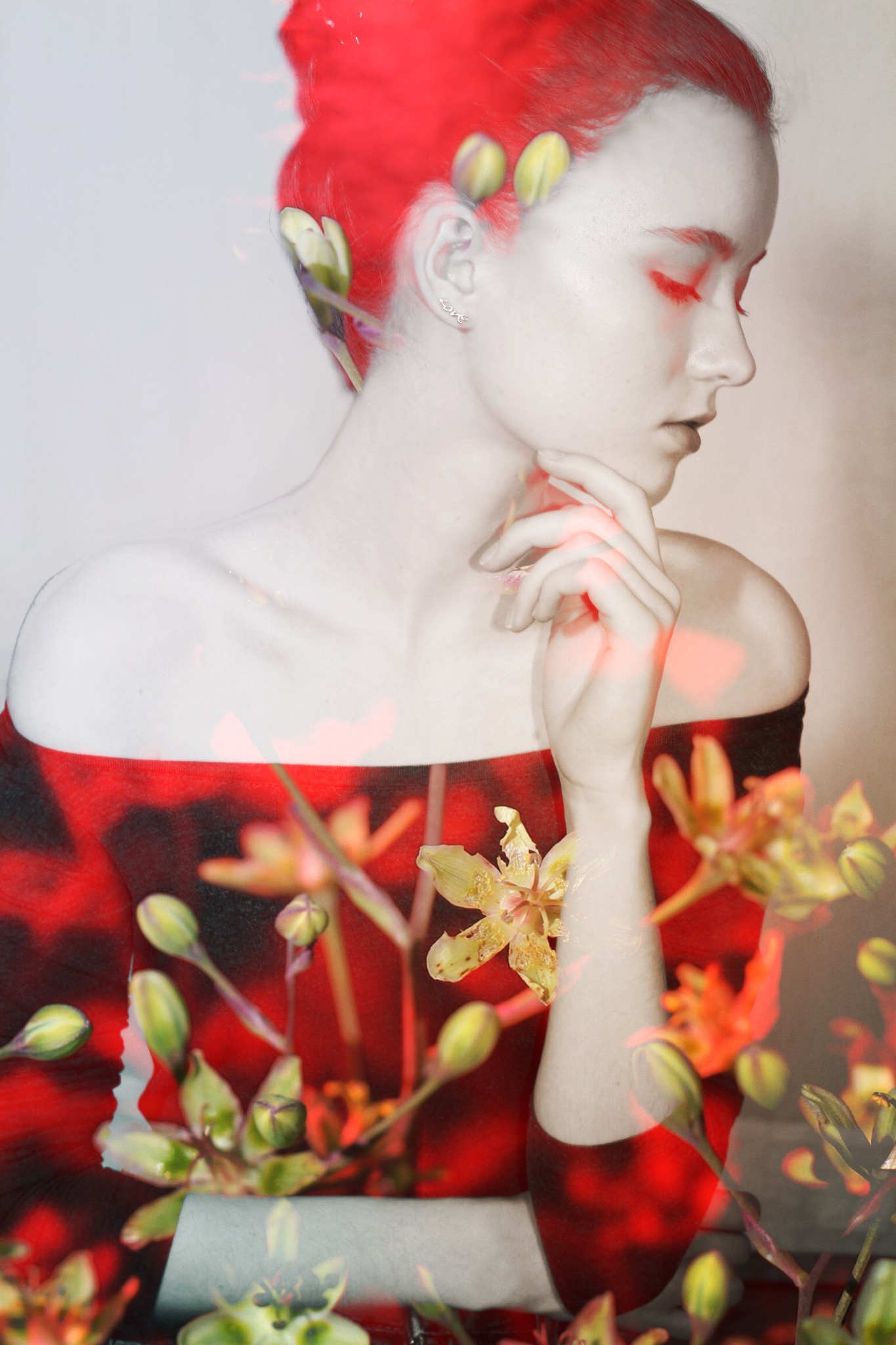
The pictures in my portfolio were made with models. Other people saw them and wanted me to photograph them in the same style. They were willing to pay for it. These portraits belong to the beginning of my professional life, when something I enjoyed making had become something another person could recognise and ask for.
There was a practical advantage to that recognisable style. A prospective client could look at a portrait of somebody else and imagine having a picture like it. The flowers helped make the offer clear. My own pleasure in them was part of what I was offering.
Reading Gogol’s The Portrait recently, I recognised something in his account of a painter learning how his clients wanted to appear. I could understand the business of making a person beautiful in a picture. My clients came because they liked what I was already doing, and I shared their enthusiasm.
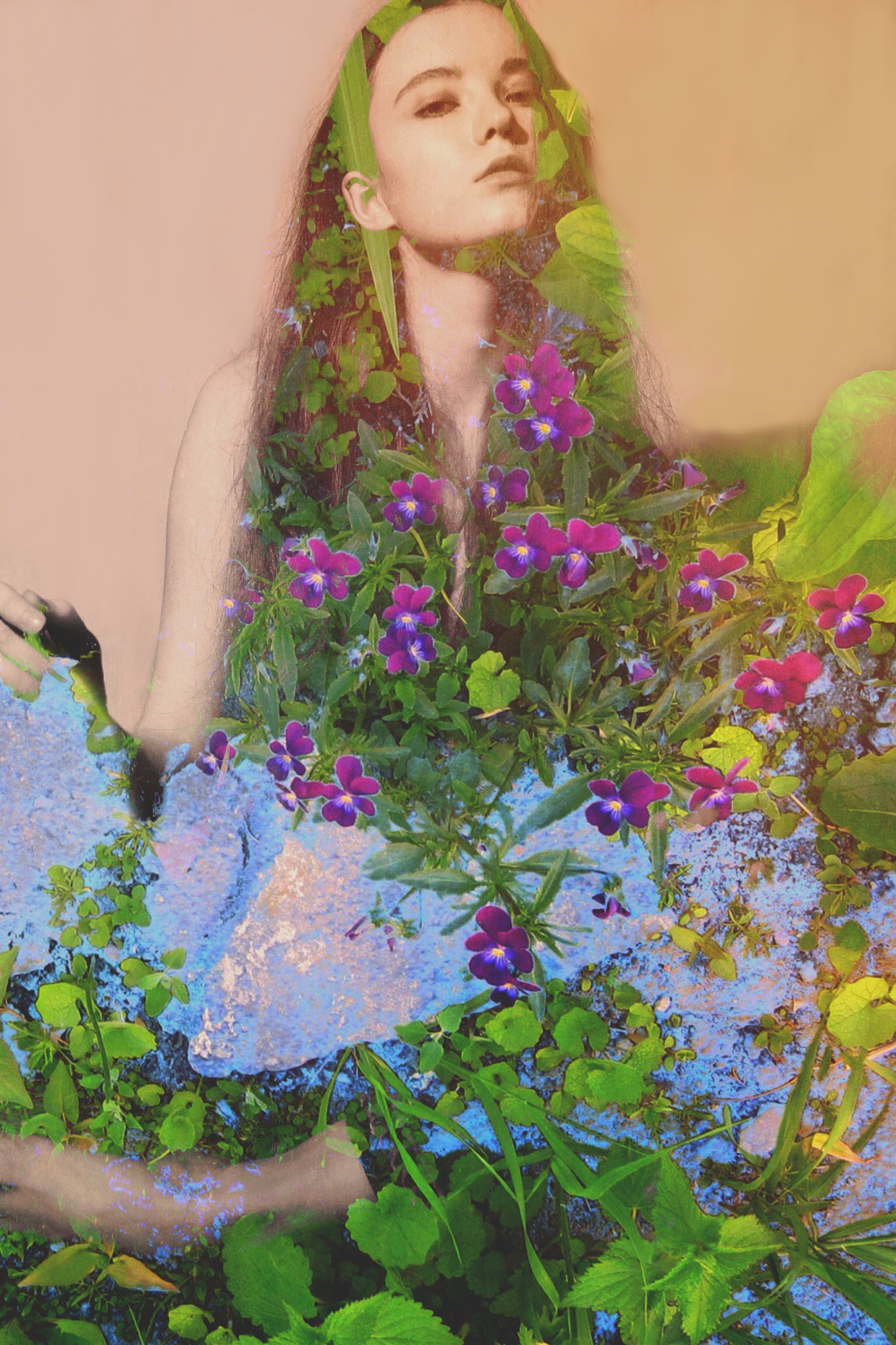
Among these portraits is a woman who worked professionally as a nude model. She came because she liked my flowers. I knew she worked nude, yet I felt awkward even suggesting that she take her top off. Once she did, I felt a responsibility I could hardly explain. I can describe it now as a complicated exchange, as though she were giving me more than I could offer in return.
The finished portraits are remarkably restrained. Hands, jewellery and flowers occupy much of the picture. Looking at them now, I recognise how cautious I was.
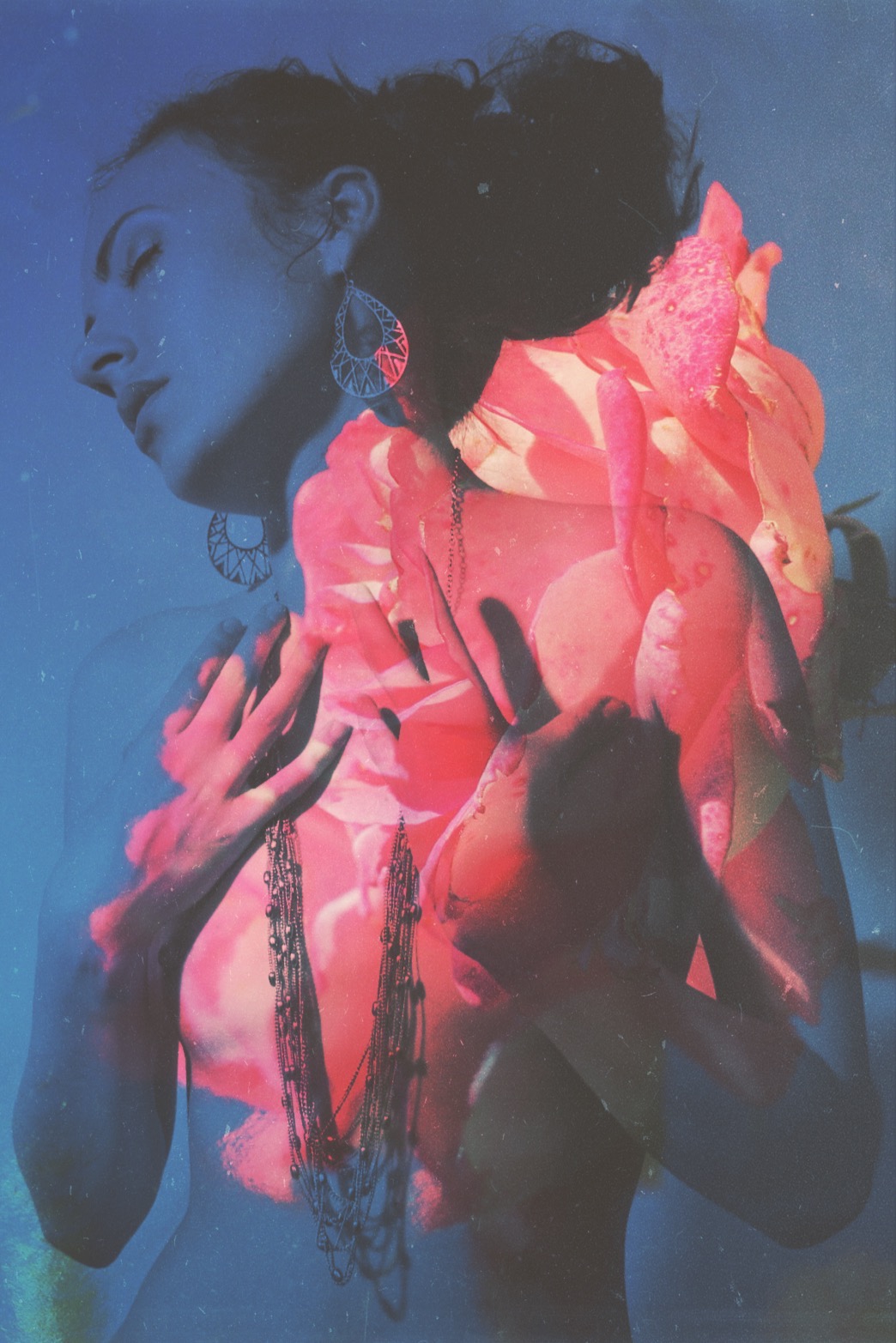
There is plenty here for me to smile at now, especially my confidence in the benefits of adding flowers. Looking through the portraits, I also notice how differently that simple idea could work. In one picture the face remains almost untouched while flowers spread across the body like clothing. In another, petals cover an eye and cross the cheek. I can follow the face for a moment, then find myself looking at the flower.
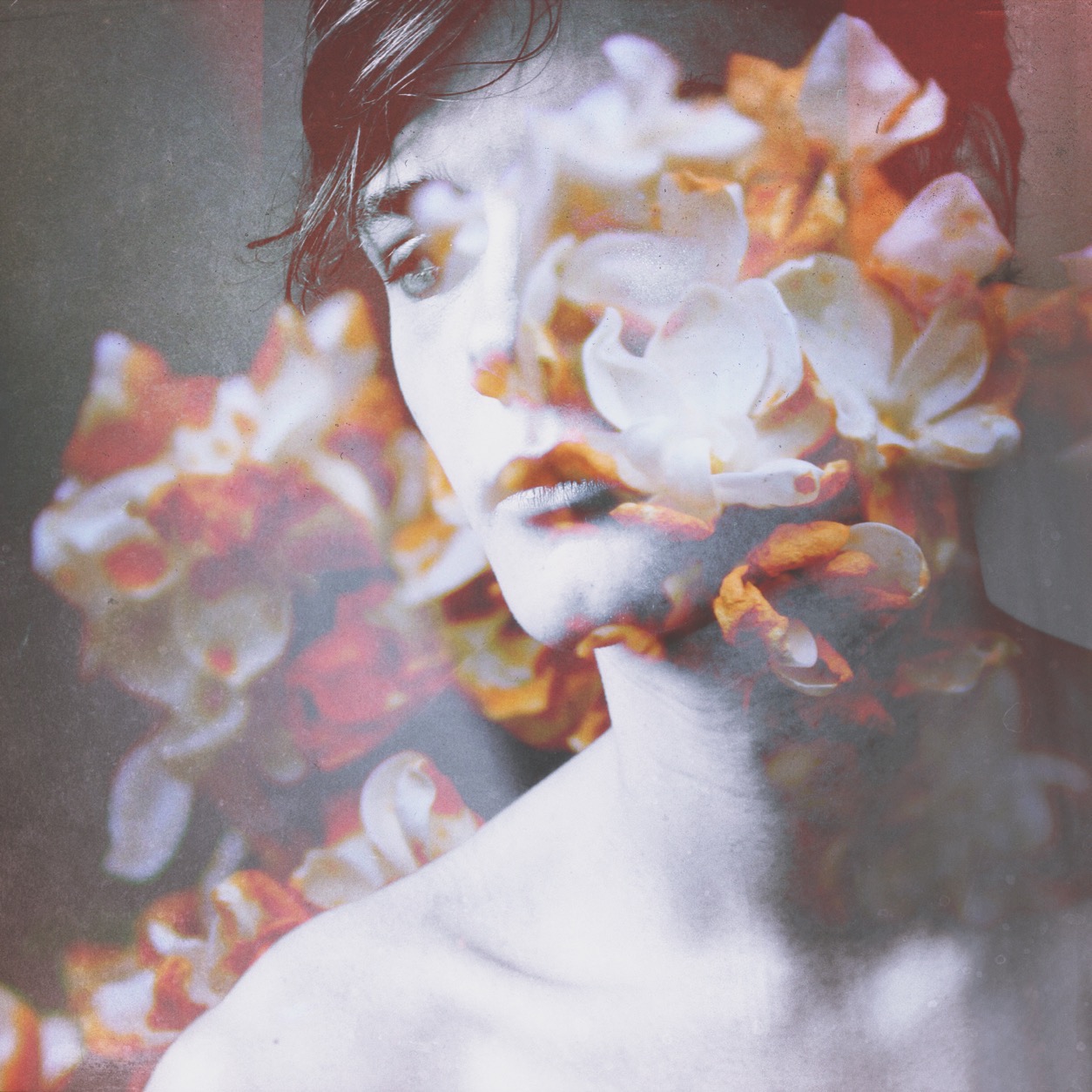
“Marina, I like your style,” people would say.
And I knew what to do.