Closeness and Possession
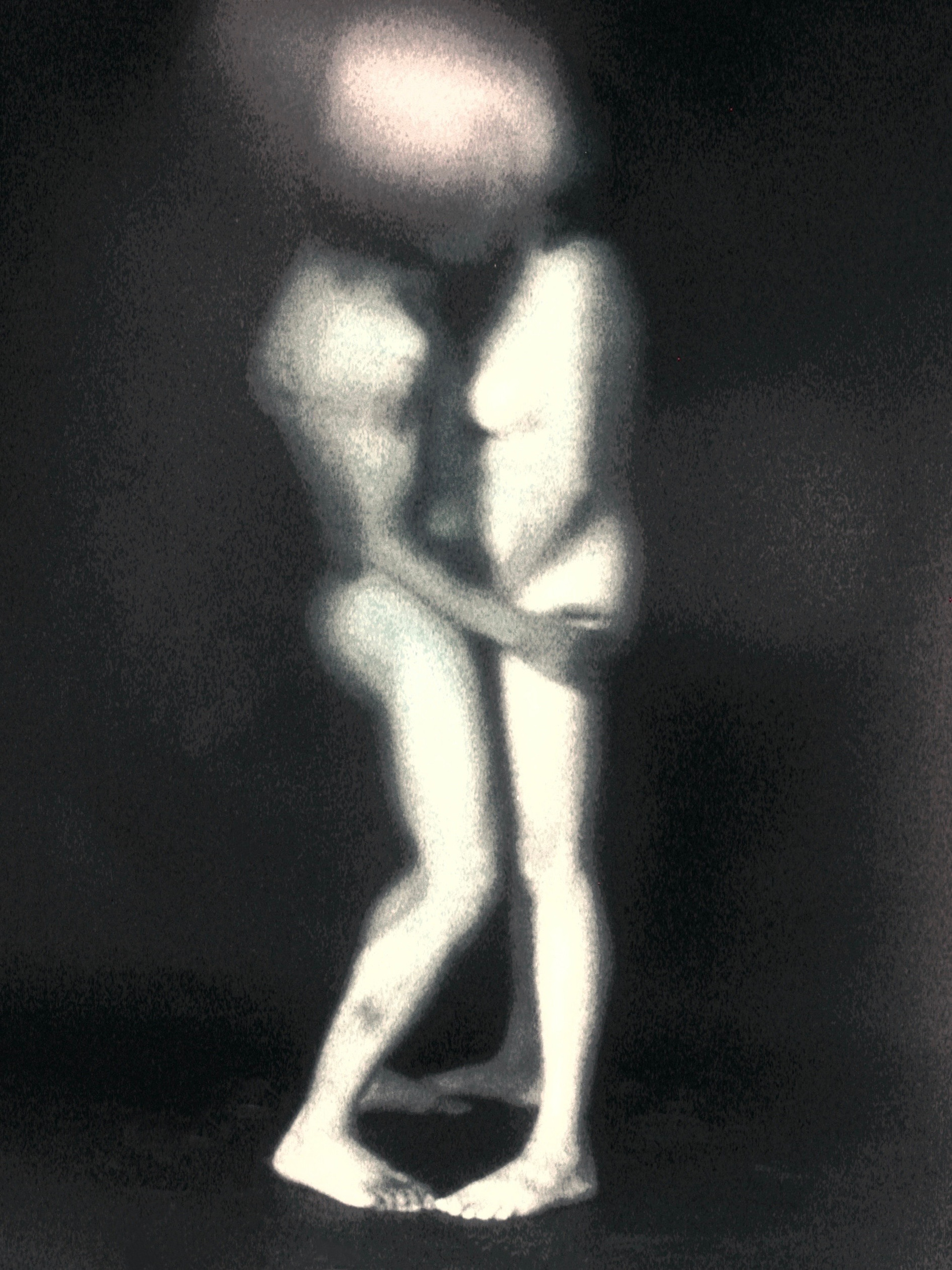
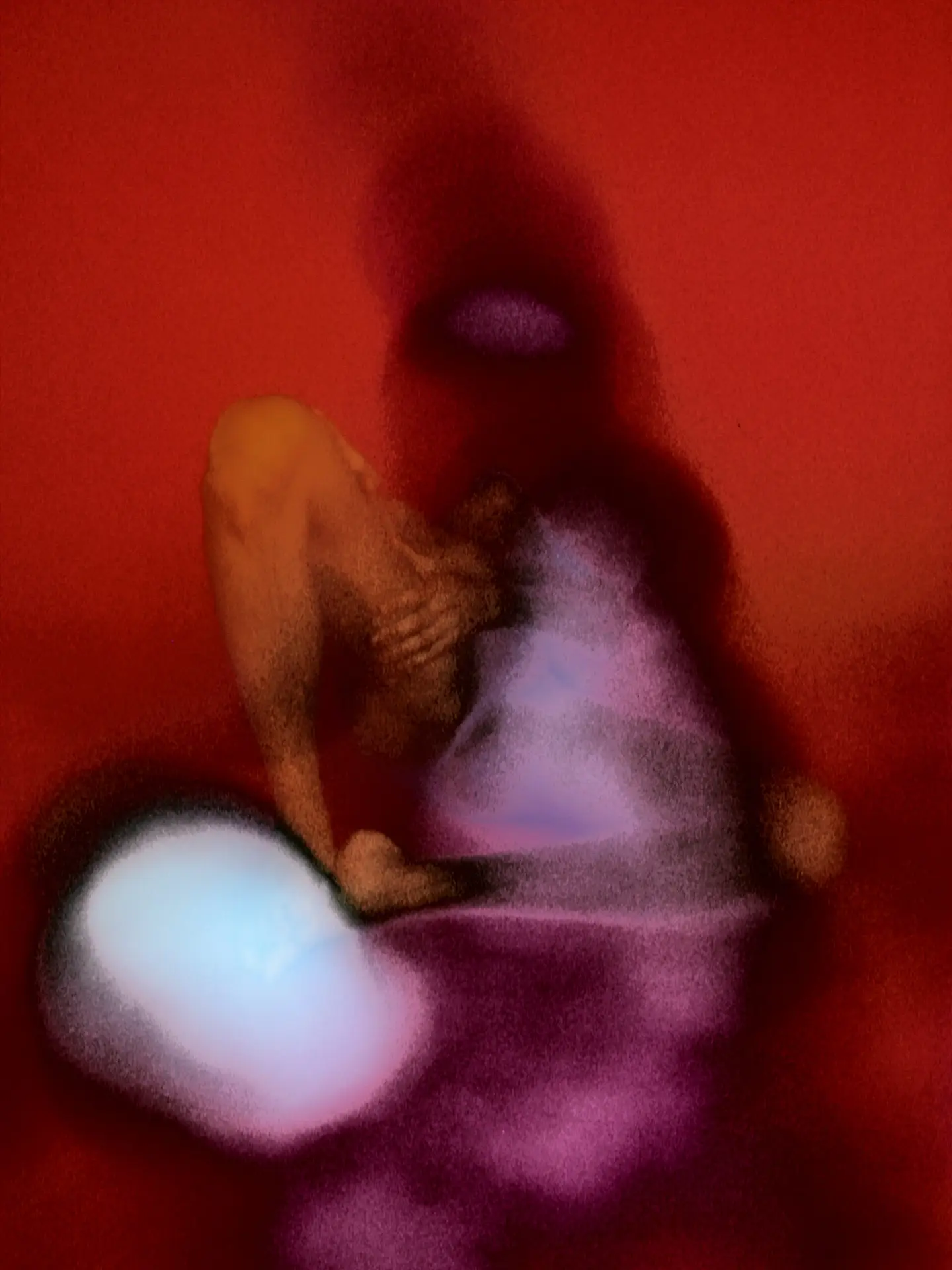
I wanted to show what it feels like when somebody is very, very close to you. So close that you can almost flow into them. Your skin, your breathing make you one thing, and often there’s no need for words. There is a liberation in that, a release from having to use logic or work things out.
I have experienced this many times. My mind is constantly assessing, criticising, trying to work out how things could be done more efficiently, getting frustrated and annoyed. I’m happy when I can switch all that off for a while. I can dream, feel, enjoy being close to somebody without having to formulate anything. Sometimes I feel so alive that, for a moment, death seems to recede.
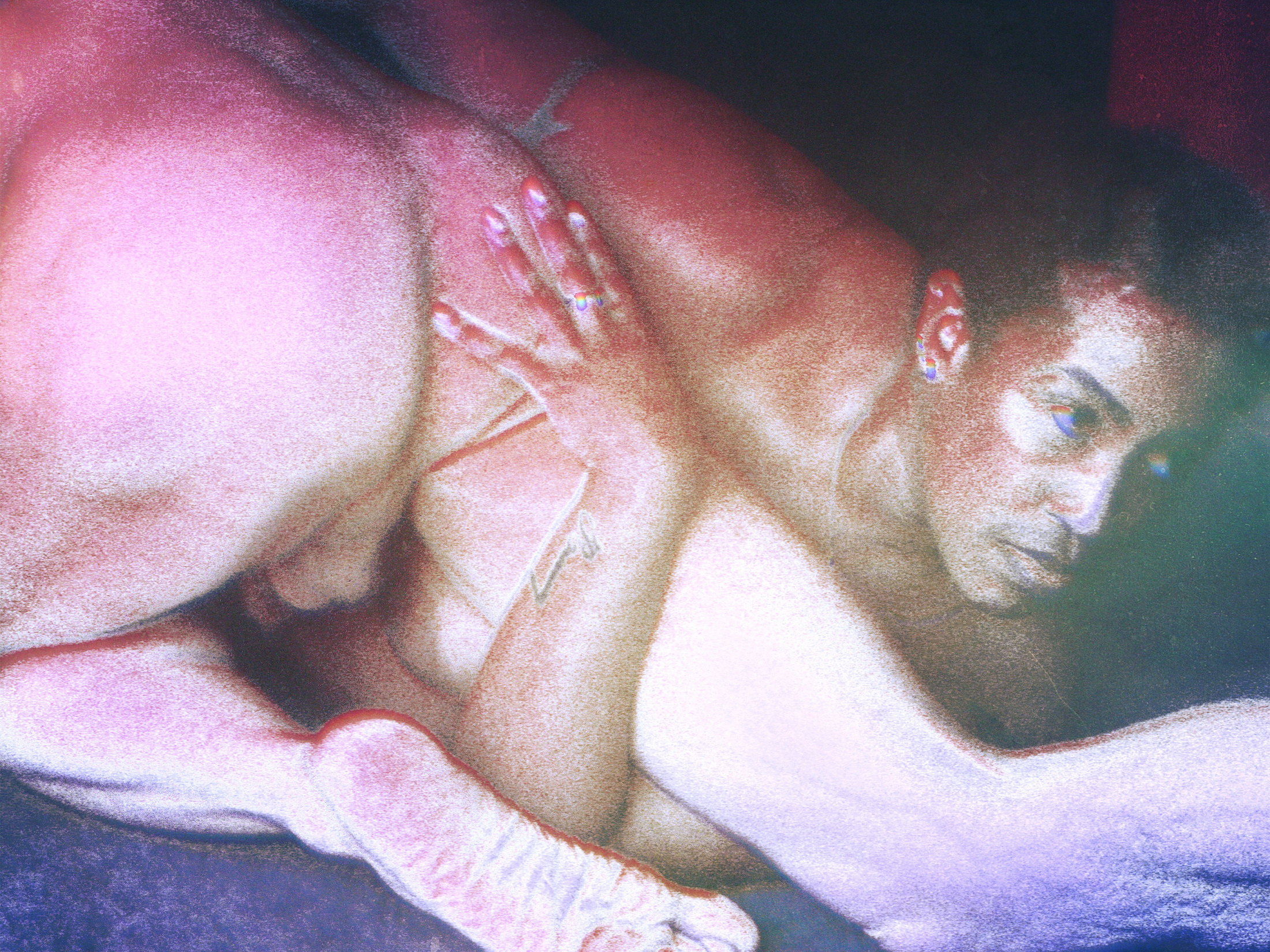
For me, this intensity depends on how much remains unknown. I connect it with Dim-Sightedness: what I cannot quite see or understand leaves room for imagination. I can build a beautiful, sensual world around somebody I know very little about.
It’s a little like listening to a song in a language you don’t understand. You love it without knowing a single word. There’s this feeling that you understand, although you don’t understand anything. What interests me is that unspoken part.
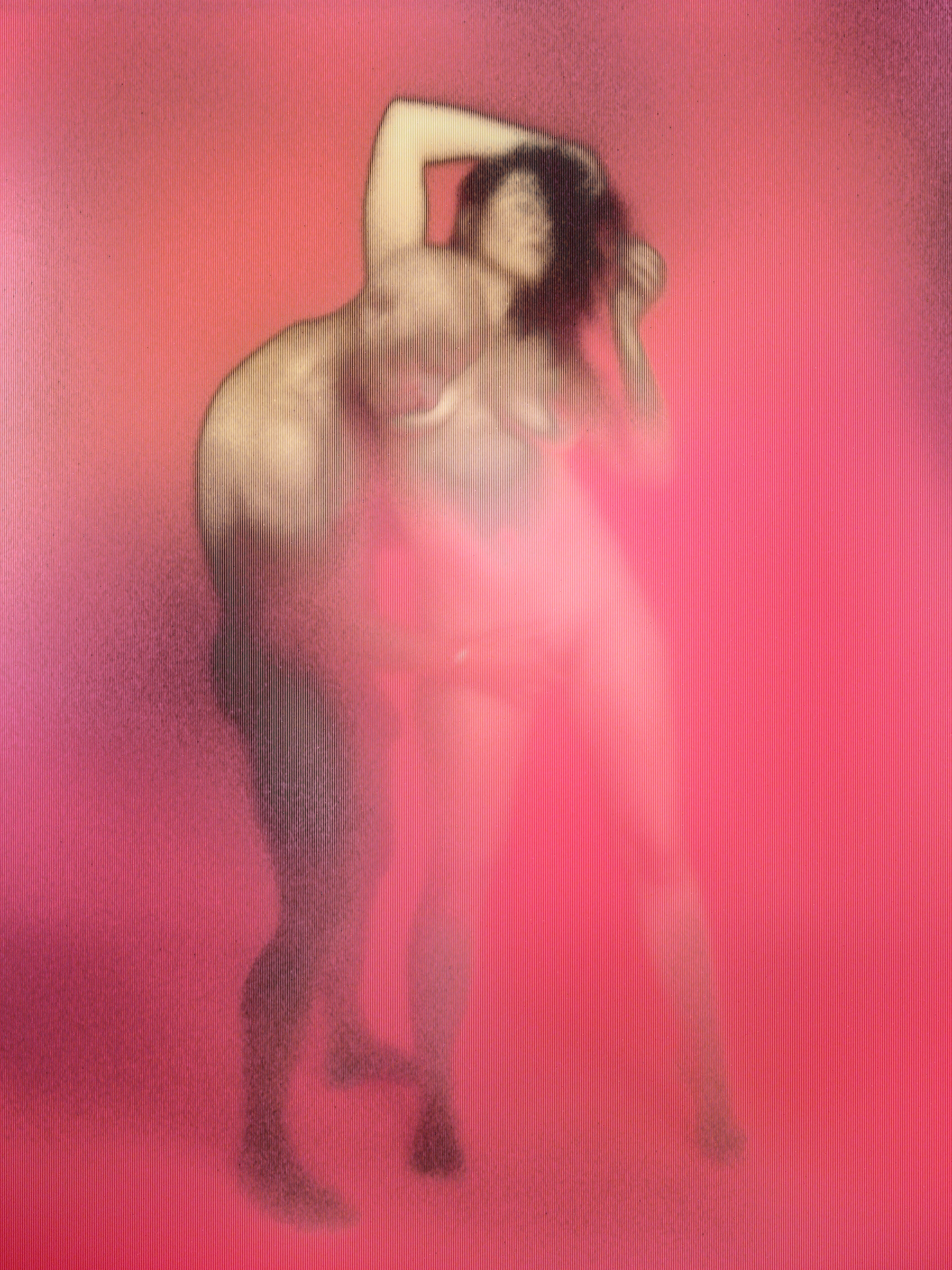
Possession is the darker side of this dream: wanting to make the person, and the feeling they give me, entirely mine. I imagine chasing an elusive dream with an enormous net, threatening it when it refuses to be caught. The attempt to secure that happiness becomes a source of unhappiness.

In Dostoevsky’s Notes from Underground, the narrator recalls a friend:
Once, indeed, I did have a friend. But I was already a tyrant at heart; I wanted to exercise unbounded sway over him; I tried to instil into him a contempt for his surroundings; I required of him a disdainful and complete break with those surroundings. I frightened him with my passionate affection; I reduced him to tears, to hysterics. He was a simple and devoted soul; but when he devoted himself to me entirely I began to hate him immediately and repulsed him—as though all I needed him for was to win a victory over him, to subjugate him and nothing else. But I could not subjugate all of them; my friend was not at all like them either, he was, in fact, a rare exception.
It matters to me that he is speaking about a friend. This desire to have somebody completely reaches beyond romantic love. I recognise the movement from enjoying closeness to wanting to hold it still, to prevent the other person from slipping beyond the world I have imagined around them.
Closeness and Possession is an ongoing project. It includes photographs made over several years, which I continue to revisit as my understanding of these relationships changes.
Quotation: Part II, chapter III, translated by Constance Garnett.