How to Be Seen Quickly
Digital collage / portrait photography / archive
c. 2016
How to Be Seen Quickly looks back at a group of digital collages made around 2016, when I left office work and decided to work as an artist and photographer.
The works came from portrait sessions, mobile editing, tablet-based collage, and the immediate pleasure of cutting, layering, decorating, and inserting one image into another. They also opened a question I could only name much later: what happens when a new artist uses the charge of already famous images to become visible faster?
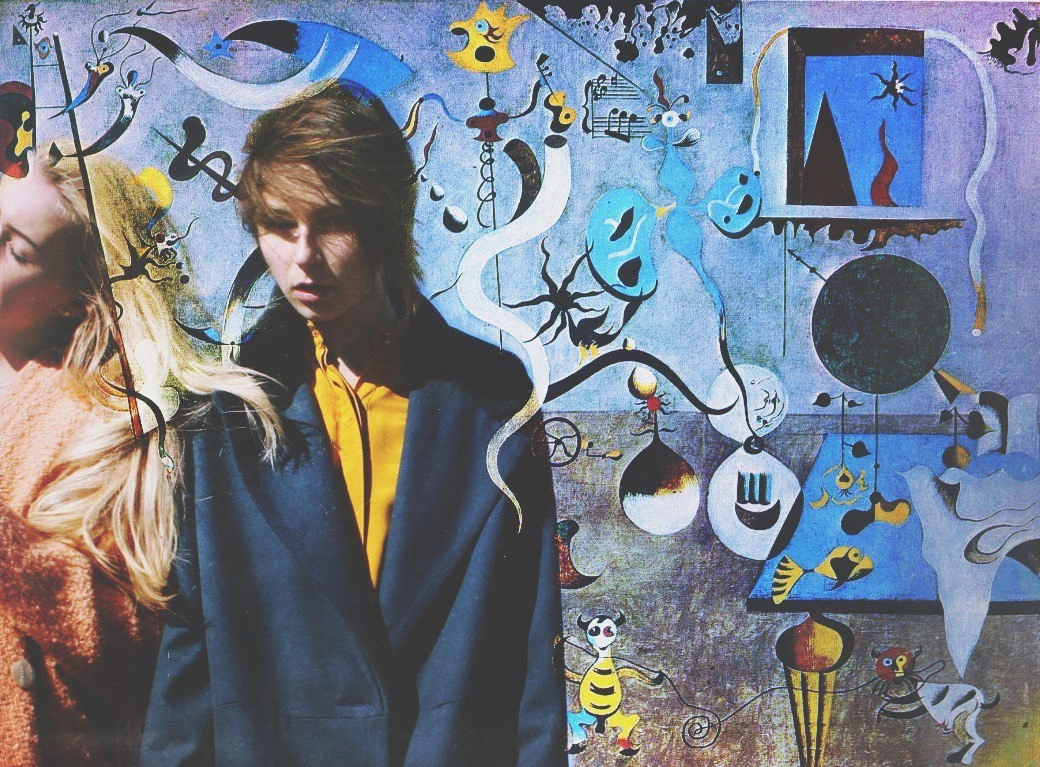
Digital collage with portrait photography and fragments after Joan Miró’s Carnaval d’Arlequin (Carnival of Harlequin), 1924–1925.
Beginning
By 2016, I had already been making photographs for years. After leaving my office job, I decided to treat photography and art as my work: to organise portrait sessions, find clients, publish regularly, and build an audience.
This early practice worked as permission: to make things quickly, to follow visual appetite, and to trust the feeling that an image could be assembled before it was fully understood.
The process was tactile and direct. I cut fragments by hand on a screen, placed them over bodies and faces, and let borrowed images change the portrait from inside the editing process.
Recognition
I understood social media, promotion, online communities, and the practical mechanics of attention. I had much less experience of the art market or the conceptual language through which artists explained their work.
I understood that a young photographer could build a small audience by shooting often, sharing often, and offering people images they wanted to circulate.
These collages grew inside that situation. They used fragments of already recognisable art: Frida Kahlo, Gustav Klimt, Kandinsky, Modigliani, Miró, Basquiat, Japanese prints, and other sources. These images arrived with their own public energy. They were already loved, already reproduced, already able to attract a response.
Borrowed intensity
The question that interests me now is simple and uncomfortable: what happens when an emerging artist borrows the charisma of famous images in order to be seen more quickly?
In 2016, language had not yet caught up with the tension. I was following speed, pleasure, response, and the addictive clarity of a visible reaction. The works were experiments, promotional images, client portraits, acts of appropriation, and early attempts to build a visual world from existing intensity.
The freedom was real. I allowed myself to work from touch, appetite, accident, and the tools I had available. The dependency was real too. Some images were powerful because of what I did to them. Others carried someone else’s authority, someone else’s mythology, someone else’s already established value.
Archive
This archive is a record of that early negotiation: between play and strategy, invention and quotation, the pleasure of making images and the wish to be noticed for making them.
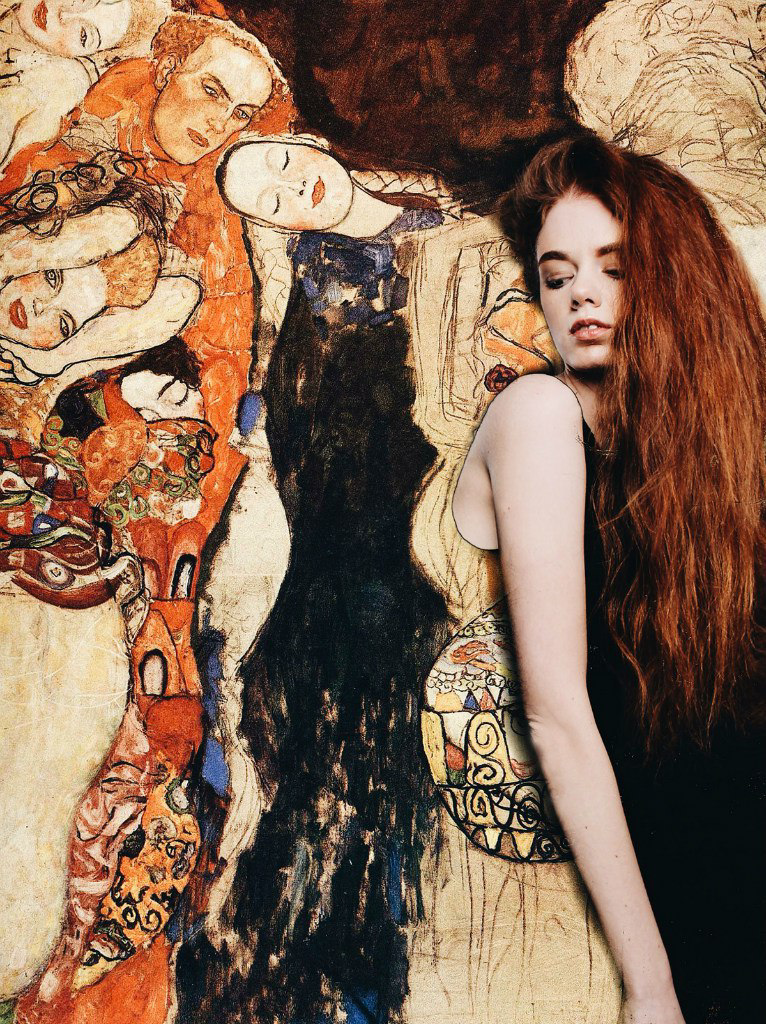
Digital collage with portrait photography and fragments after Gustav Klimt, including The Bride, 1917–18, unfinished, and Beethoven Frieze: The Hostile Powers, 1902.
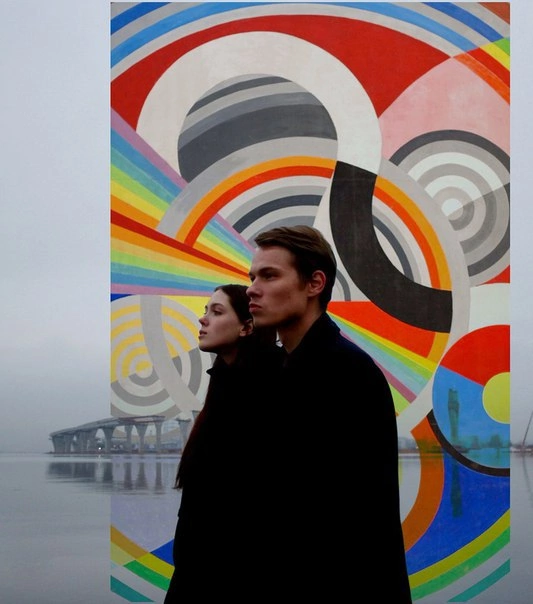
Digital collage with portrait photography and fragments after Sonia Delaunay, Rythme, 1938.
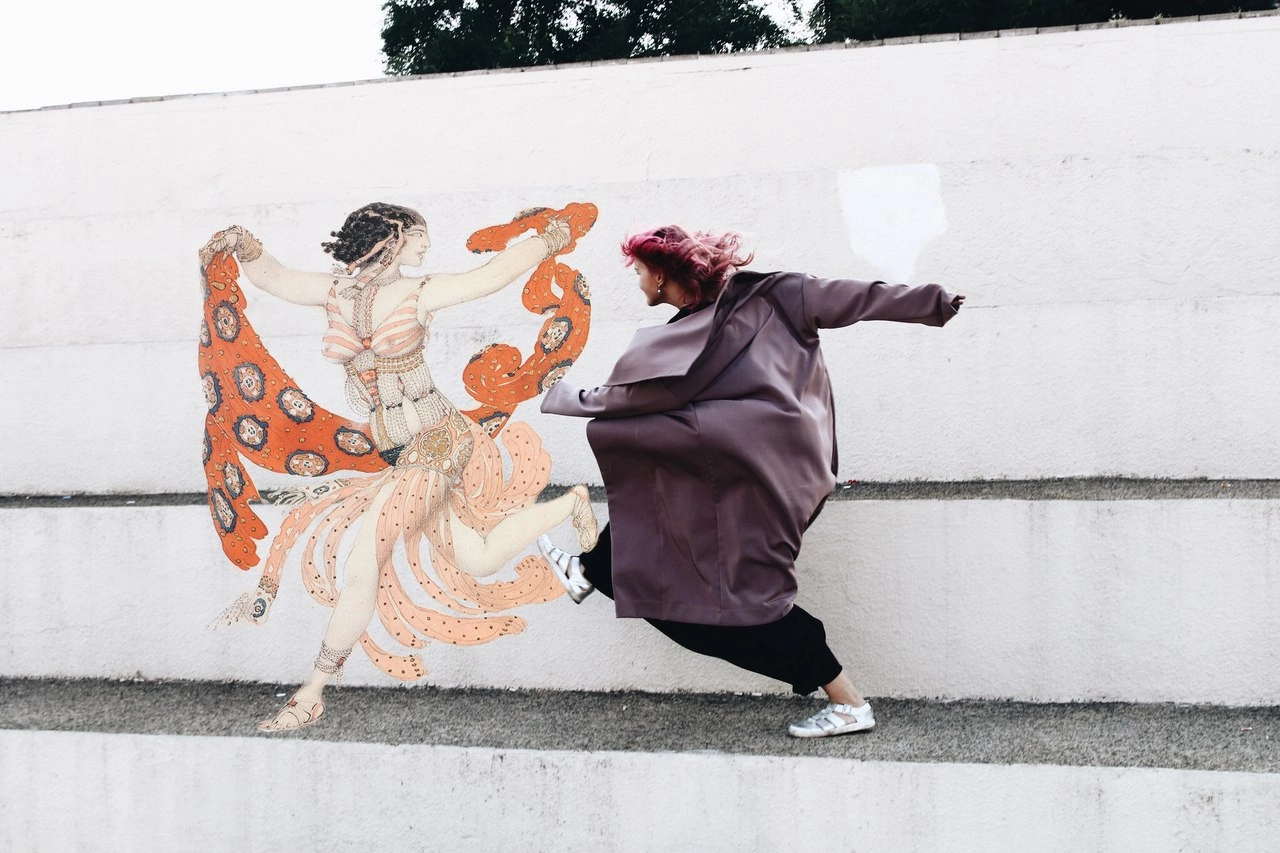
Digital collage with portrait photography and fragments after Léon Bakst, Costume for a Bacchante in Narcisse, 1911, published on the cover of the Ballets Russes Paris season programme, 1911.
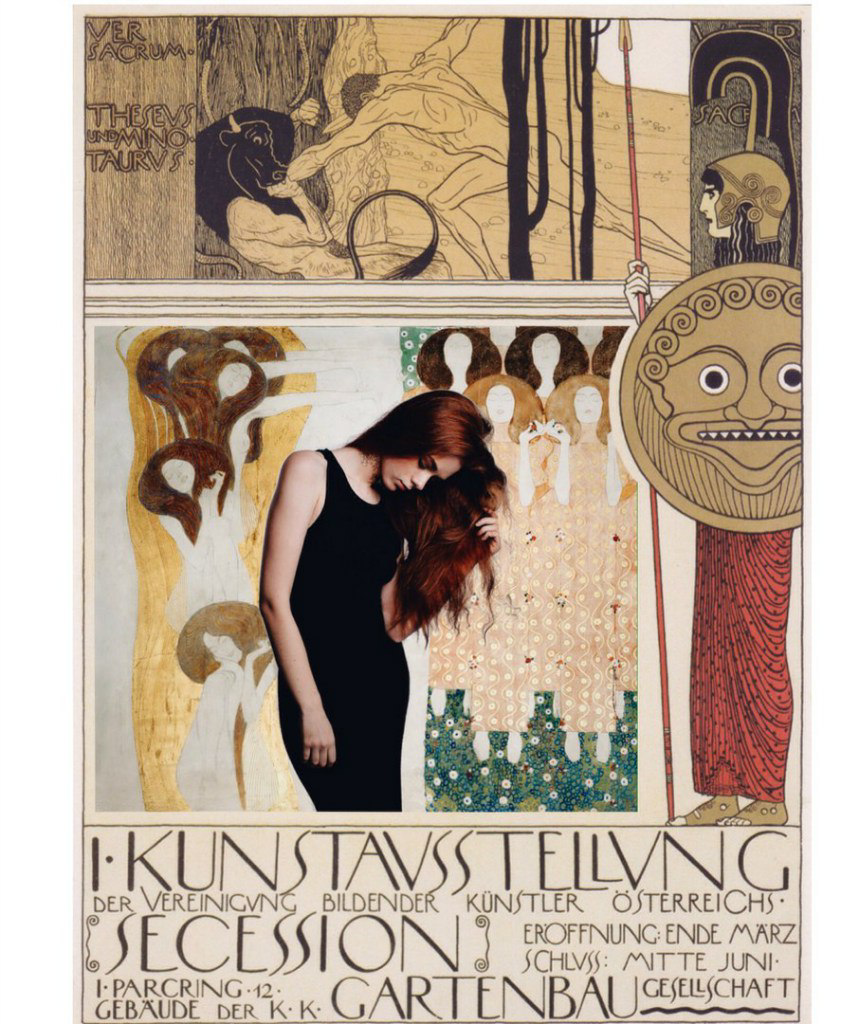
Digital collage with portrait photography and fragments after Gustav Klimt, including Poster for the First Secession Exhibition, 1898.
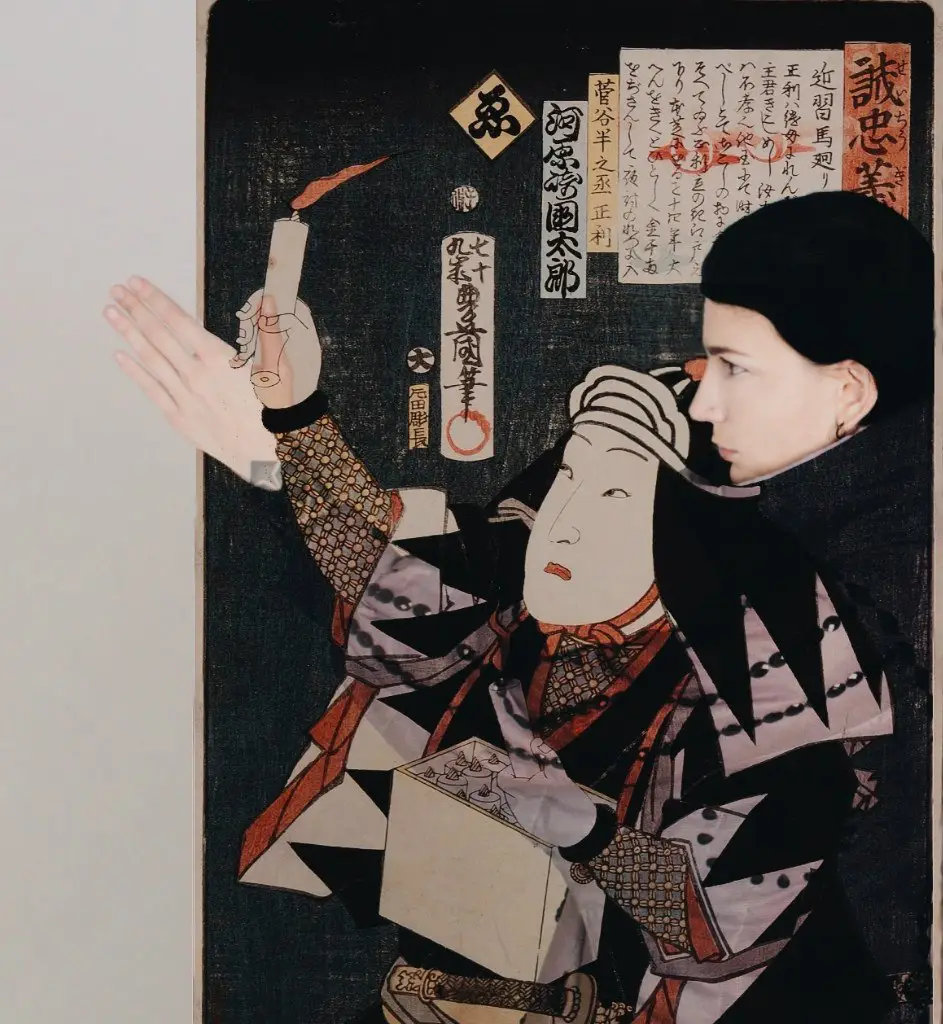
Digital collage with portrait photography and fragments after Utagawa Kunisada / Toyokuni III, Seichū gishiden: Ha, Ōtaka Gengo Tadao, Kawarazaki Gonjūrō, 1864.
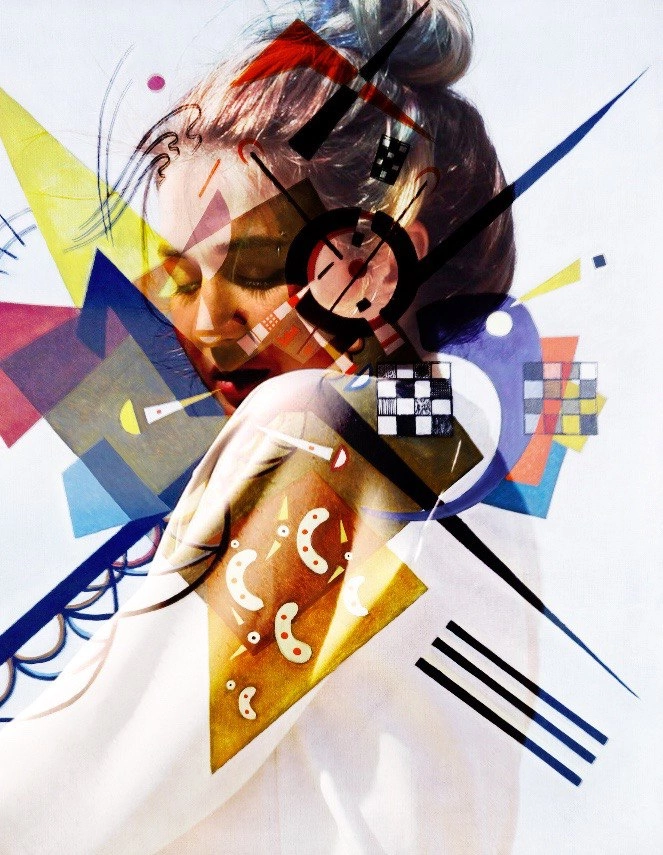
Digital collage with portrait photography and fragments after Wassily Kandinsky, Yellow-Red-Blue / Jaune-Rouge-Bleu, 1925.
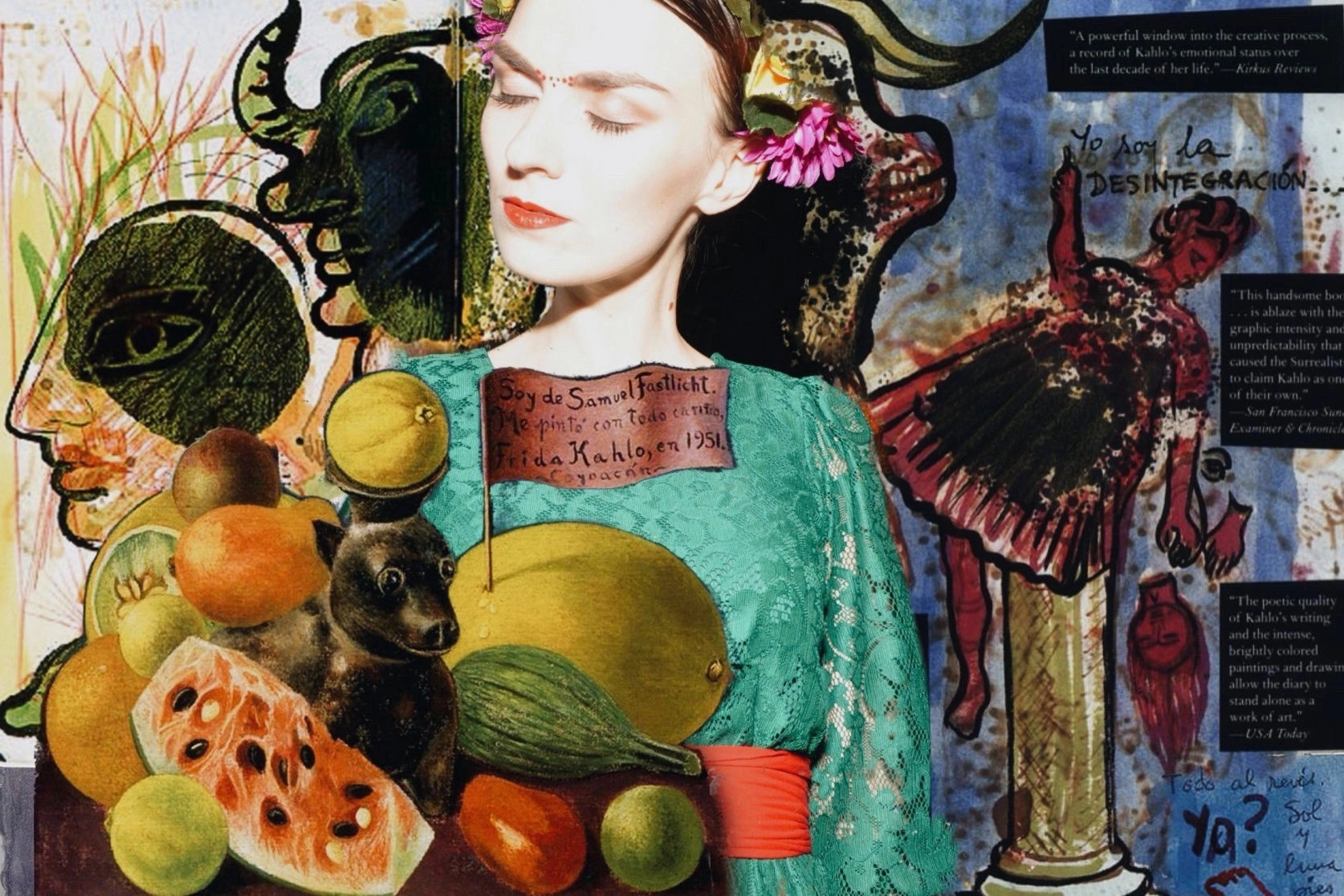
Digital collage with portrait photography, fragments after Frida Kahlo’s Still Life (I Belong to Samuel Fastlicht), 1951, and material from The Diary of Frida Kahlo, c. 1944–1954.
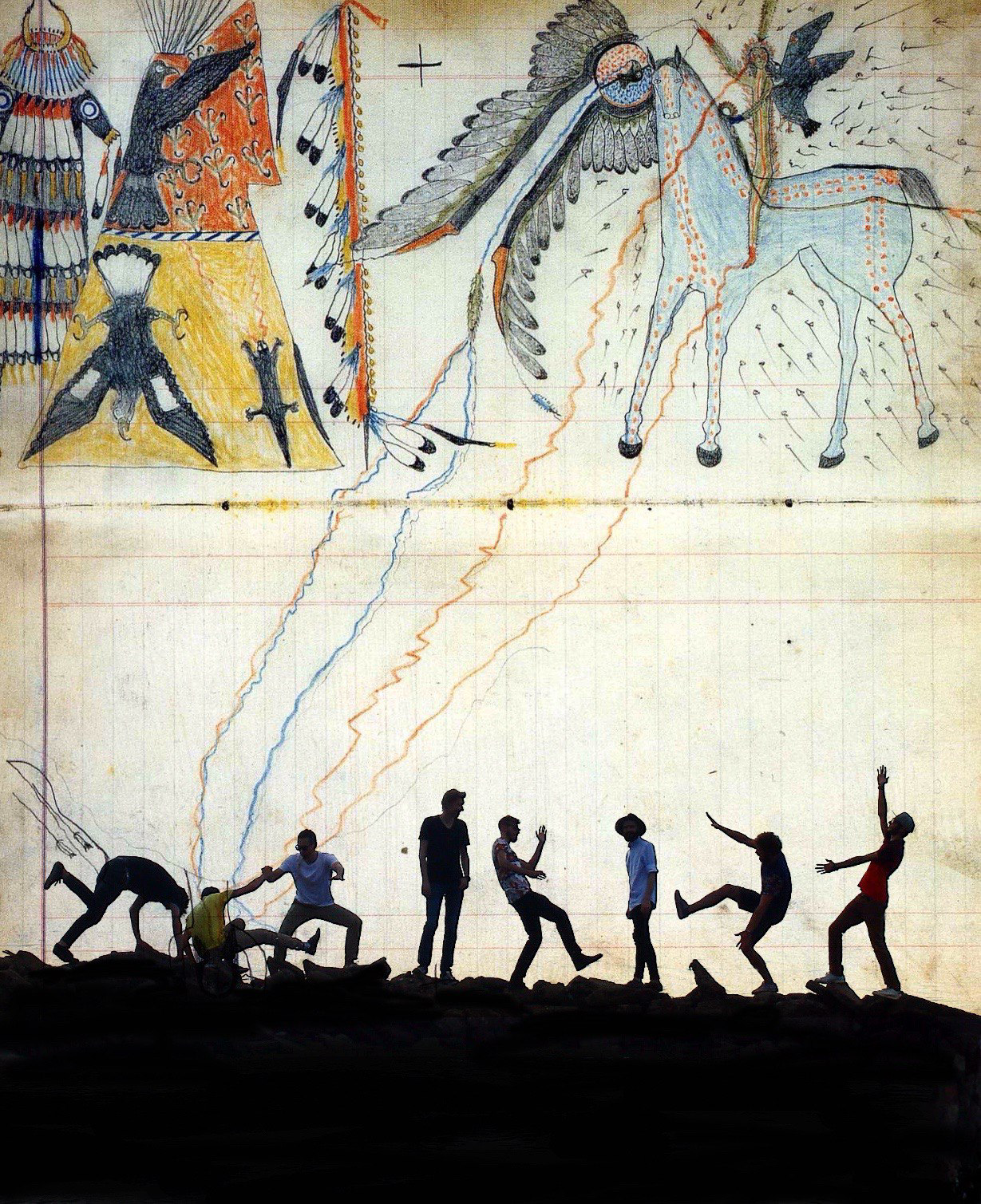
Digital collage with portrait photography and fragments after Henderson Ledger Artist B, A Warrior’s Vision, Southern Arapaho, c. 1880.
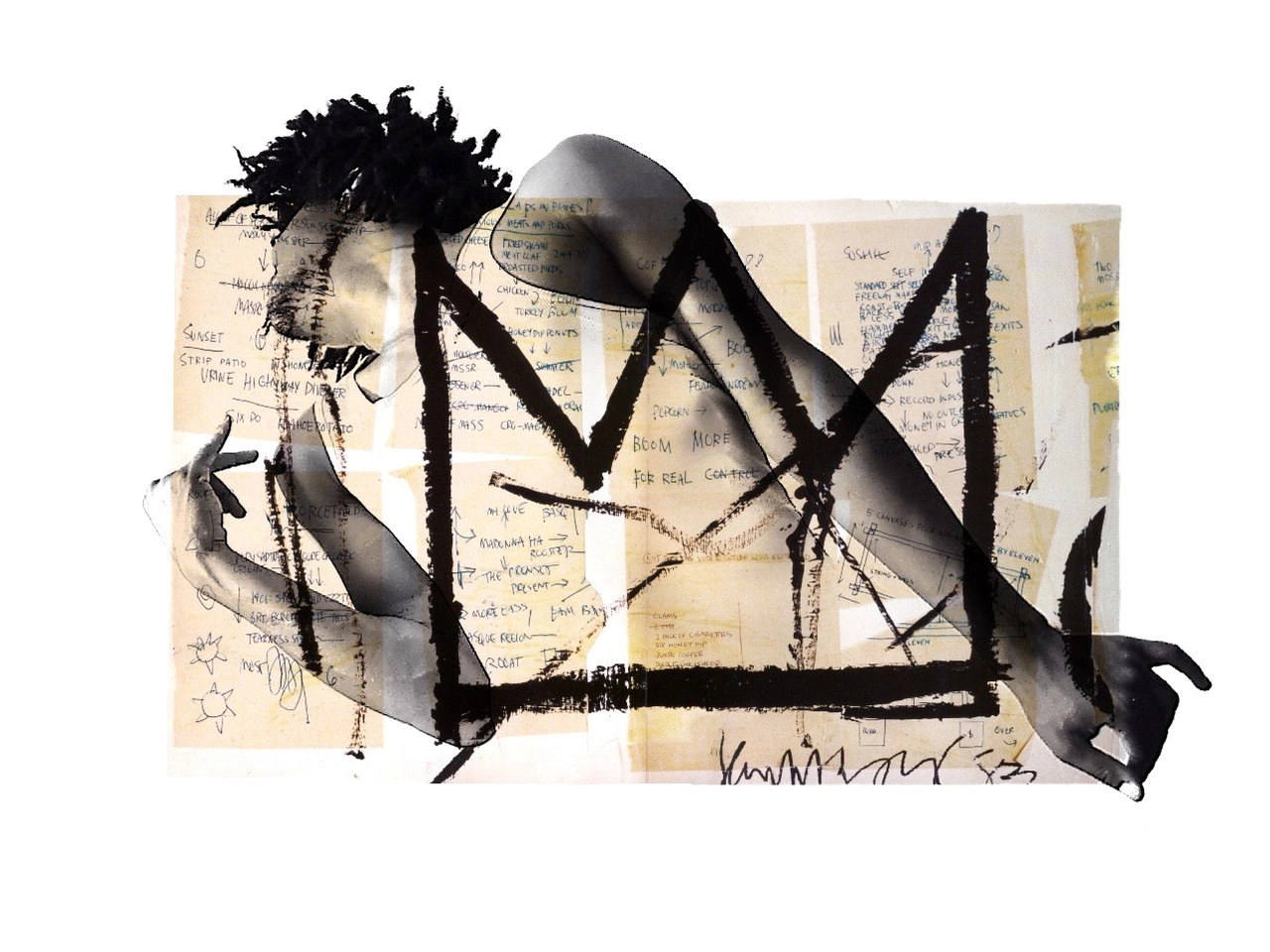
Digital collage with portrait photography and fragments after Jean-Michel Basquiat’s Untitled (Crown), 1982.
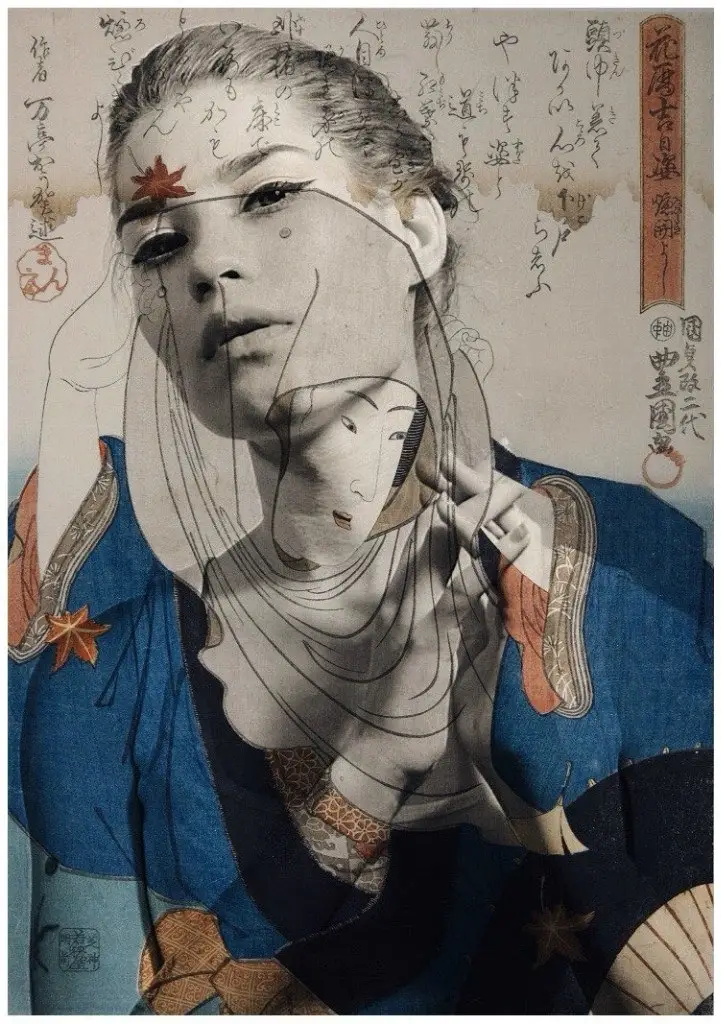
Digital collage with portrait photography and a fragment after Utagawa Kunisada / Toyokuni III, probably from the Kachō Yojō Azuma Genji series, c. 1837.
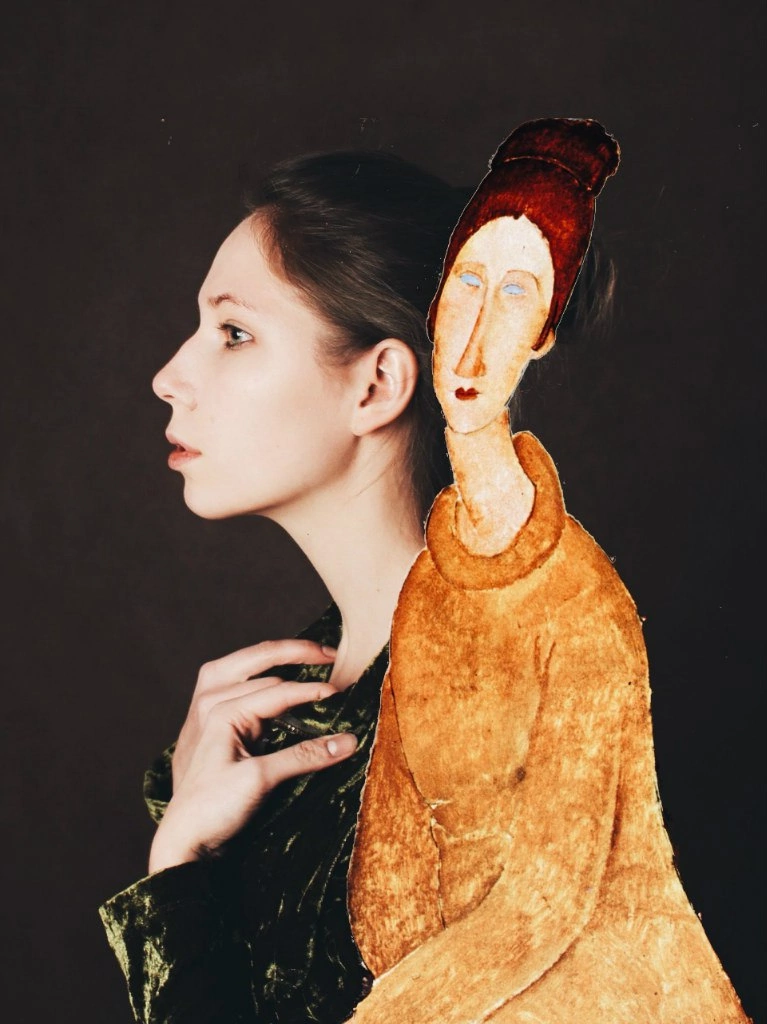
Digital collage with portrait photography and a fragment after Amedeo Modigliani’s Jeanne Hébuterne with a Yellow Sweater / Woman in Sweater, 1919.